
An undercut bob works because it’s two haircuts in one. Wear it down and it looks clean, structured, entirely normal. Tie it up or tuck it behind an ear and suddenly there’s a shaved section, a pattern, or a color block underneath. Stylists love this cut for exactly that reason, it gives clients an edgy option they can dial up or down depending on the day, without committing to a fully shaved head.
Hidden Nape Undercut Bob
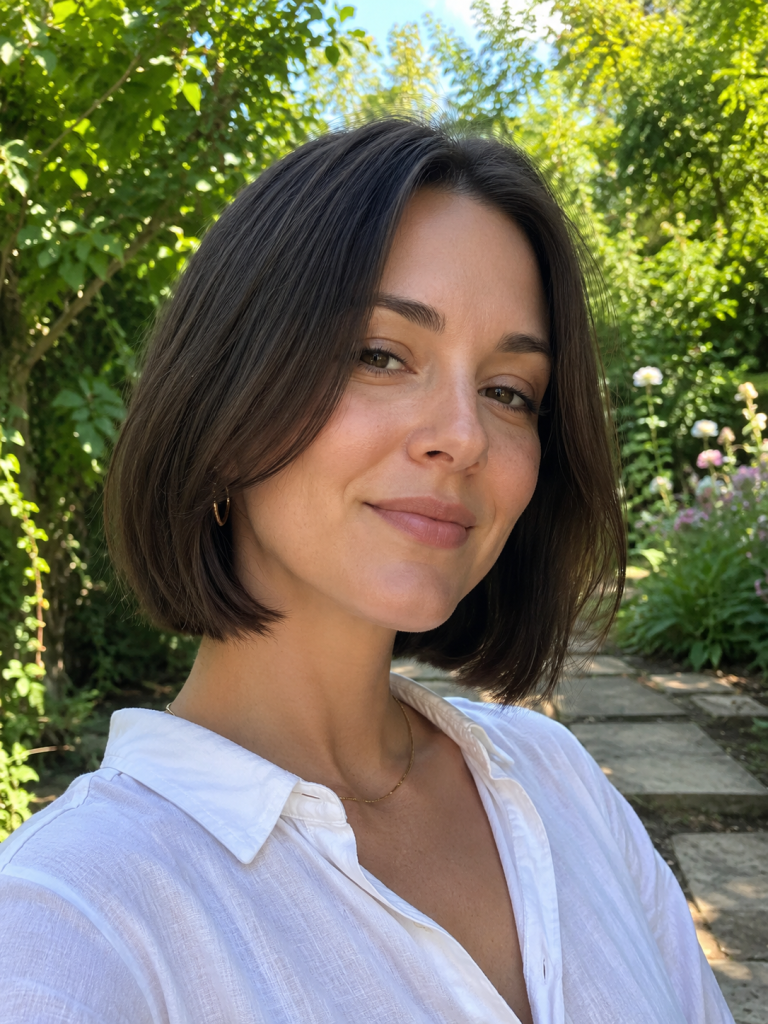
Shave only the lower nape, the part that sits underneath the rest of the hair. Nobody sees it unless you tuck the hair up or pull it into a low ponytail. Ask your stylist to keep the buzzed section short but not scalp-close, so it grows in evenly. This version is ideal for workplaces with dress codes, since it stays completely invisible during a normal day.
Bold Side-Shaved Bob
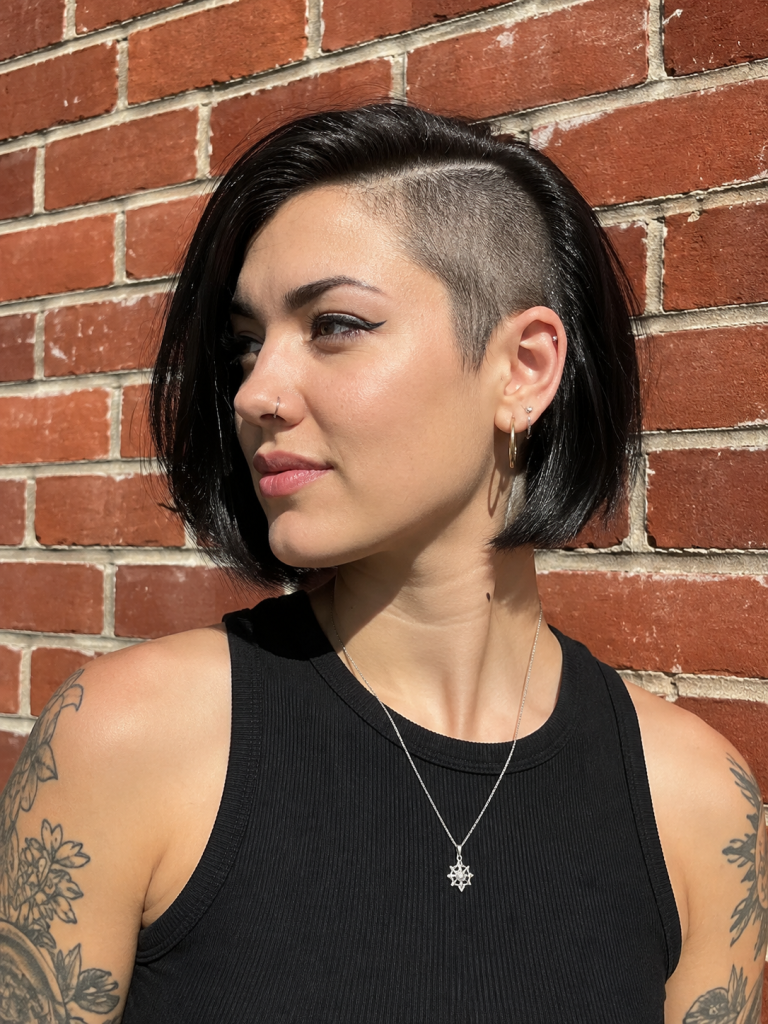
One side gets buzzed down close to the scalp while the rest of the bob stays full length, creating serious contrast. A slightly longer top section can be swept over to soften the transition, or left sharp for maximum edge. This works best on hair that already has some natural body, since flat, thin strands can make the shaved side look disproportionate.
Disconnected Undercut Bob
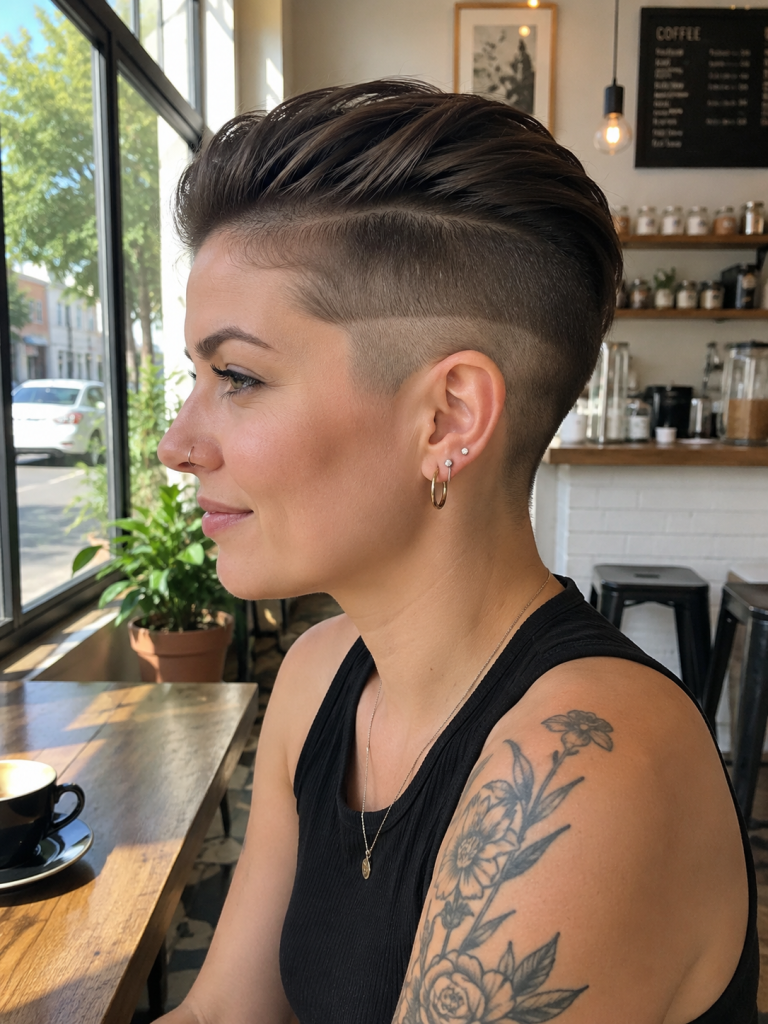
The top length and the undercut don’t blend at all here, there’s a hard, visible line between them instead of a gradual taper. It reads more graphic and modern than a softly blended cut. Ask specifically for a disconnected technique, since a lot of stylists default to blending unless you request the sharper separation.
Graduated Bob with Buzzed Nape
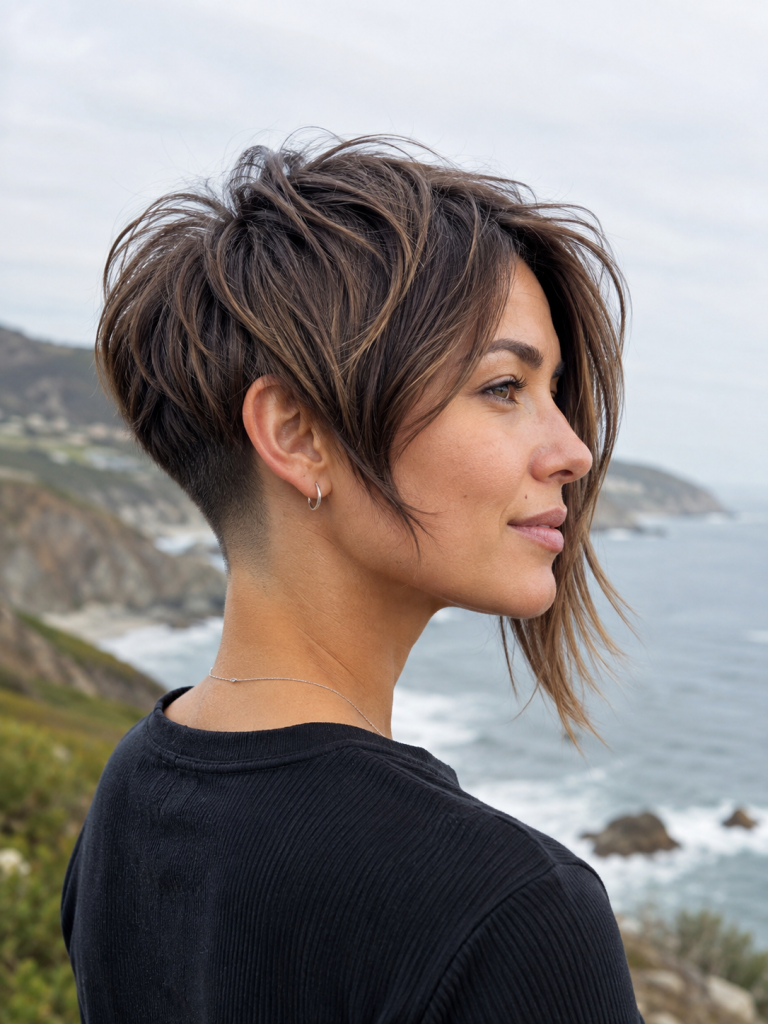
Layers build gradually from shorter at the nape to longer toward the front, and the buzzed section sits right where the graduation begins. It removes bulk that makes classic bobs look heavy at the back. Fine hair actually benefits here, the buzzed nape lightens the overall weight and helps the top layers hold shape longer between washes.
Peek-a-Boo Shaved Design Bob
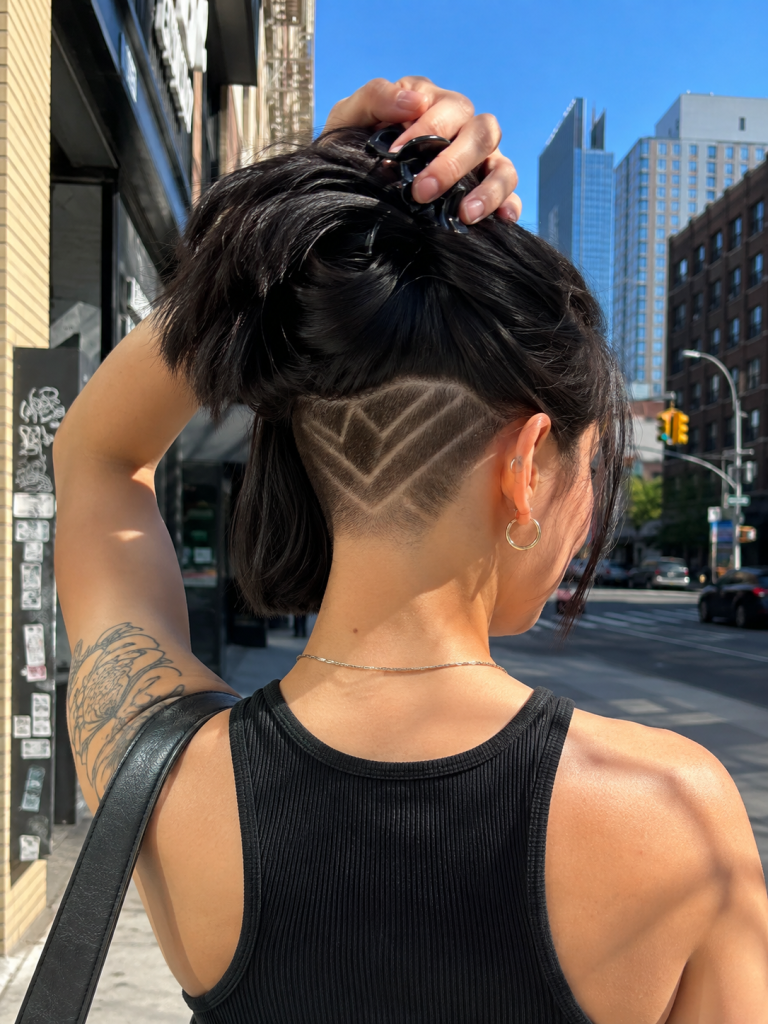
A geometric pattern, a few clean lines, even a small symbol gets shaved into the nape underneath the top layer. Style hair down for a completely normal bob, or clip it up to reveal the design for something more playful. This one takes real precision from whoever’s holding the clippers, so book with a stylist who has design experience specifically.
Color-Contrast Undercut Bob
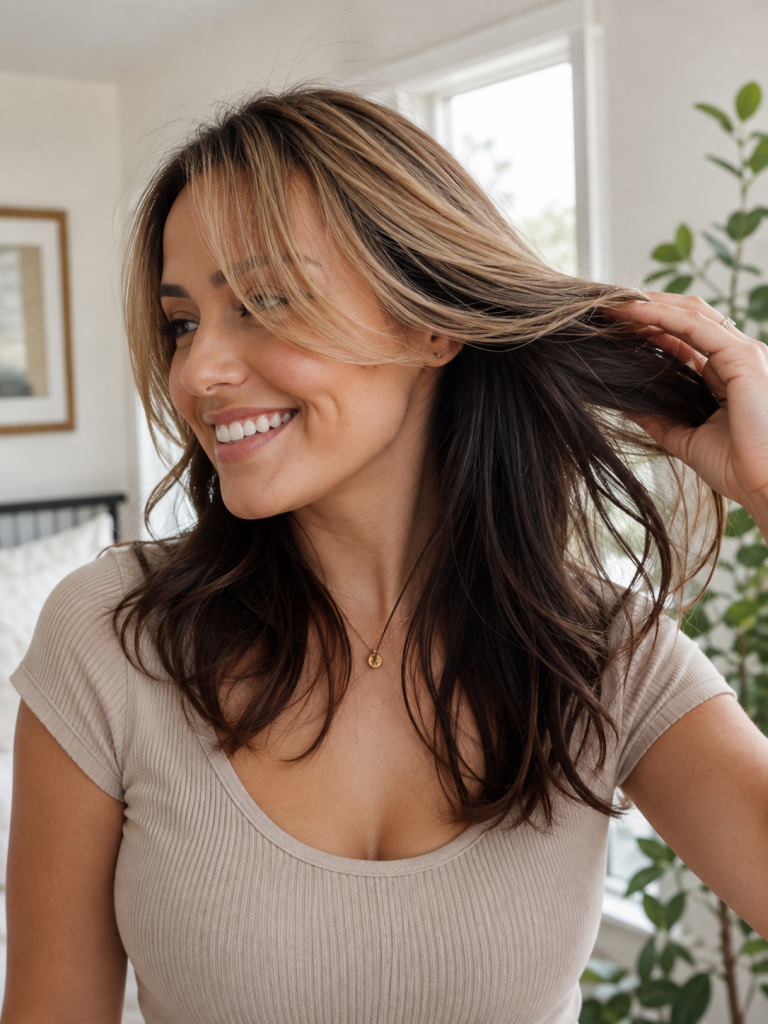
A darker underlayer beneath noticeably lighter strands on top turns the undercut itself into a color statement, not just a texture one. Ask your colorist about a semi-permanent gloss for the underlayer if you want low commitment, since it fades out gently instead of leaving a harsh regrowth line. Movement reveals the contrast every time hair shifts.
Layered Undercut Bob
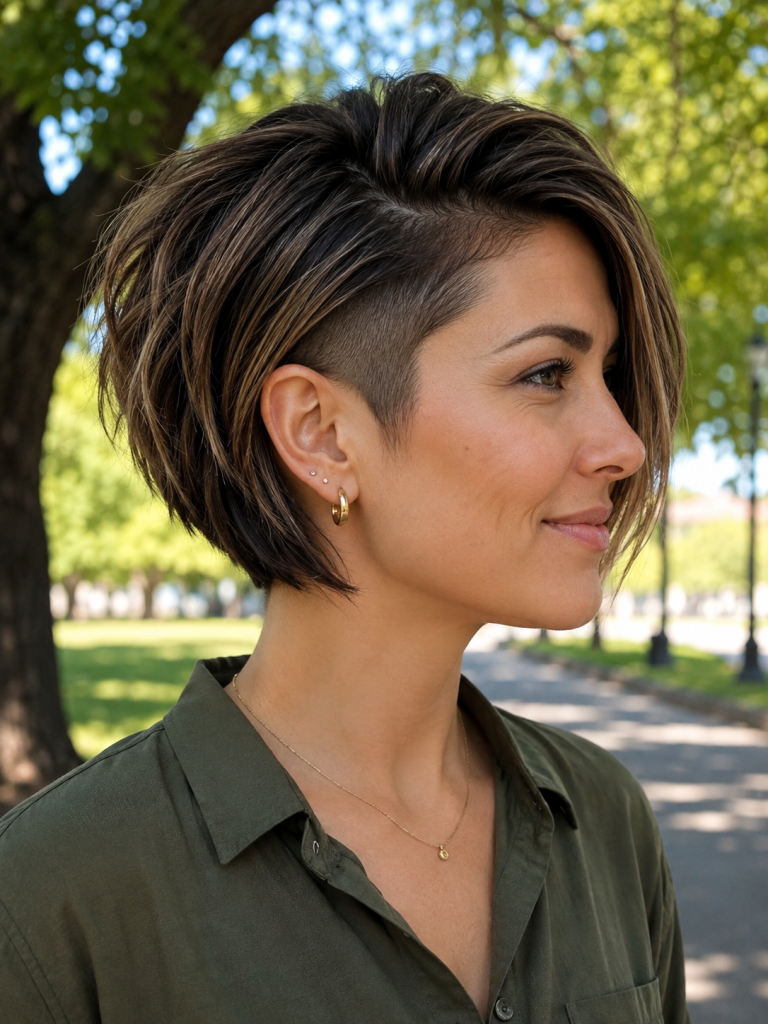
Multiple layers add lift and dimension on top while the undercut removes weight underneath, so the whole shape stays light instead of blocky. This combination flatters round and square face shapes especially well, since the layered movement softens strong jaw or cheek angles. Ask for texturizing at the ends to keep the layers from looking too uniform.
Asymmetric Undercut Bob
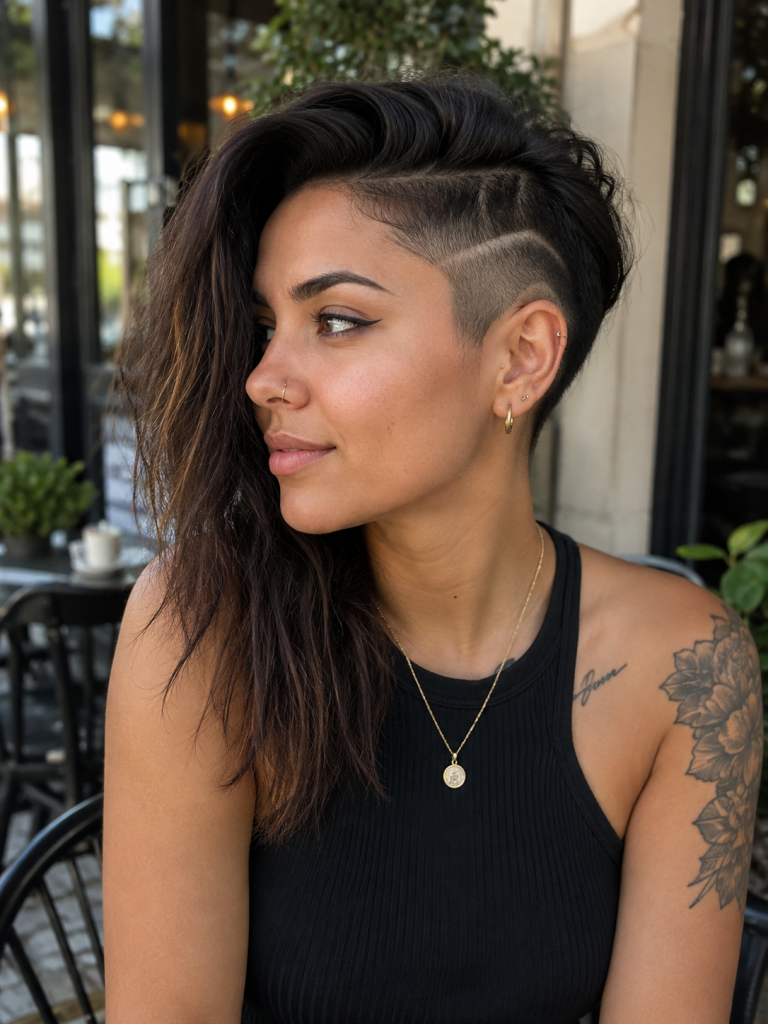
One side sits noticeably longer than the other, and the shorter side usually carries the shaved detail. It’s a striking silhouette that photographs well from every angle. Because the asymmetry draws the eye, keep the color relatively simple, one or two tones, so the cut itself stays the main focus rather than competing with a busy color job.
Deep Side Part Undercut Bob
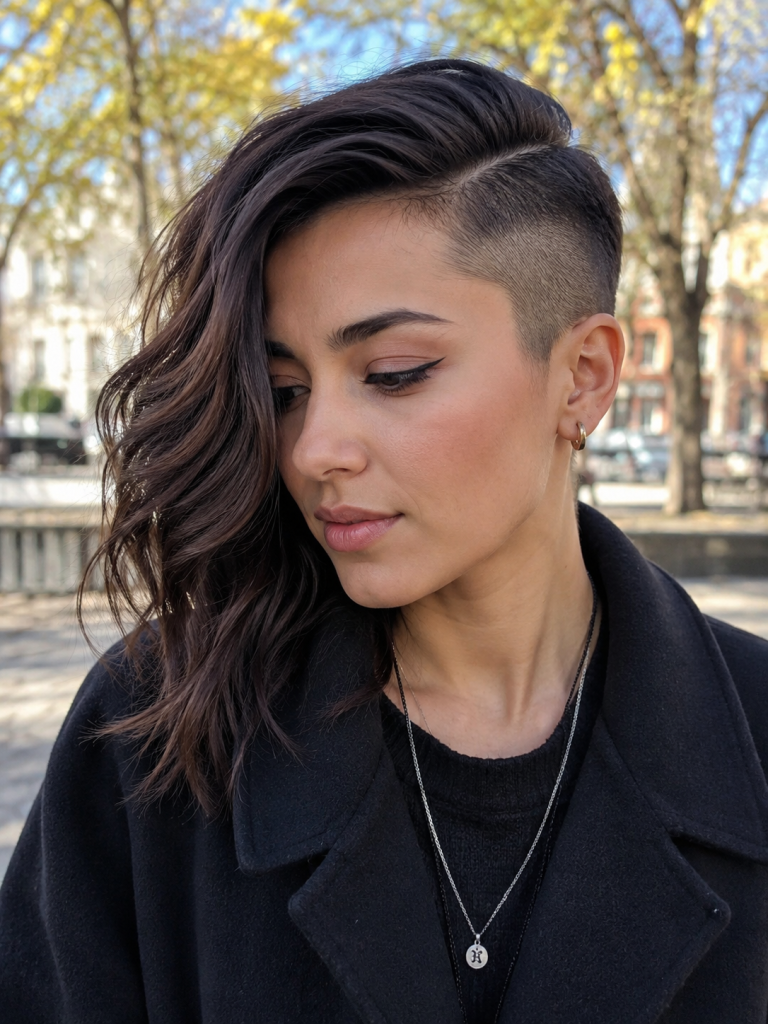
A dramatically deep part shifts most of the hair to one side, letting the opposite side’s undercut peek through naturally without any tucking or clipping required. This is a low-effort way to show off the shaved detail daily. It suits straight to lightly wavy textures best, since the part holds its place more reliably than very curly hair.
Stacked Undercut Bob
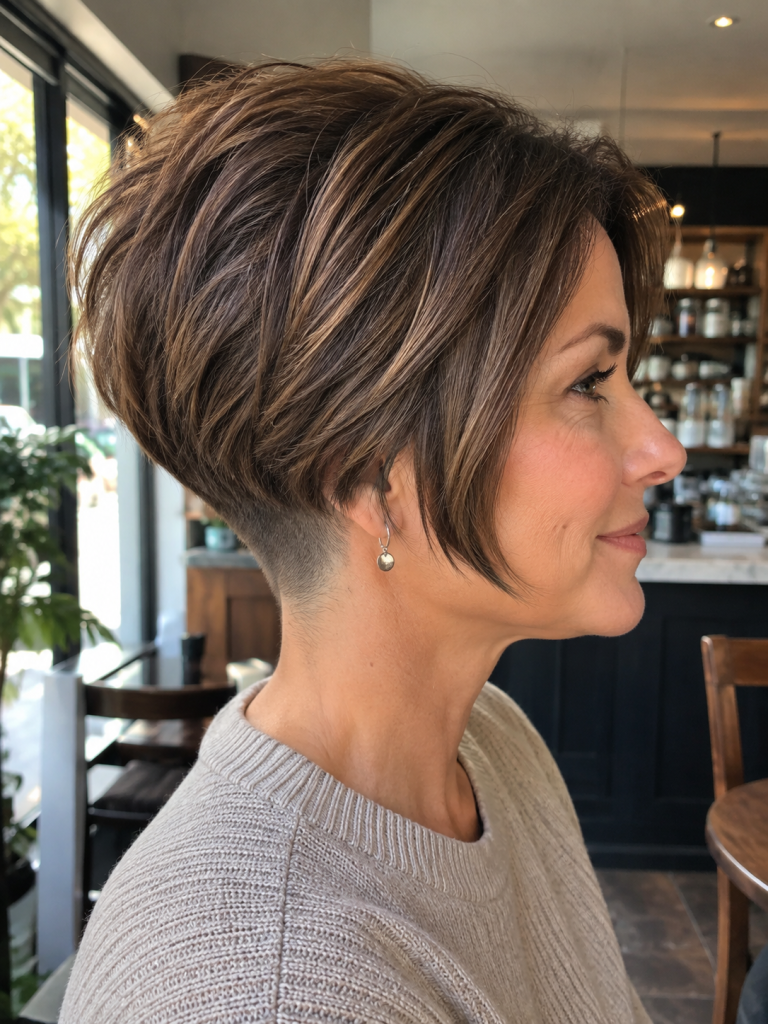
Short, tightly stacked layers at the back build noticeable volume, and the undercut sits just beneath that stacked section to keep it from looking heavy. The front stays longer, creating a rounded, structured silhouette from the side. This version works particularly well for thicker hair that tends to look bulky at the nape without some kind of thinning technique.
Curly Undercut Bob
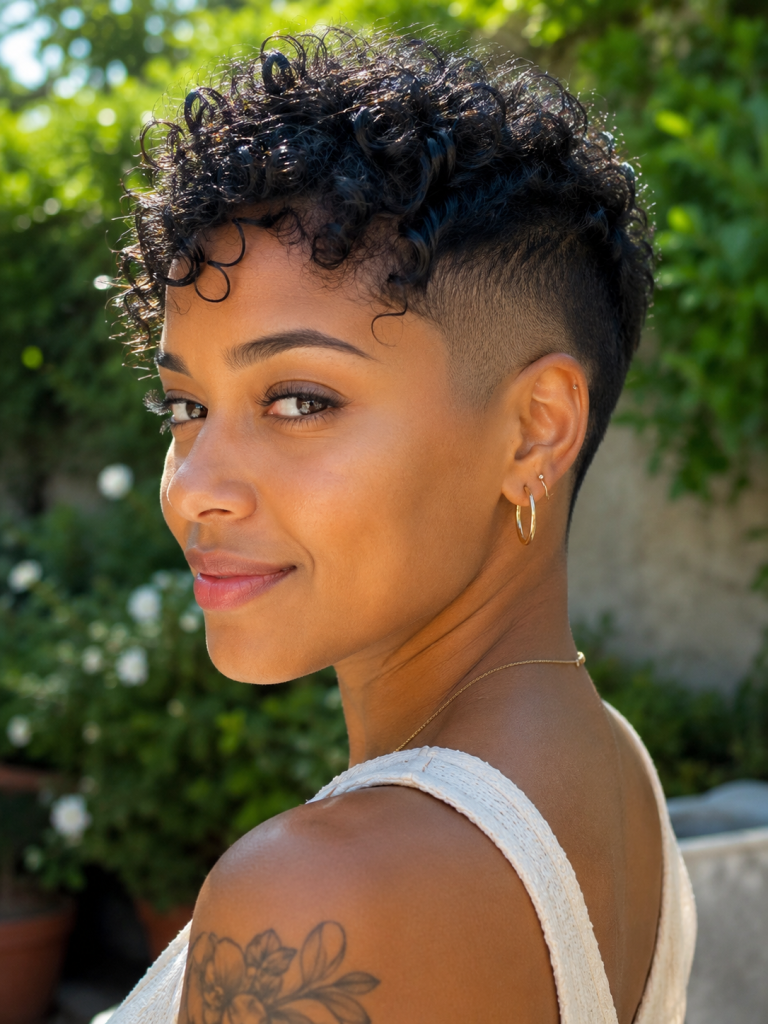
Curls need extra care here, since shaved sections and tight curl patterns behave very differently as they grow out. A stylist familiar with curly cutting should shape the buzzed area slightly looser than they would on straight hair, allowing room for shrinkage. The contrast between defined curls up top and the smooth undercut underneath looks genuinely striking.
Undercut Pixie Bob
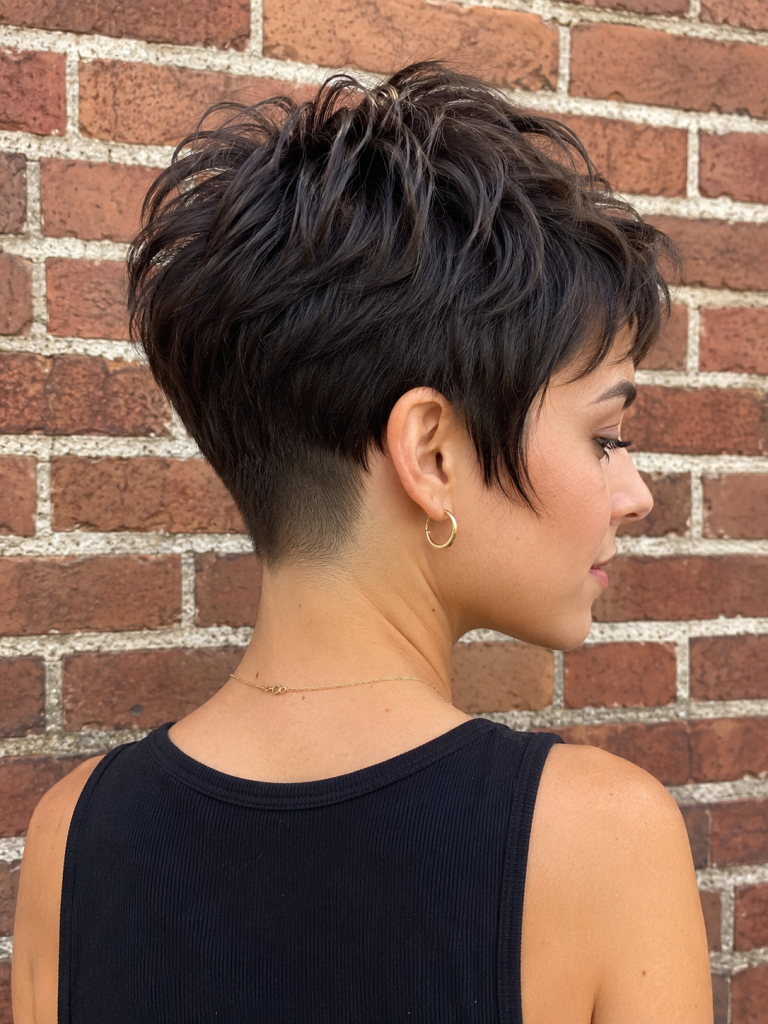
Sitting between a pixie and a full bob in length, this shorter, close-to-the-head cut pairs naturally with an undercut since there’s already minimal length to manage. A shaved nape keeps the whole silhouette clean and tight. Textured, piecey styling on top adds interest without disrupting the crisp, compact shape underneath.
Angled Micro Bob with Buzzed Nape
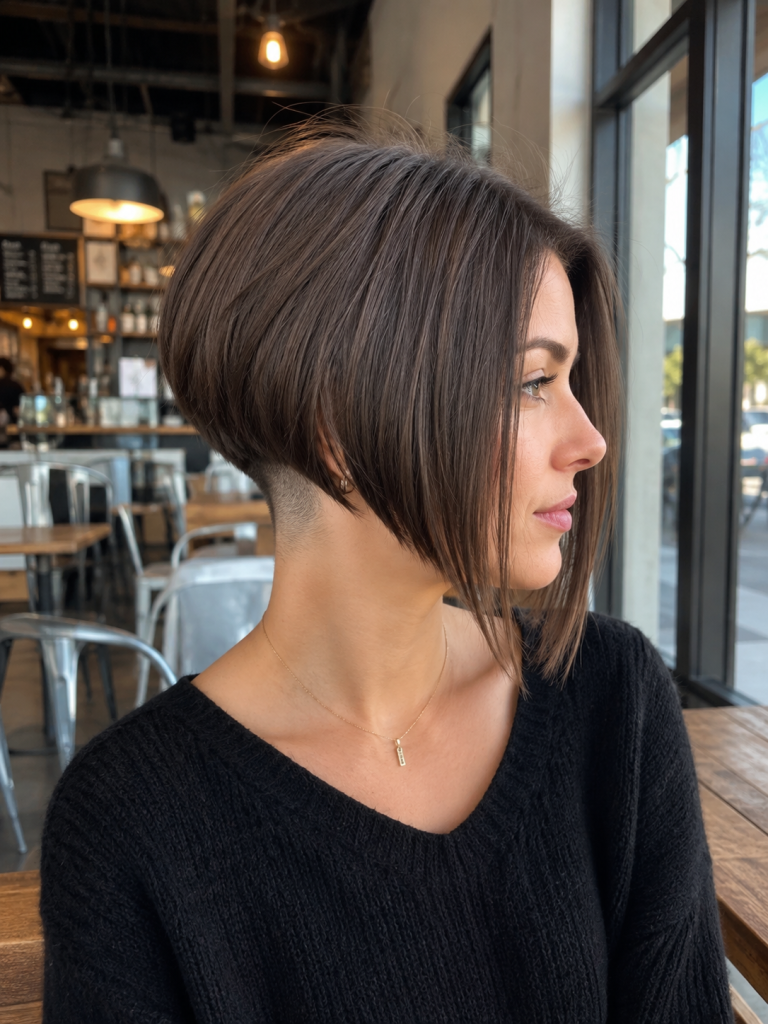
A sharp, angled silhouette, shorter in back and longer toward the chin, gets paired with a precisely buzzed nape for serious visual impact. This combination reads polished and architectural rather than casual. Texturizing paste worked through dry hair helps define the angle daily, and regular nape touch-ups keep the buzzed line looking crisp.
Undercut Lob
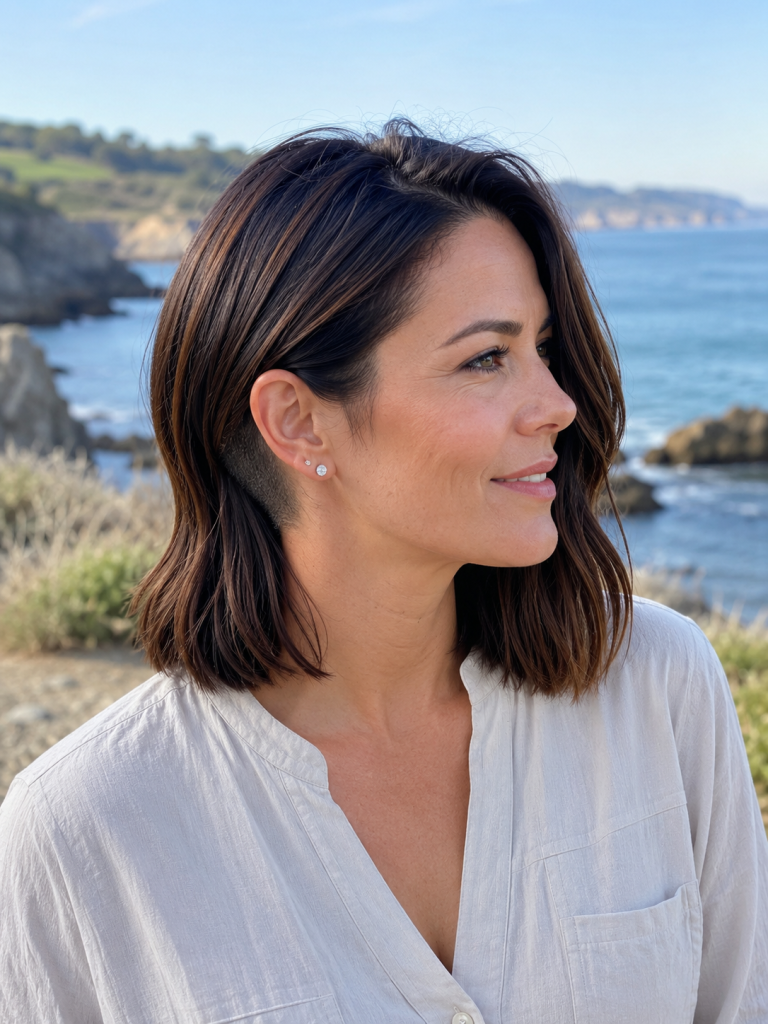
At collarbone length, this longer bob carries the undercut lower down the head, usually starting well below the ear rather than right at the hairline. It’s a gentler introduction to the undercut trend for anyone hesitant about visible shaved sections. The extra length up top means more styling versatility, from sleek and straight to loosely waved.
Fringe Undercut Bob
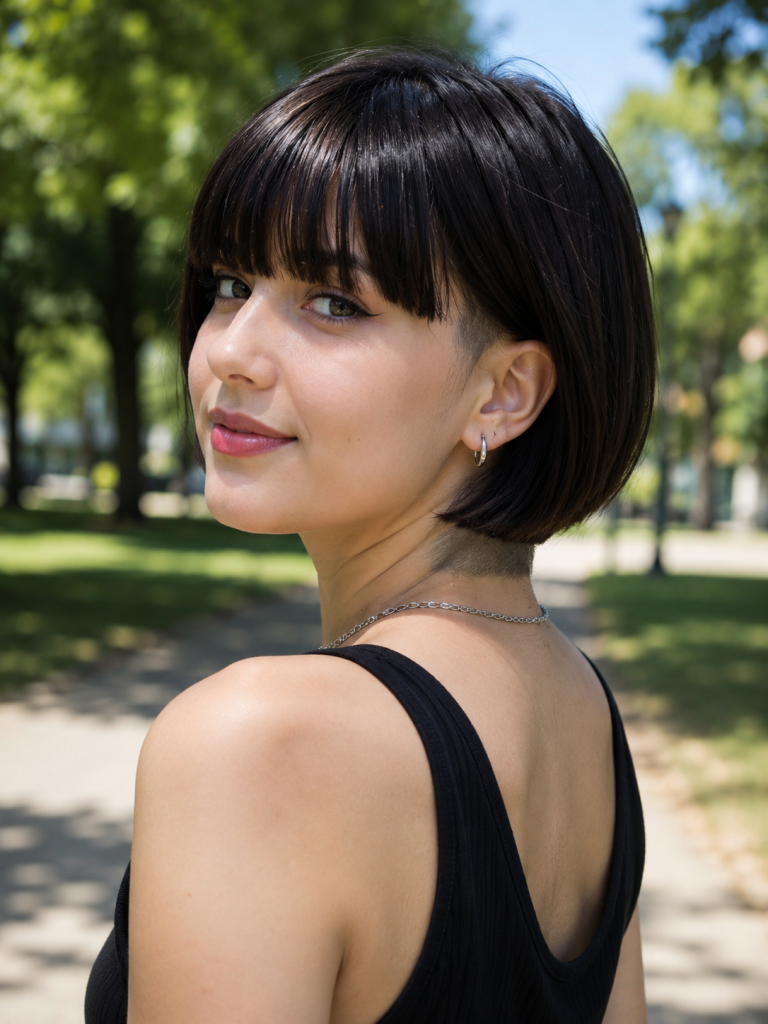
Full, blunt bangs pair with a shaved nape or side section for a look that balances soft and edgy at once. The fringe draws attention forward while the undercut adds interest from the back and sides. This combination suits most face shapes, though it does require more frequent trims to keep the bangs from growing past the brow.
Full Shaved Sides Bob
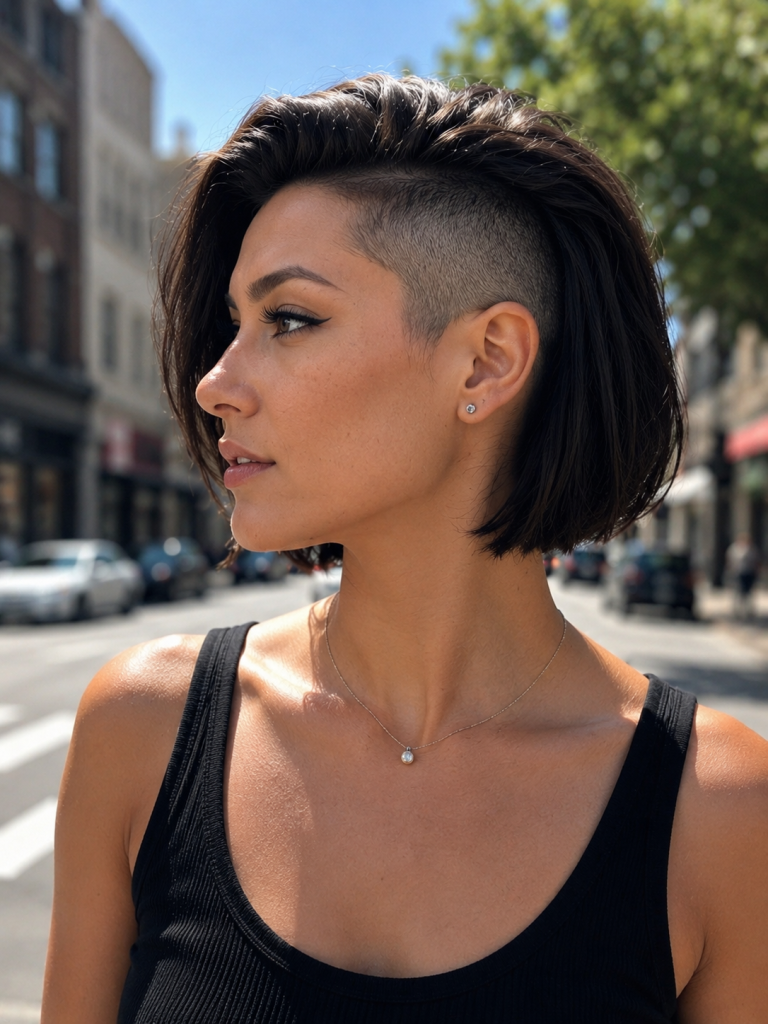
Both sides get buzzed down while the top and back maintain full bob length, creating a dramatic silhouette that reads short from the front and long from certain angles. This is the boldest version of the trend and needs regular upkeep to keep the shaved sides from growing shaggy between salon visits.
