
Thin hair has one real advantage most people overlook: it takes styling changes exceptionally well, since there’s less weight fighting against whatever shape you’re going for. The trick is choosing cuts and techniques that build the illusion of density rather than just adding length for length’s sake. Here are 16 hairstyles built specifically around that goal.
Blunt Bob at the Chin
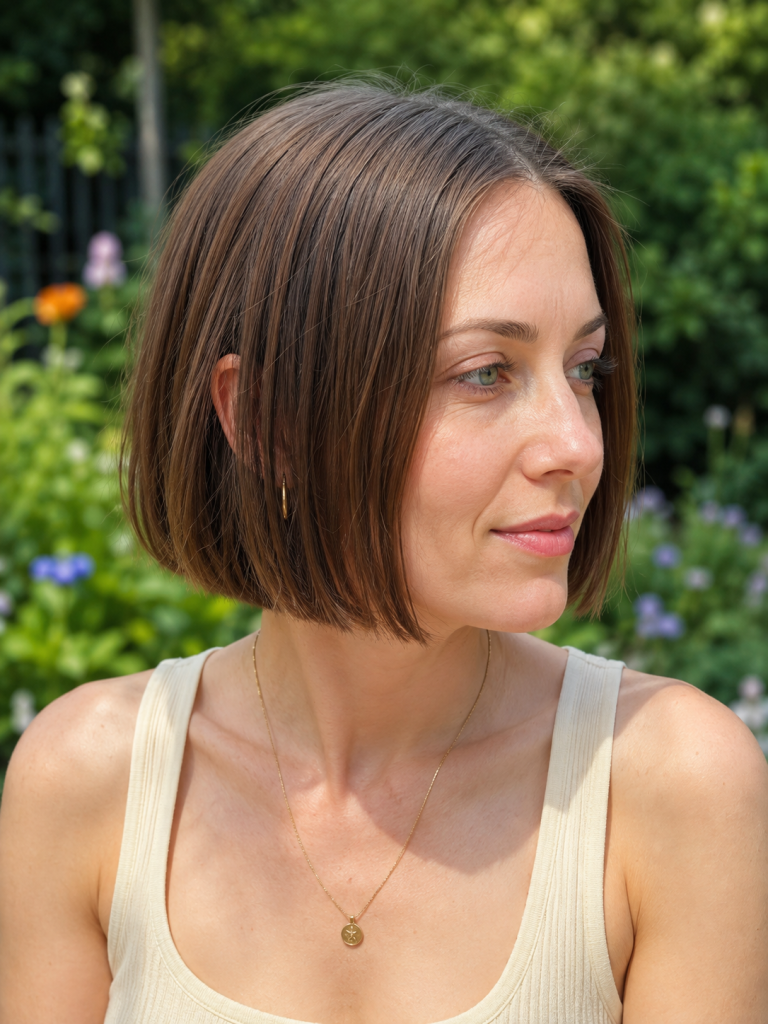
A one-length blunt bob stacks every strand together at the same point, creating a density illusion that layered cuts often can’t match. Skip heavy layering here, it only thins out an already limited amount of hair. Style it sleek and straight to show off the clean, structured line.
Textured Pixie Crop
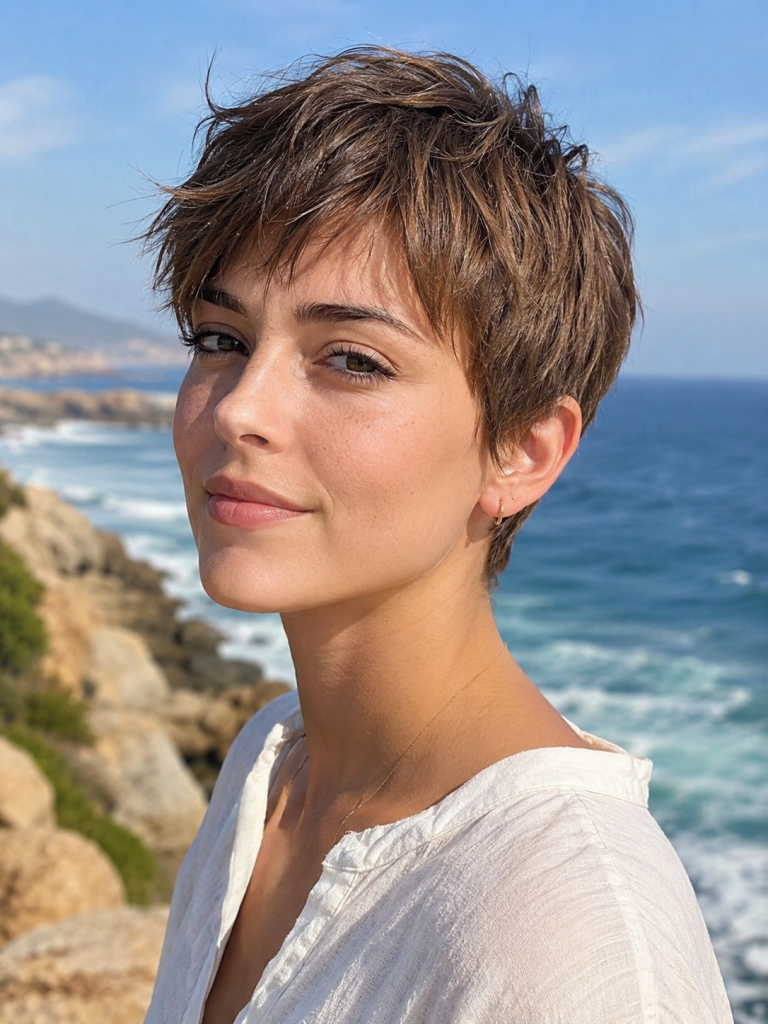
A choppy, textured pixie keeps volume concentrated at the crown, exactly where thin hair tends to look flattest. The shorter overall length also means less weight pulling hair down throughout the day. A lightweight texturizing paste adds definition without weighing down finer strands.
Long Layered Shag
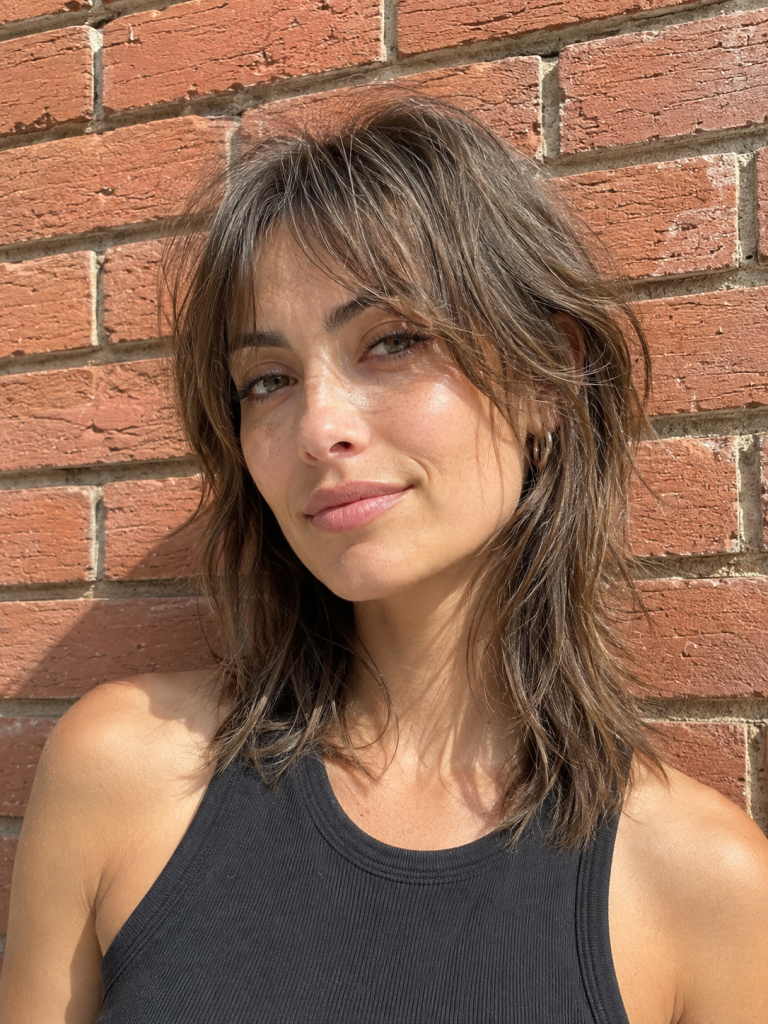
Choppy, face-framing layers throughout give thin hair texture it can’t generate on its own. The shorter layers up top provide lift while longer pieces below let movement cascade instead of falling flat. This cut works particularly well styled with a diffuser for tousled, lived-in volume.
Curtain Bangs with Soft Layers
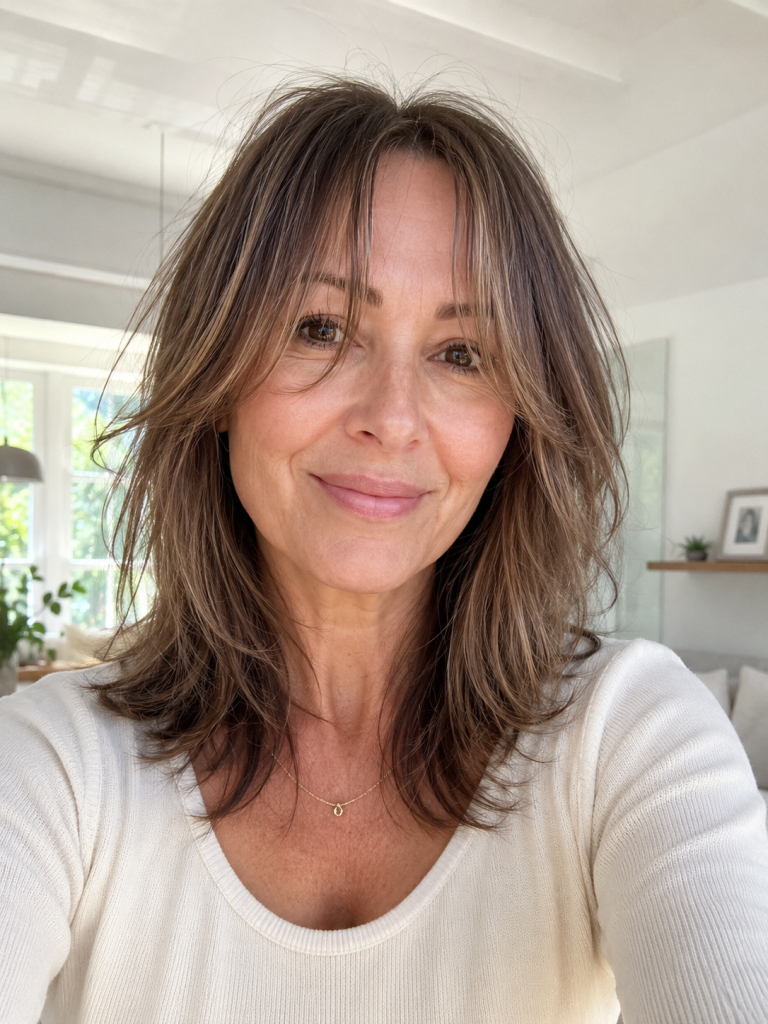
Curtain bangs split down the middle draw the eye outward and add visible movement around the face without adding heavy, all-over layering. They blend seamlessly into face-framing layers rather than sitting as one separate, dense section. Ask for the bangs to hit just below the brow for the most natural growth-out.
Lob with Face-Framing Layers
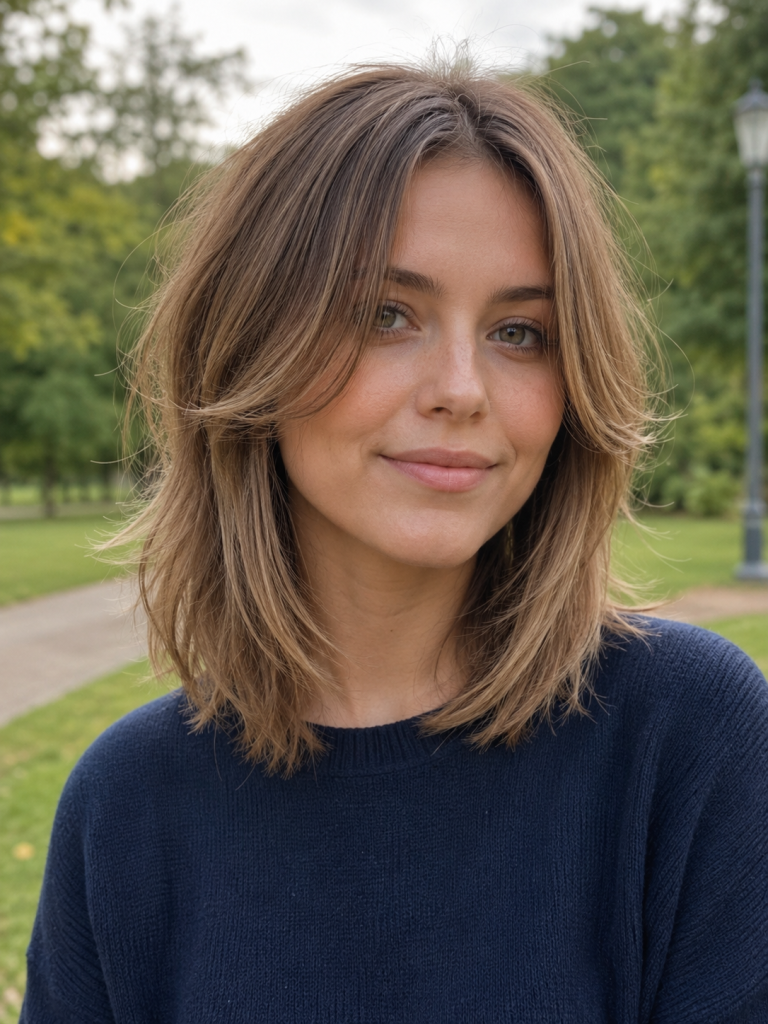
A shoulder-length lob keeps enough weight for the ends to move naturally while layers around the face add lift and softness. This length hits a sweet spot for thin hair, long enough to look intentional, short enough to avoid looking stringy. Round-brush the front sections for a fuller finish.
Wolf Cut
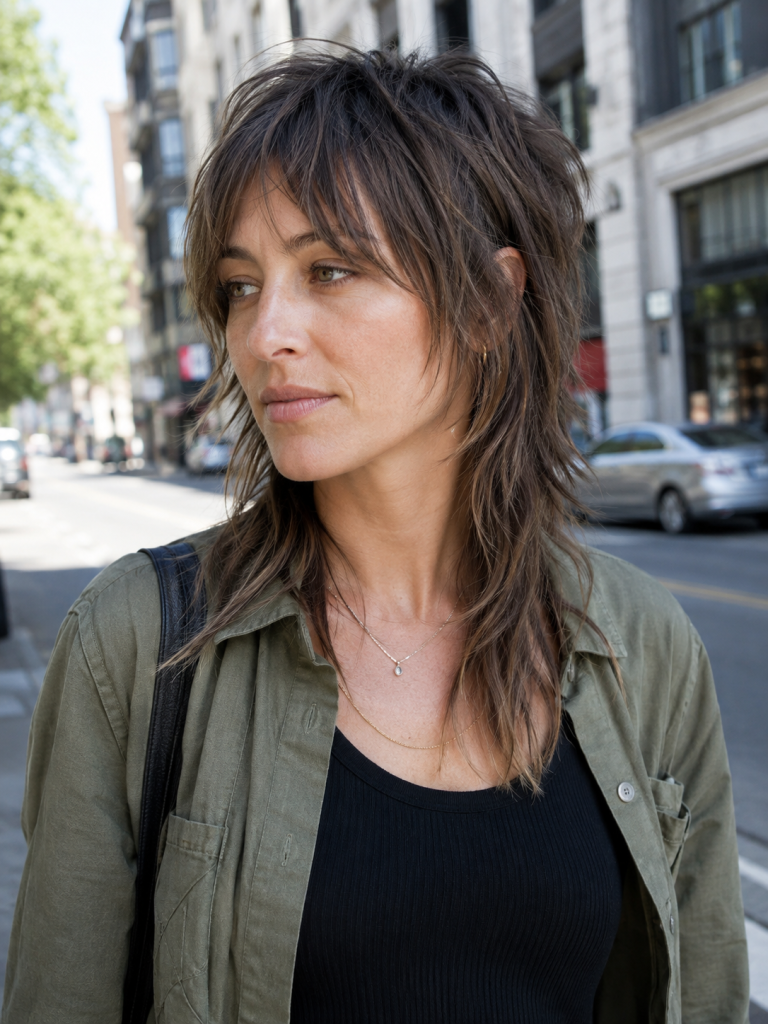
Shorter, choppy layers at the crown paired with longer, shaggier pieces below give thin hair serious texture and volume. This structure also helps disguise any unevenness in density across the head. Pair it with a texturizing spray for extra grip and separation.
Root-Lifted Blowout
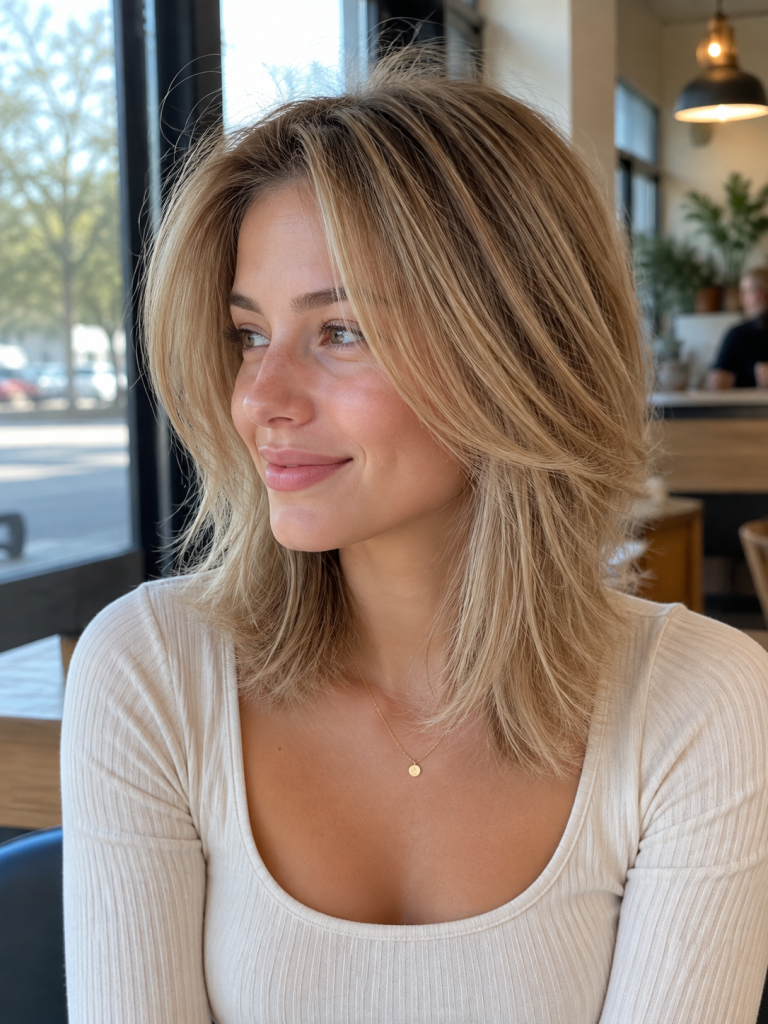
Blow-drying the roots in the opposite direction they naturally fall, then finishing with a round brush, builds height that lasts through the day. This technique matters more for thin hair than almost any specific cut choice. Combine it with any of the layered styles above for maximum effect.
Low Textured Bun
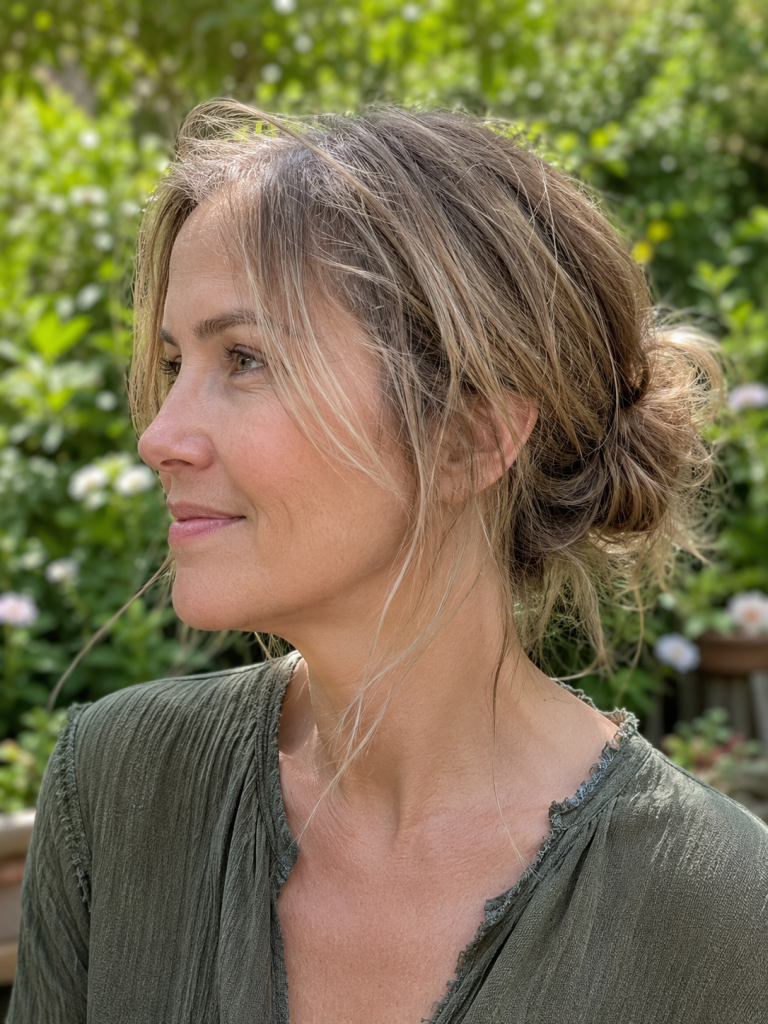
Pulling hair into a deliberately messy low bun, with a few pieces left loose around the face, disguises thinner areas that a sleek, tight updo would expose instead. Backcombing slightly at the crown before gathering hair adds fullness underneath. This style works especially well on second or third day hair.
Side-Swept Waves
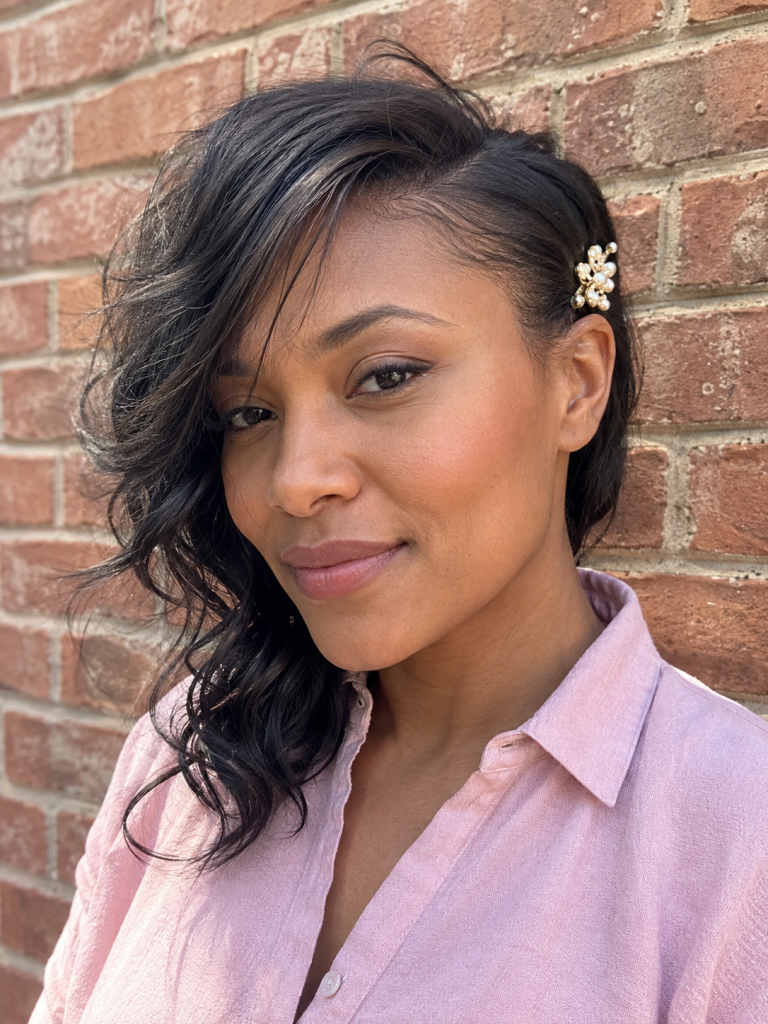
Sweeping hair to one side concentrates visual volume in a single area rather than spreading thin density evenly across the head. Secure with a few bobby pins hidden underneath for hold. This style works particularly well for shoulder-length or longer hair styled for an evening out.
Half-Up Twisted Style
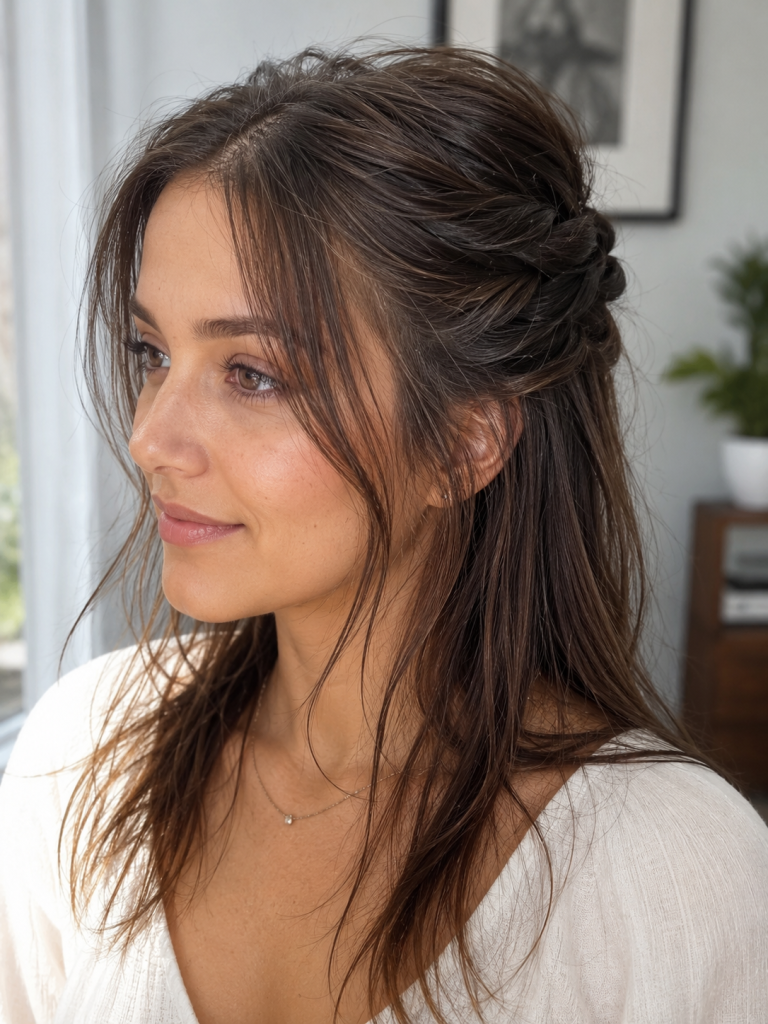
Twisting two small sections from the front and pinning them at the crown lifts hair away from the scalp instantly. The rest of the hair stays loose below, so the overall look reads fuller without requiring a full updo. It’s a quick option that holds up well through a full workday.
Braided Crown
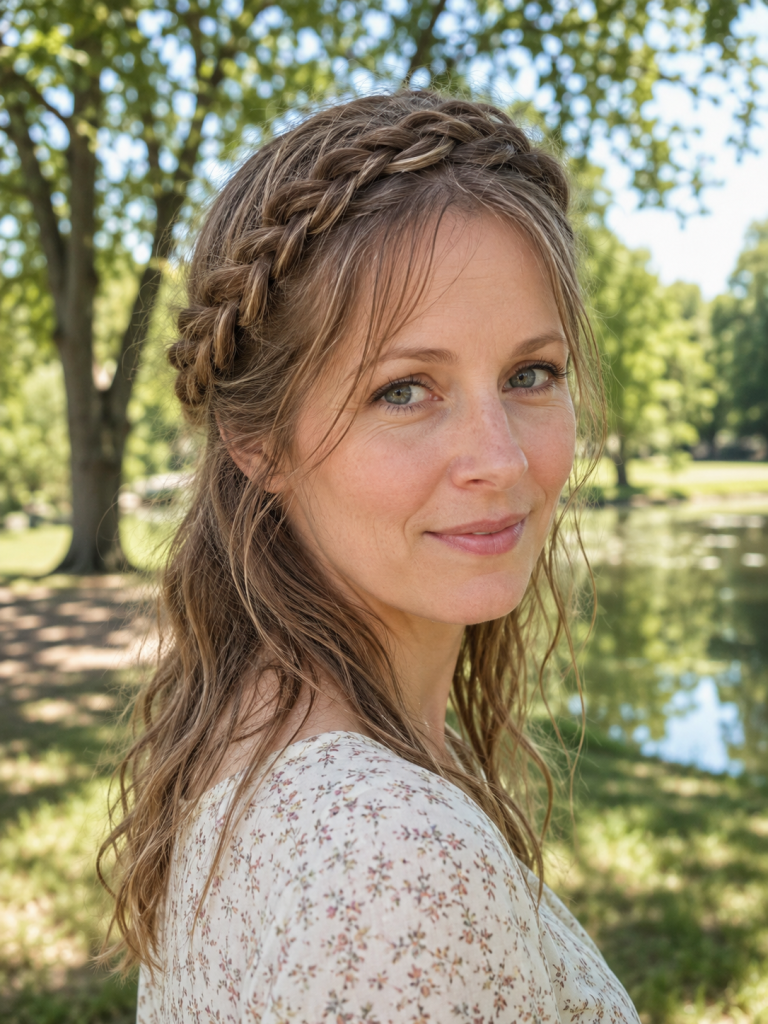
A loose braid wrapped across the top of the head adds instant texture and height at the root that thin hair struggles to hold on its own. Pull a few small pieces from the braid to loosen it for a more natural, undone look. This style also keeps hair off the face during warmer weather.
Textured Crop with Undercut Sides
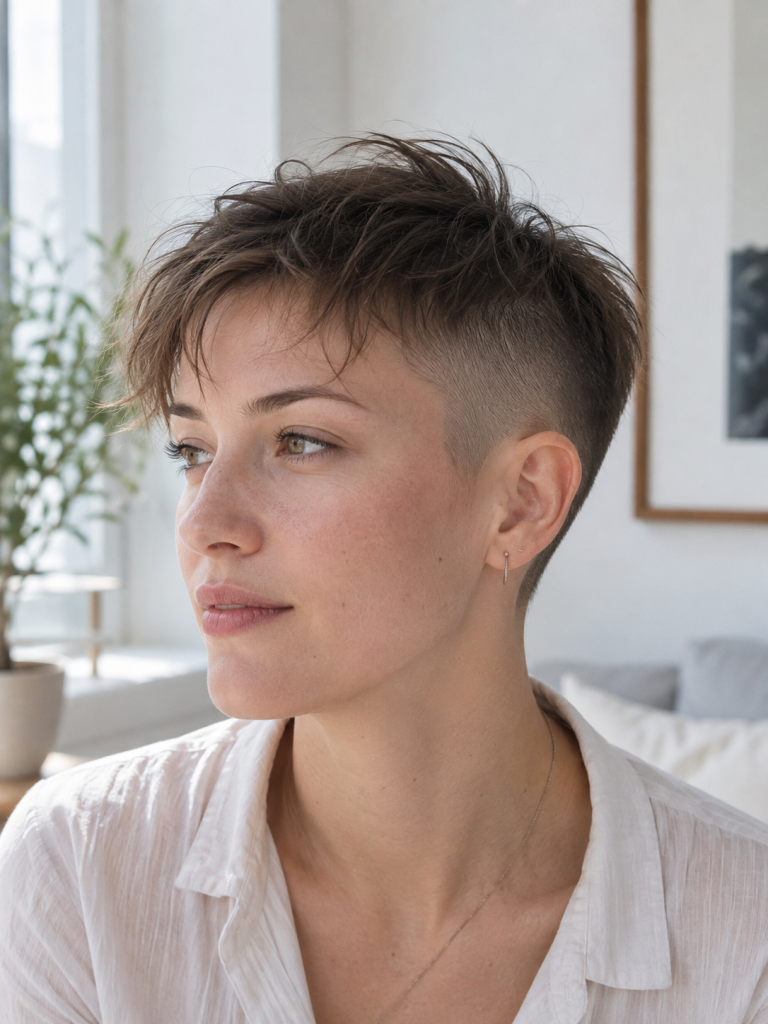
Closely trimming the sides while keeping length on top removes bulk from areas that don’t need it and concentrates all visible volume where it counts. This cut suits thinner density especially well since there’s less hair overall to manage. Style the top with a matte texturizing paste.
Feathered Layers
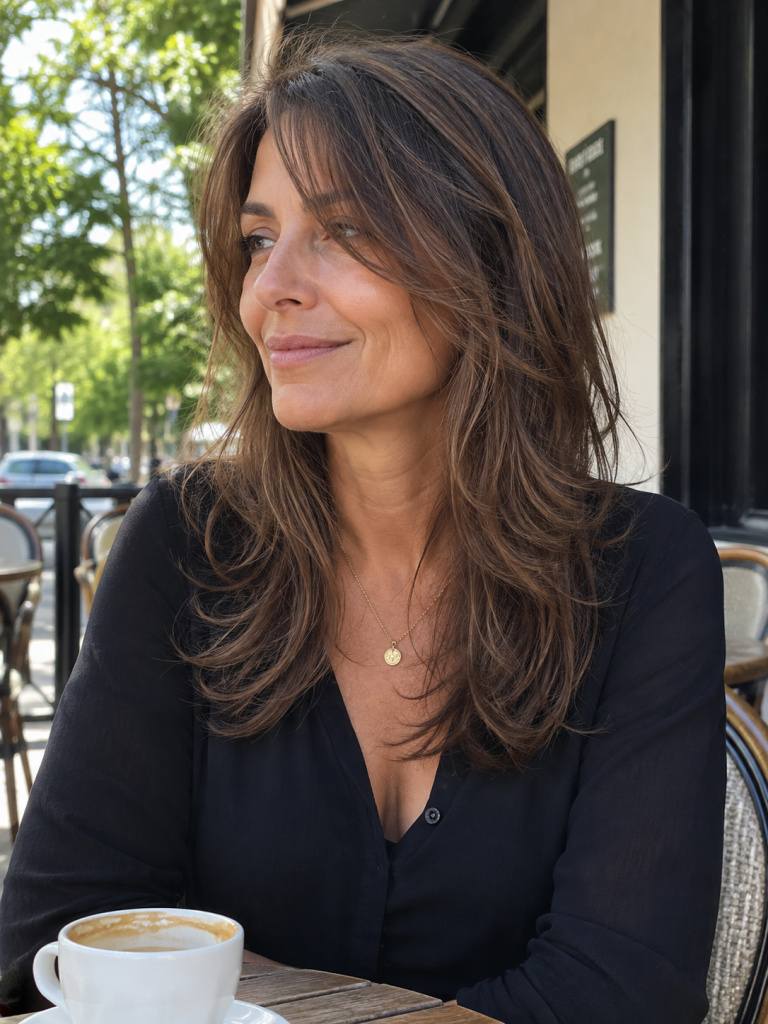
Feathering involves cutting thin, angled sections throughout to create soft, wispy movement rather than one heavy layer. This technique lets individual strands separate and catch light differently, building the appearance of more overall volume. It works best on medium to long lengths with enough hair to feather properly.
Blunt Bob with a Middle Part
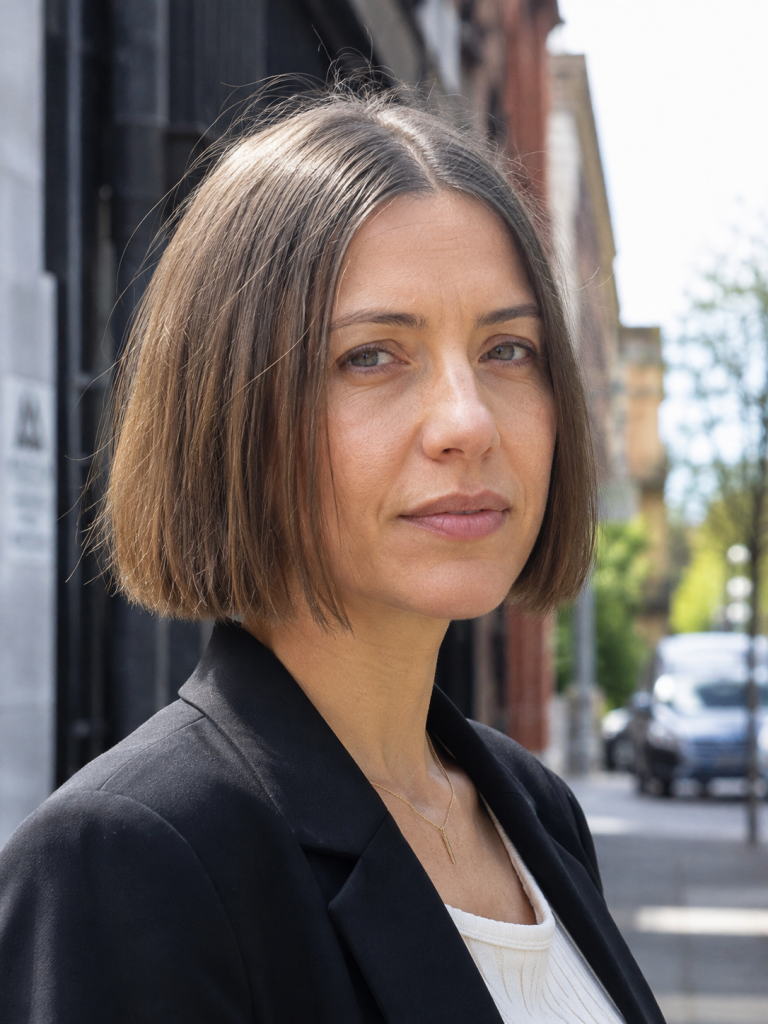
A clean, blunt bob paired with a center part creates a structured, intentional look that highlights the density blunt lines naturally provide. The straight line at the bottom emphasizes thickness that layers can sometimes work against. This style suits those wanting a sleeker, more polished option.
Bob with Volumizing Highlights
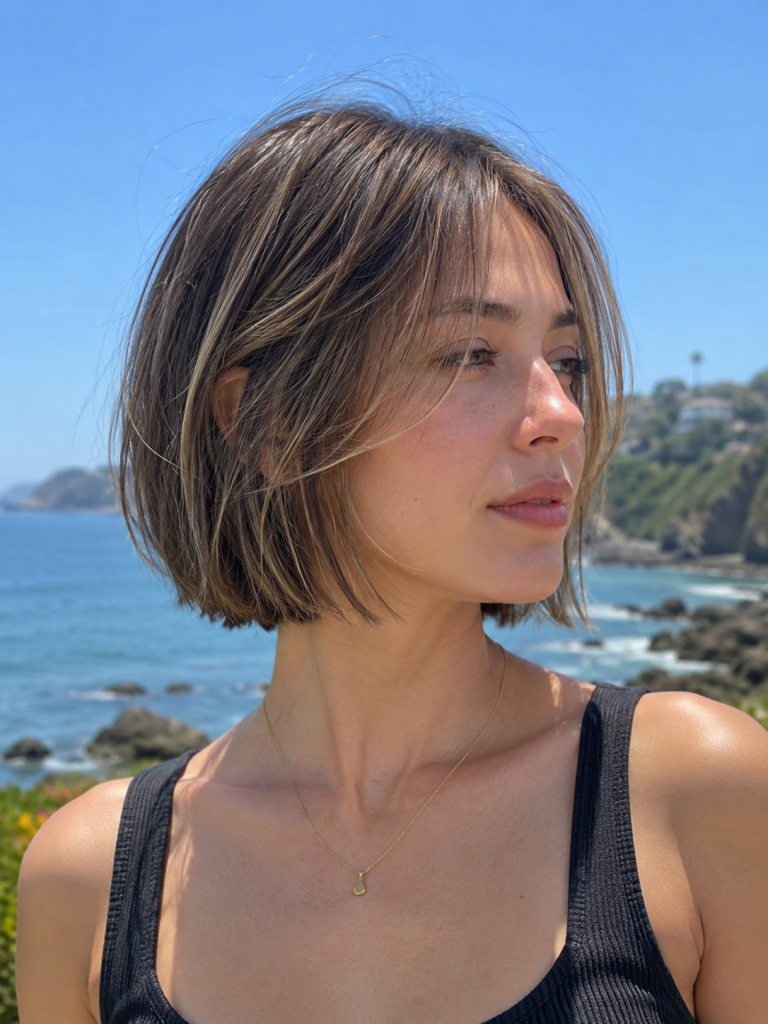
Strategically placed highlights throughout a bob add dimension that tricks the eye into perceiving more depth than the hair actually has. Avoid heavy, solid color blocks, since they can flatten the appearance of the cut’s natural movement. This technique pairs especially well with any of the layered cuts above.
High Half-Ponytail with Loose Ends
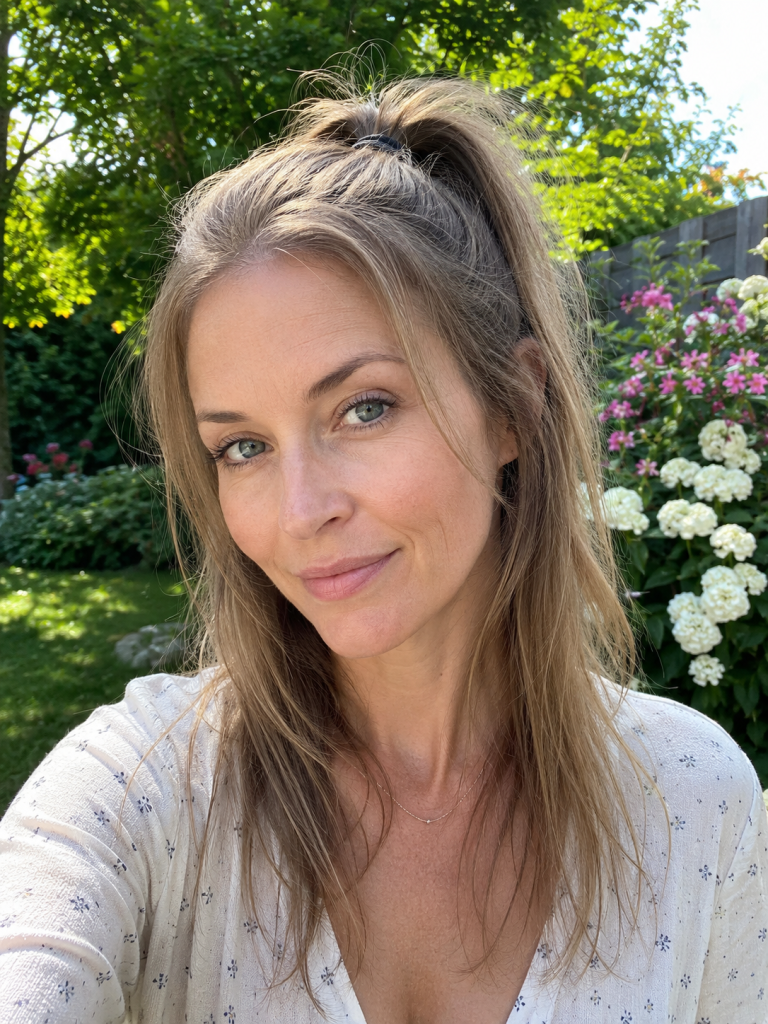
Gathering the top half of the hair into a high ponytail while leaving the bottom half loose lifts volume at the crown instantly. The elevated section also gives the illusion of a fuller ponytail than the hair actually has. Tease the base slightly before securing for extra hold and lift.
