
Balayage and the wolf cut were basically made for each other. The cut’s whole appeal is visible movement, shorter layers springing up at the crown, longer pieces cascading below, and hand-painted color does exactly what a flat, all-over dye job can’t: it catches light differently at every single layer. Colorists say the biggest mistake is treating this like a standard highlight job. Balayage placement should follow the cut’s shape, not ignore it.
Caramel Balayage Wolf Cut
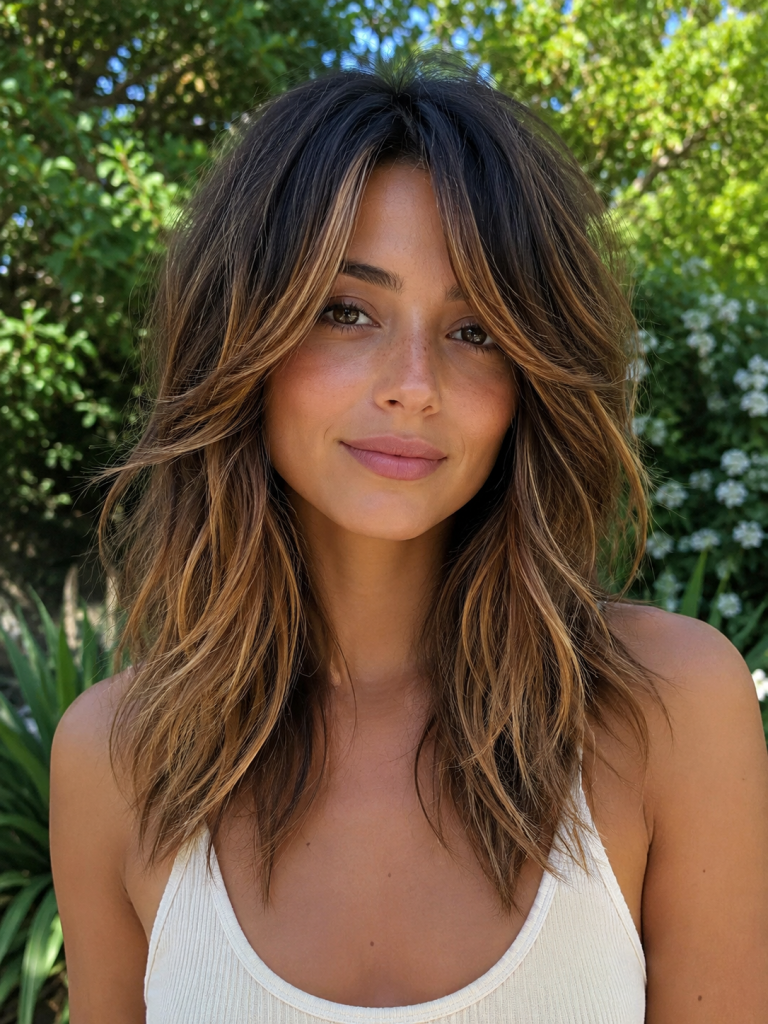
Warm caramel tones hand-painted through the layers add real depth without a harsh root line, mimicking natural sun-lightening. This shade pairs beautifully with brunette bases and needs minimal upkeep since there’s no sharp regrowth to manage. The color reads richest through the longer, cascading back layers.
Honey Balayage Wolf Cut
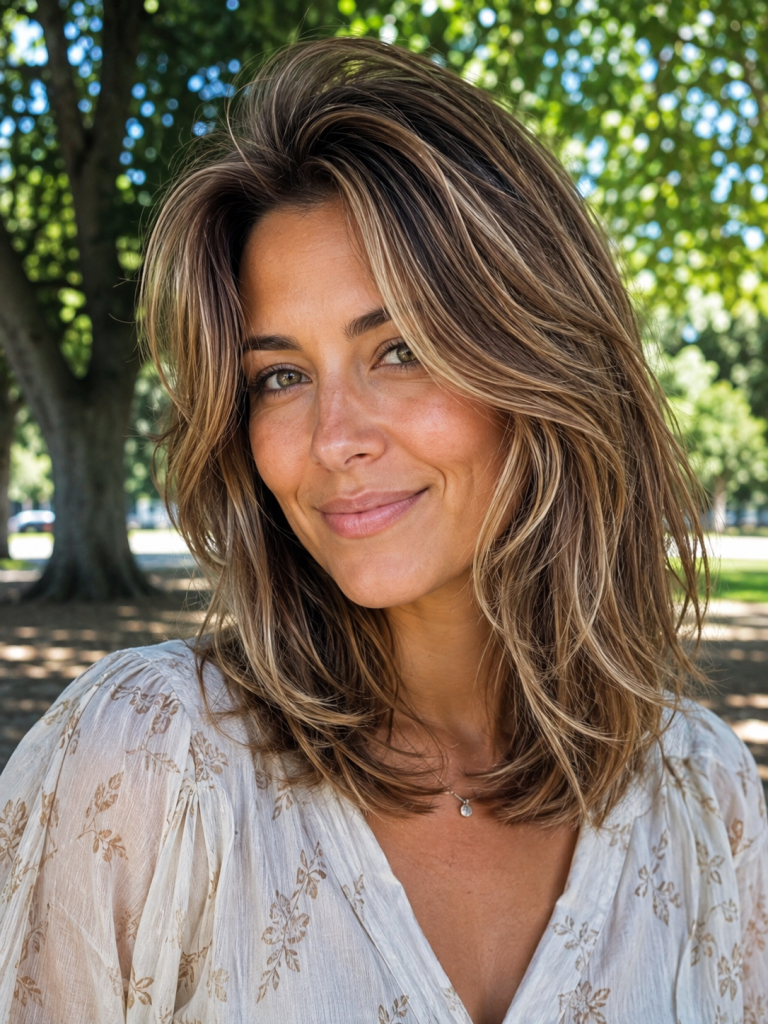
Soft honey highlights woven through the shaggy layers bring warmth and shine, especially noticeable around the shorter, springier crown pieces. This combination works well on medium to dark blonde bases. A gloss refresh every couple of months keeps the honey tone from dulling.
Chestnut Balayage Wolf Cut
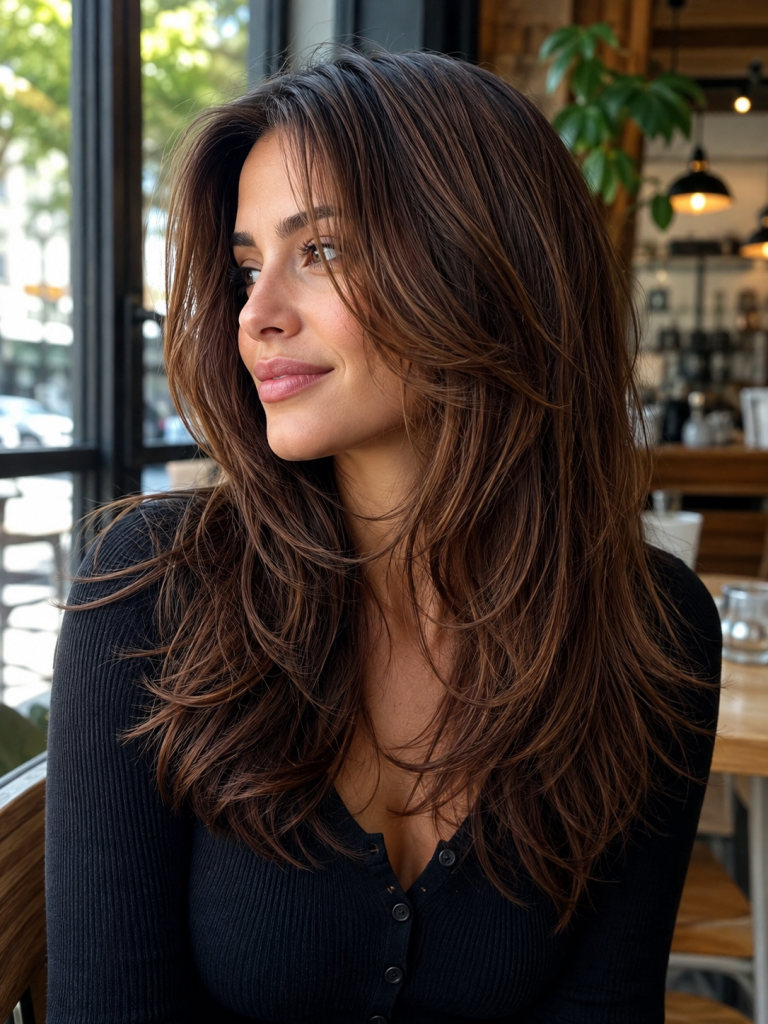
Rich, warm chestnut tones melt through the length, adding dimension to a wolf cut without straying far from a natural brunette palette. This is a genuinely low-maintenance option, since chestnut grows out gracefully with little visible line of demarcation.
Copper Balayage Wolf Cut
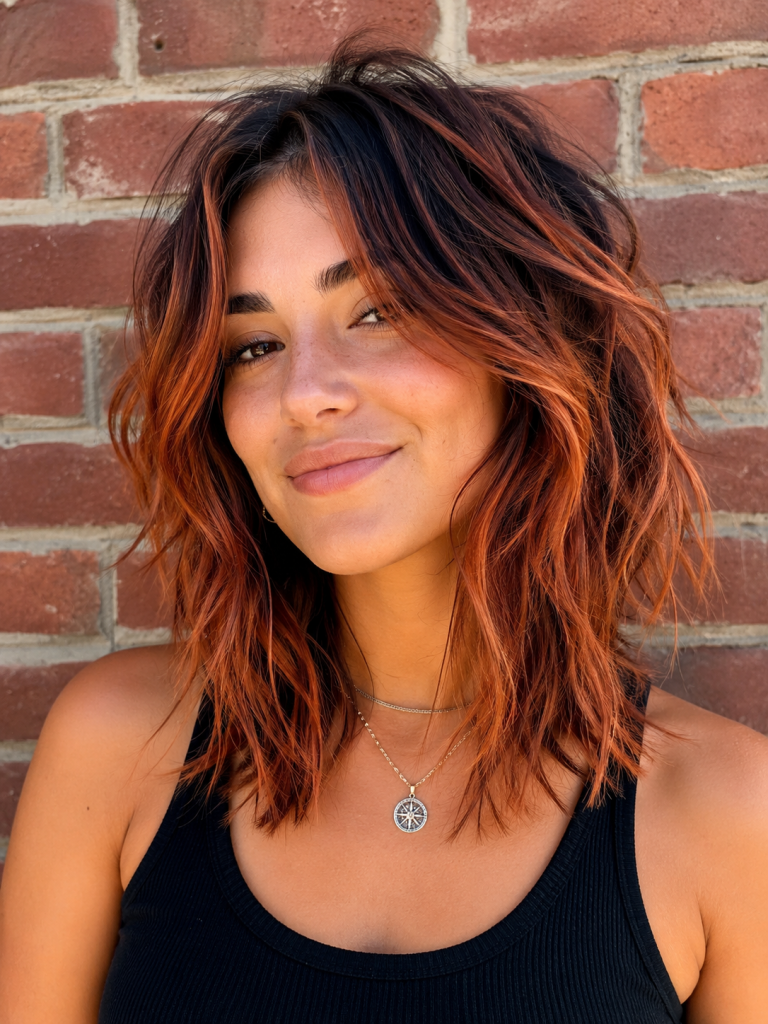
Vibrant copper tones bring real warmth and personality to the choppy layers, especially striking against darker roots. This shade needs more frequent toning to keep the copper from fading toward brassy orange. It photographs beautifully outdoors, where natural light picks up the warmth.
Bronde Root Melt Wolf Cut
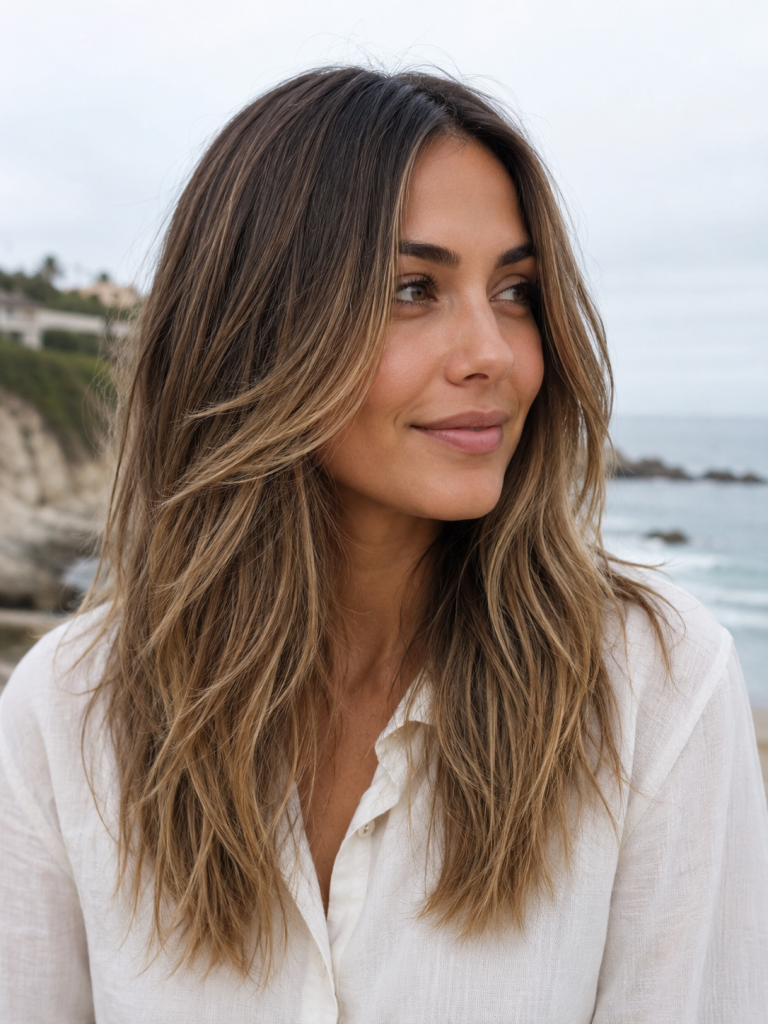
A soft transition from darker roots into lighter, blended bronde tones creates a seamless gradient through the cut’s many layers. This root melt technique is specifically low-maintenance, since the darker base at the roots hides regrowth almost entirely between salon visits.
Ash Brown Balayage Wolf Cut
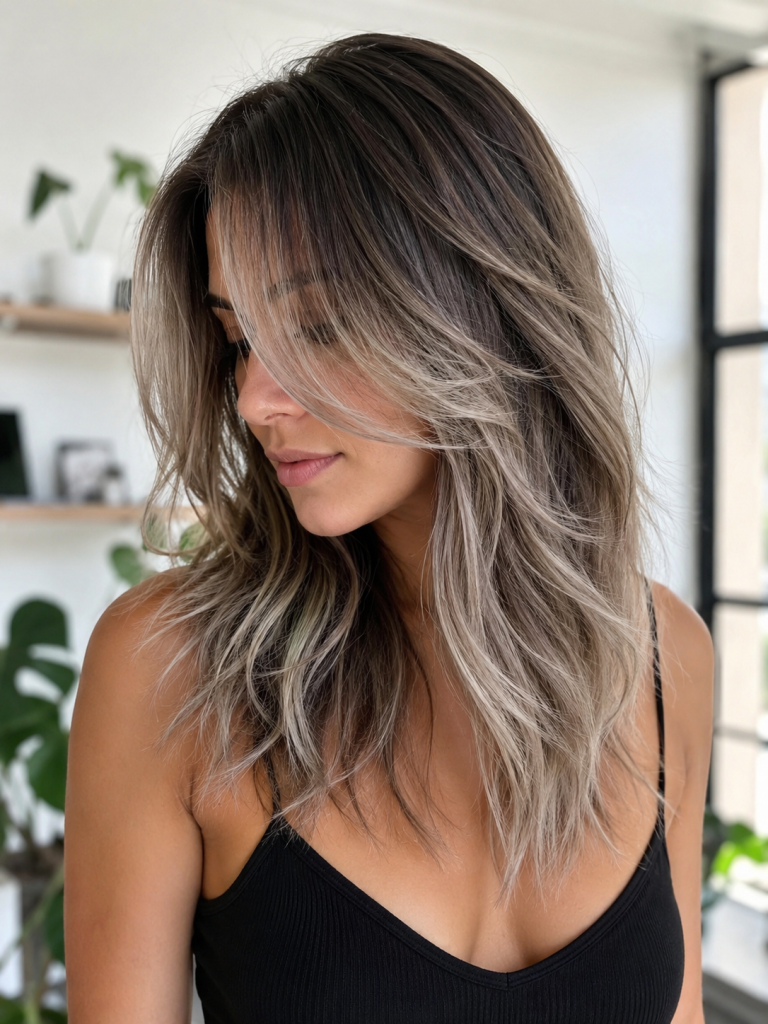
Cooler, muted ash tones hand-painted through the layers offer a more subdued, sophisticated take on the trend. This works especially well for cooler skin undertones that don’t need warmth to look flattering. Purple or blue-toned shampoo helps maintain the ash quality between colorist visits.
Face-Framing Balayage Wolf Cut
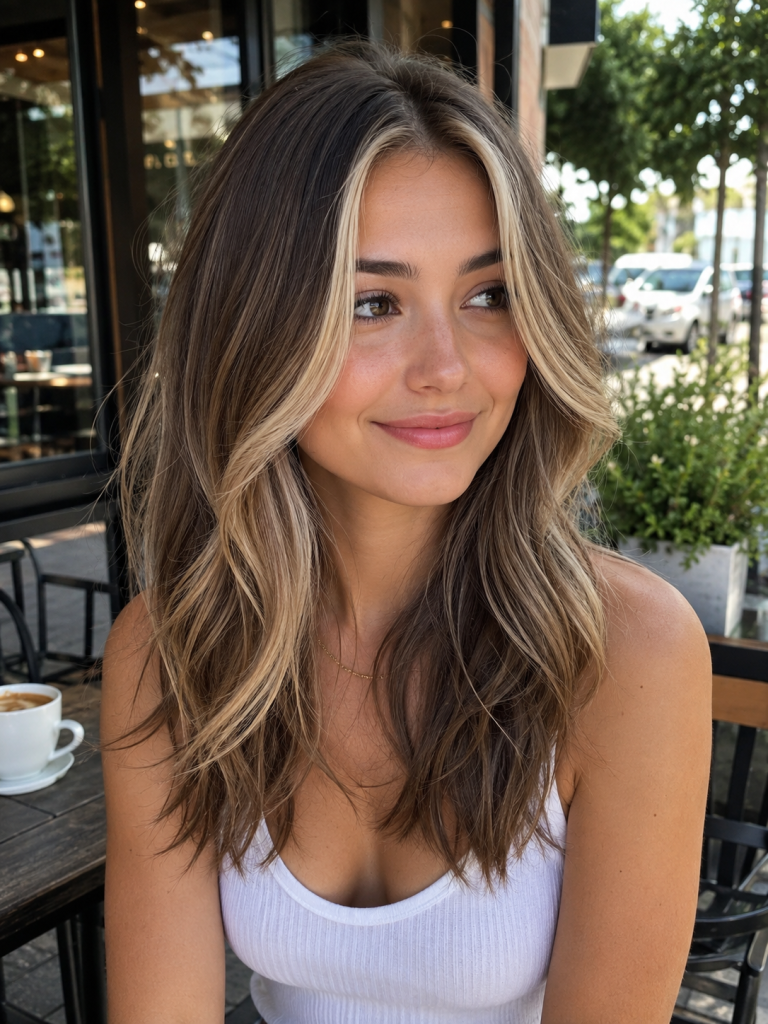
Brighter, lighter pieces concentrated specifically around the face draw attention to the wolf cut’s signature framing layers, while the rest of the color stays more subdued. This placement technique highlights the cut’s structure most directly of any balayage approach here.
Chunky Two-Tone Wolf Cut
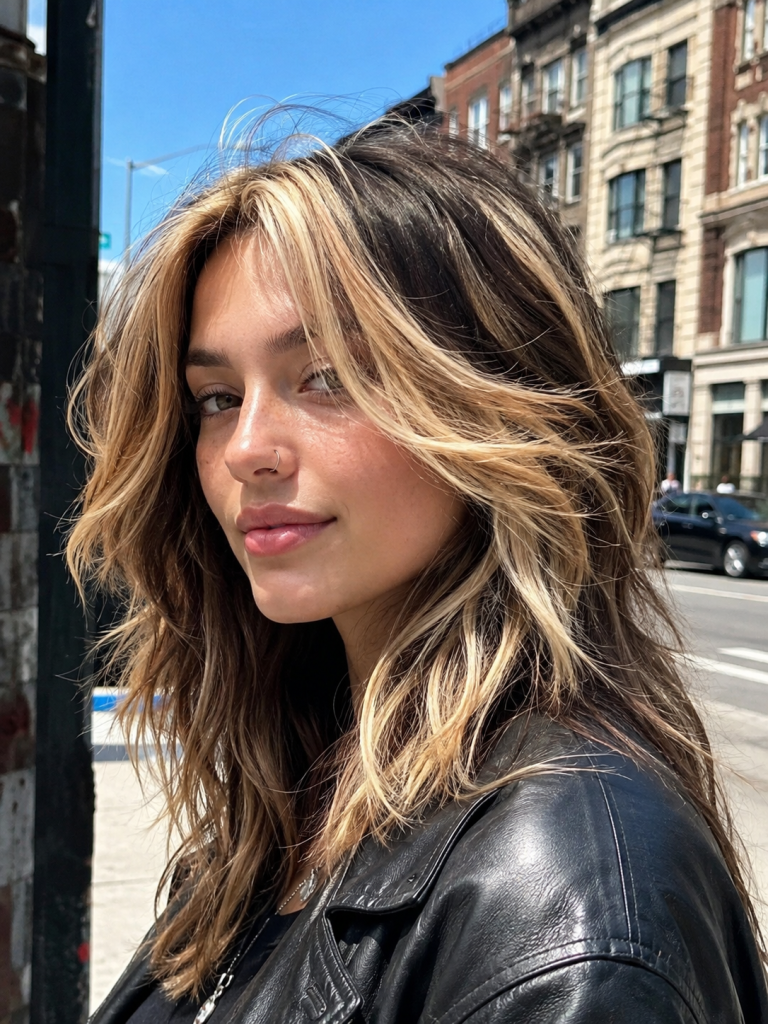
Distinct chunks of contrasting color, blonde against brown, work especially well against the wolf cut’s many different lengths, since each layer catches a slightly different mix. This bolder approach reads more graphic than a soft, blended balayage.
Platinum Balayage Wolf Cut
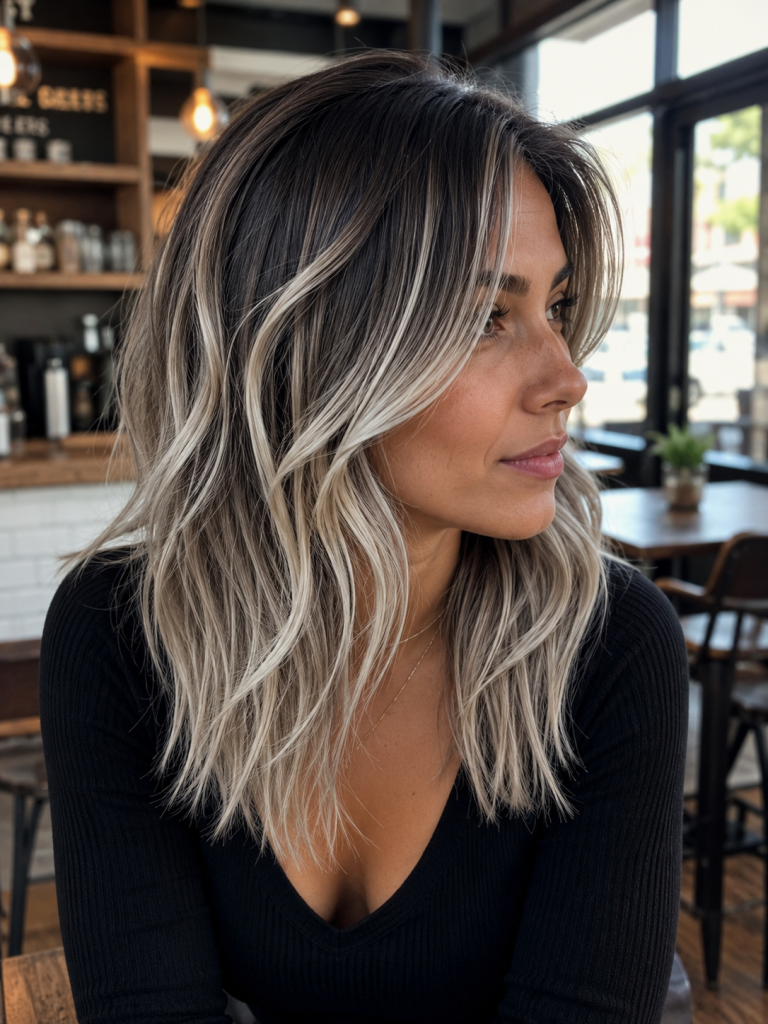
Icy platinum tones hand-painted through darker natural hair create a high-fashion, high-contrast look that really shows off the cut’s texture. This shade requires significant lightening and consistent toning to avoid brassiness, so budget for real upkeep here.
Burgundy Balayage Wolf Cut
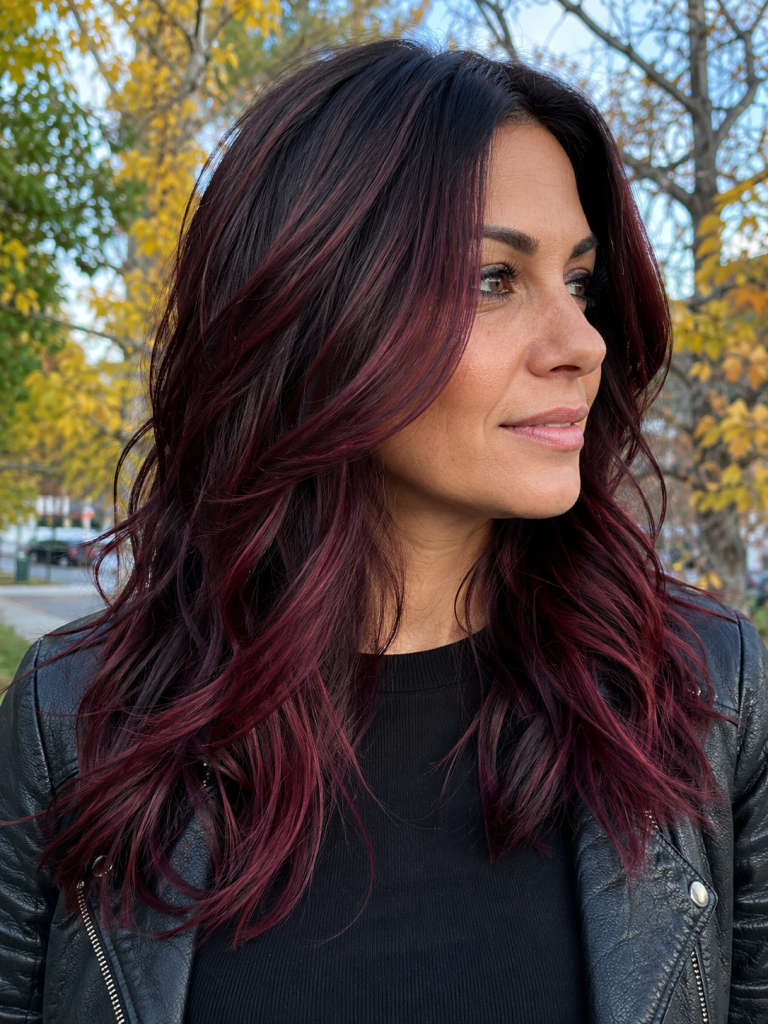
Deep, wine-toned burgundy woven through the layers adds richness and edge without going as bold as a fantasy color. This shade suits darker natural bases especially well and fades gracefully toward a warm auburn rather than an obvious grow-out line.
Curly Balayage Wolf Cut
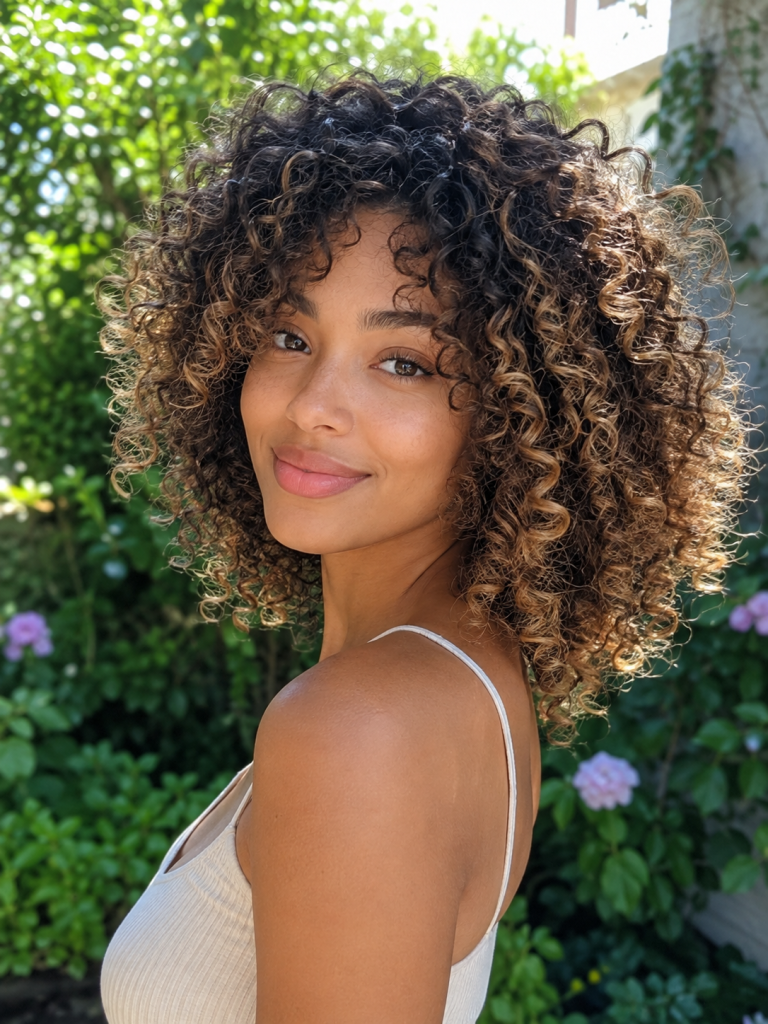
Hand-painted color on curly hair needs extra care, since curl pattern absorbs balayage differently than straight strands do. Keeping bleach away from the roots and using a bond-building treatment protects curl integrity. The color shows beautifully as curls catch light from multiple angles.
Wavy Balayage Wolf Cut
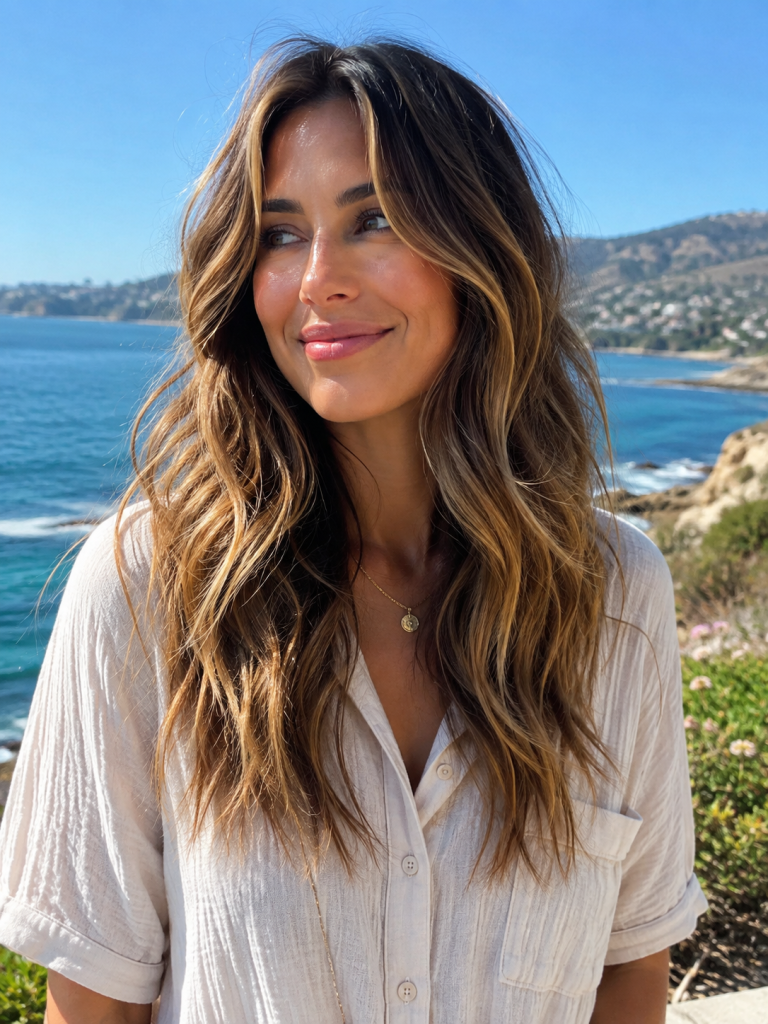
Natural waves let balayage do exactly what it does best, since the gentle bend in the hair catches light more naturally than flat, straight strands. A sea salt spray enhances the wave pattern, letting the color’s dimension show through every layer.
Long Balayage Wolf Cut with Curtain Bangs
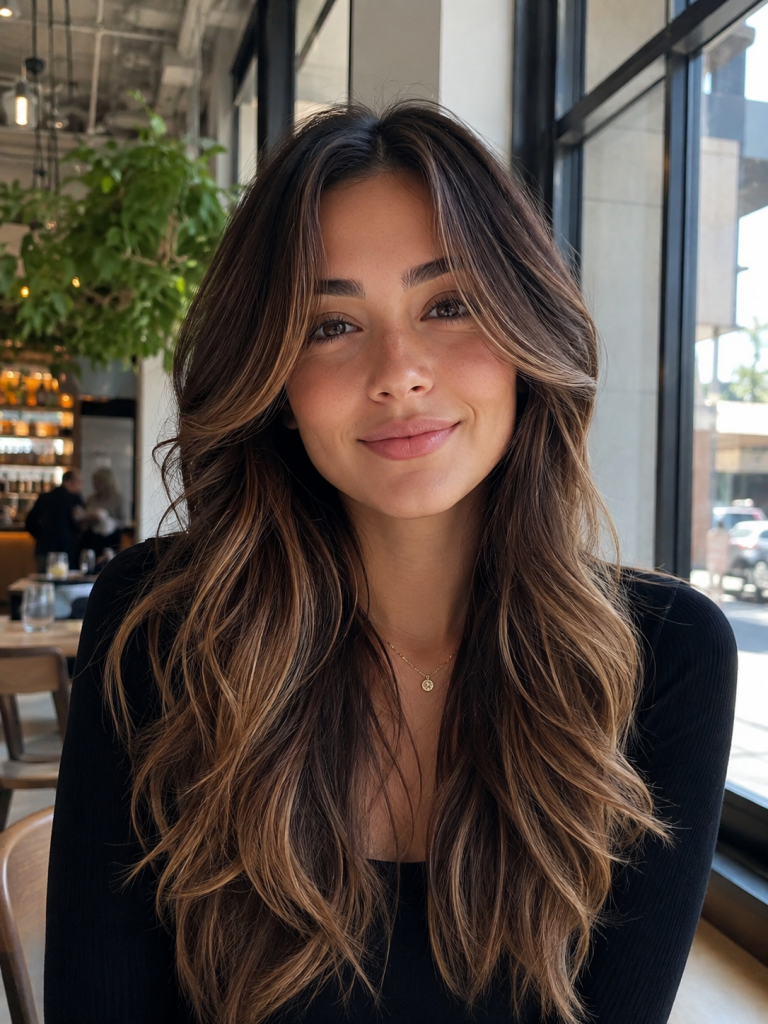
Extended length keeps the wolf cut’s dramatic layering while curtain bangs soften the face, and balayage placed through both the bangs and length ties the whole look together. This combination offers serious styling versatility for longer hair.
Short Balayage Wolf Cut
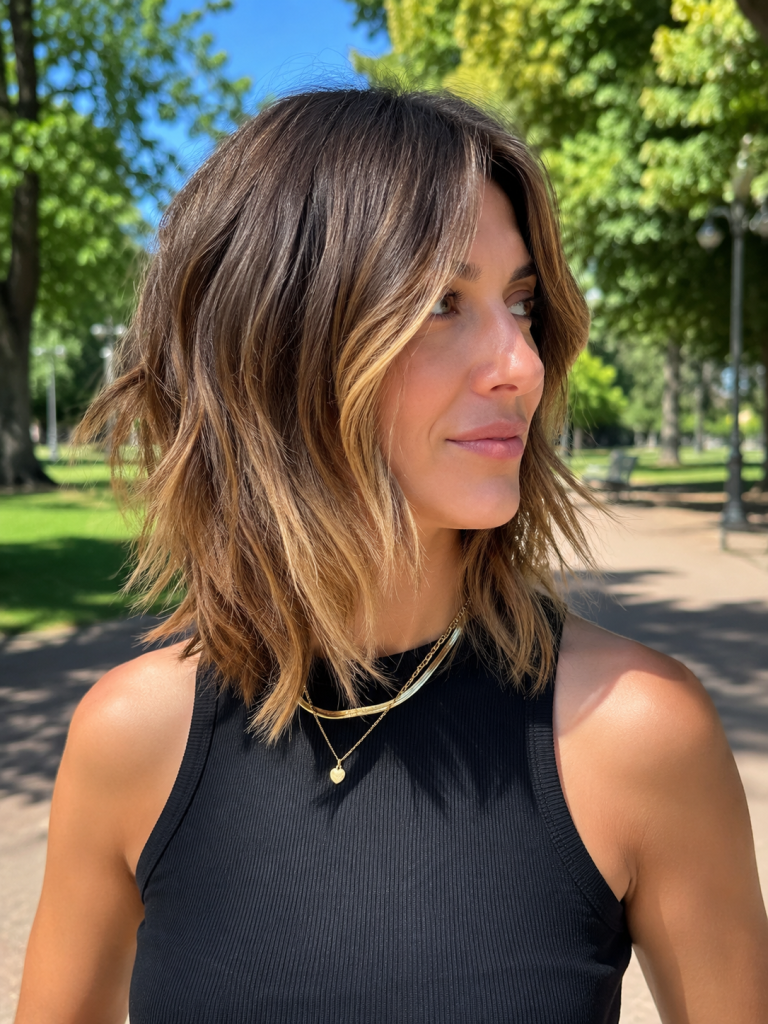
A shorter, bob-adjacent length keeps the wolf cut’s volume compact while balayage adds dimension despite the reduced surface area. Color placement here needs to be more concentrated to show up clearly at this length, so ask your colorist about slightly bolder placement.
Root Shadow Melt Wolf Cut
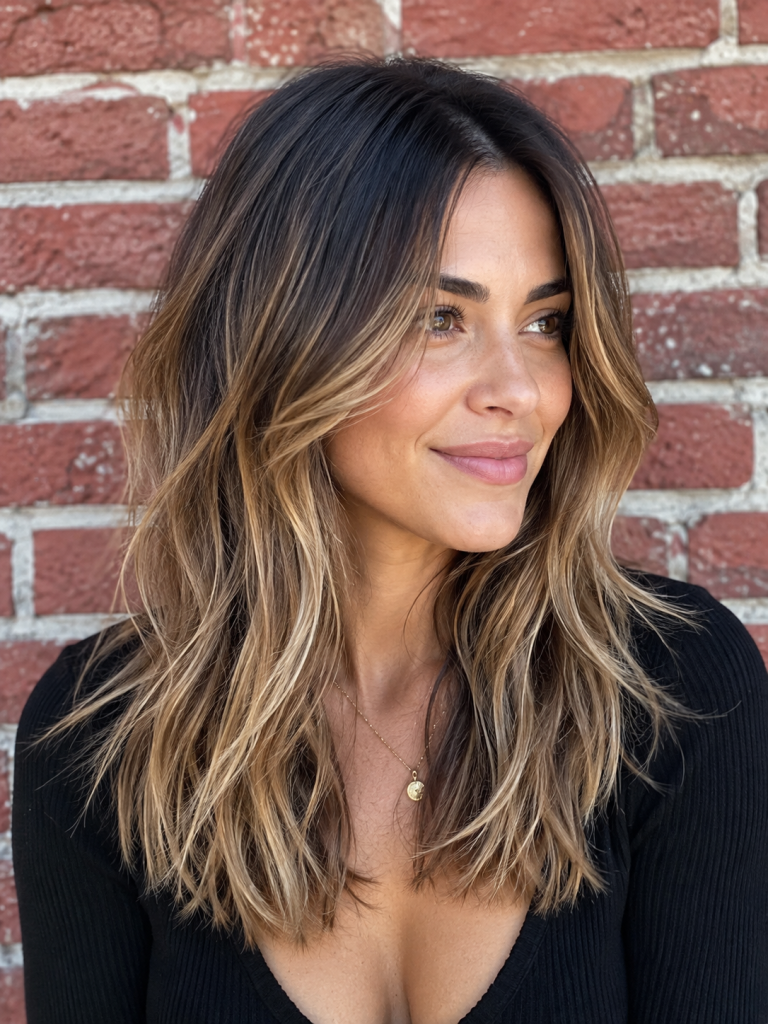
Starting with a deeper tone at the roots that softly melts into lighter mids and ends, this technique adds real depth to the wolf cut’s layered texture. It’s an especially low-maintenance option, since the shadow root grows out looking intentional rather than obvious.
Money Piece Balayage Wolf Cut
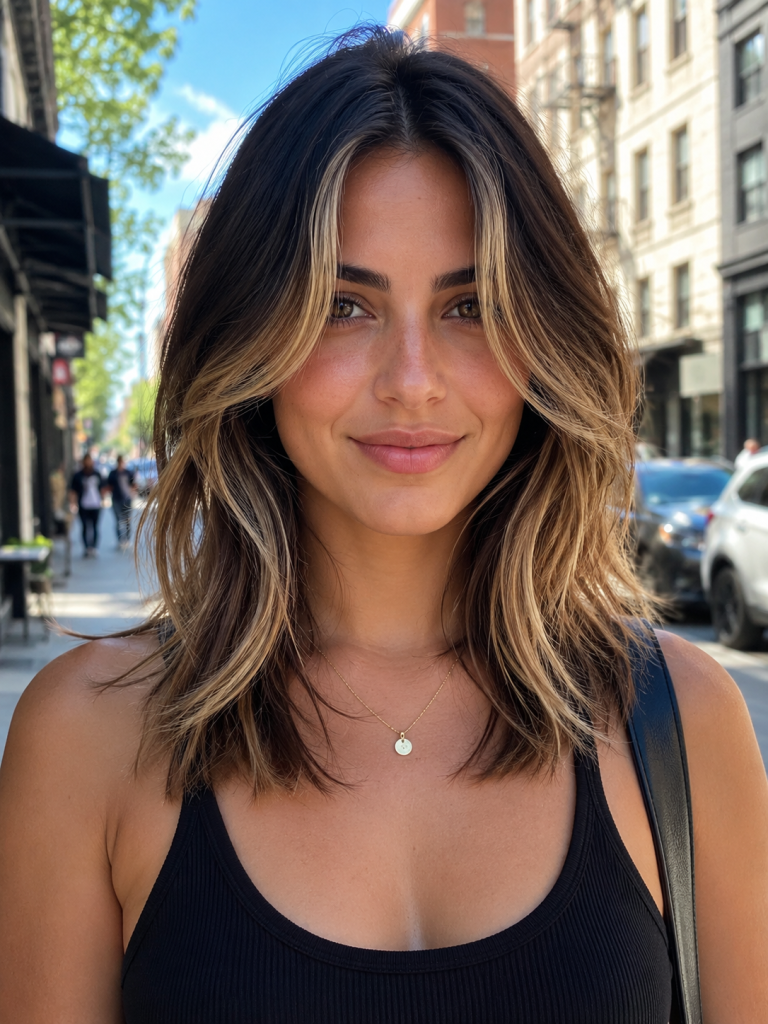
Face-framing pieces get noticeably lightened while the rest of the hair stays closer to its natural base, offering a bold but budget-friendly departure from full balayage. This placement draws the eye straight to the cut’s face-framing layers.
Wispy Bangs with Balayage Wolf Cut
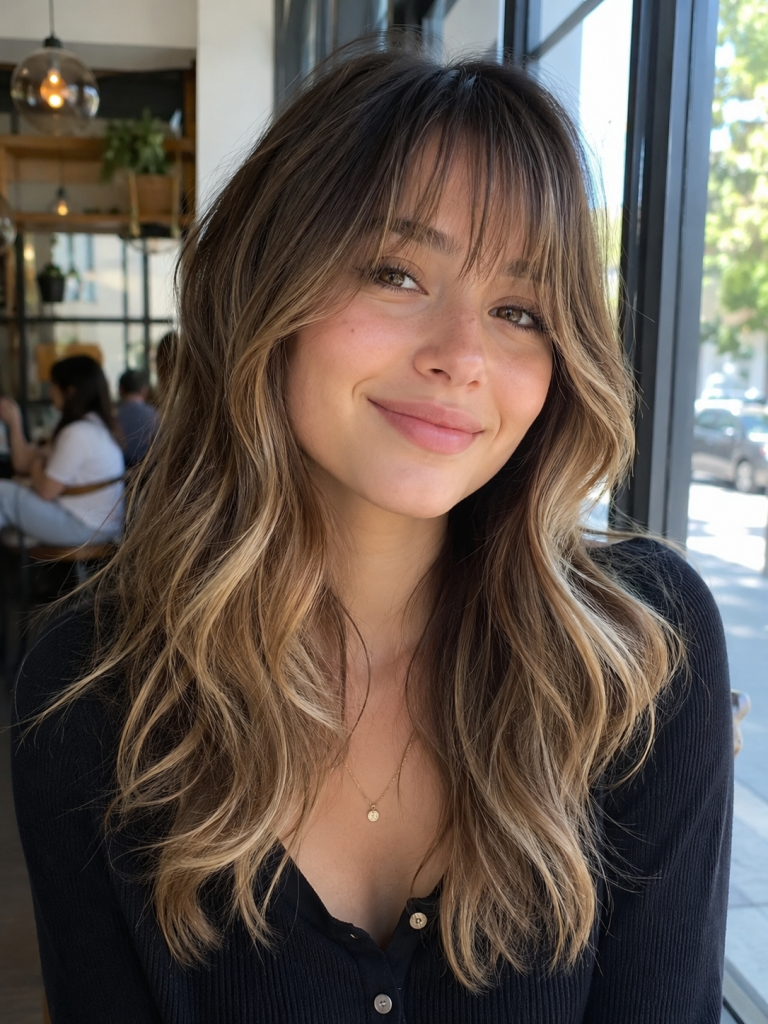
Soft, wispy bangs blend into balayage-lightened layers throughout the rest of the cut, softening the face while still showing off the color’s dimension. This pairing works well on most face shapes and needs only light styling to maintain.
Sun-Kissed Beige Balayage Wolf Cut
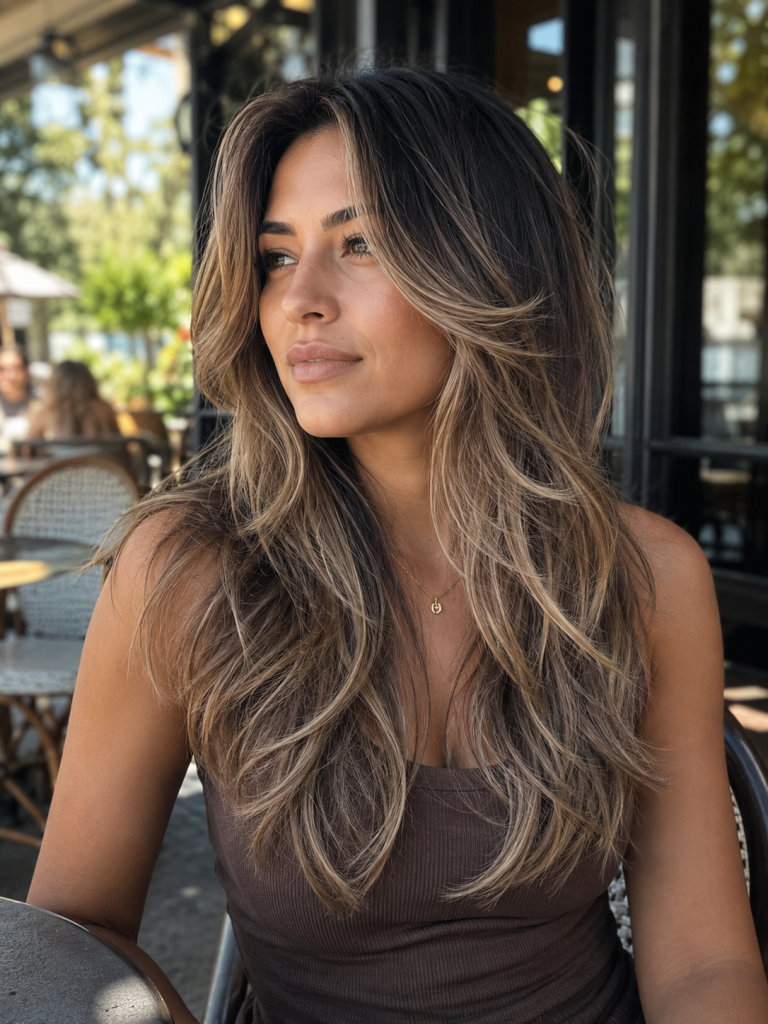
Neutral beige tones hand-painted throughout mimic natural sun-lightening without leaning too warm or too cool. This versatile shade suits a wide range of skin tones and grows out with minimal visible contrast at the root.
Cool-Toned Balayage Wolf Cut
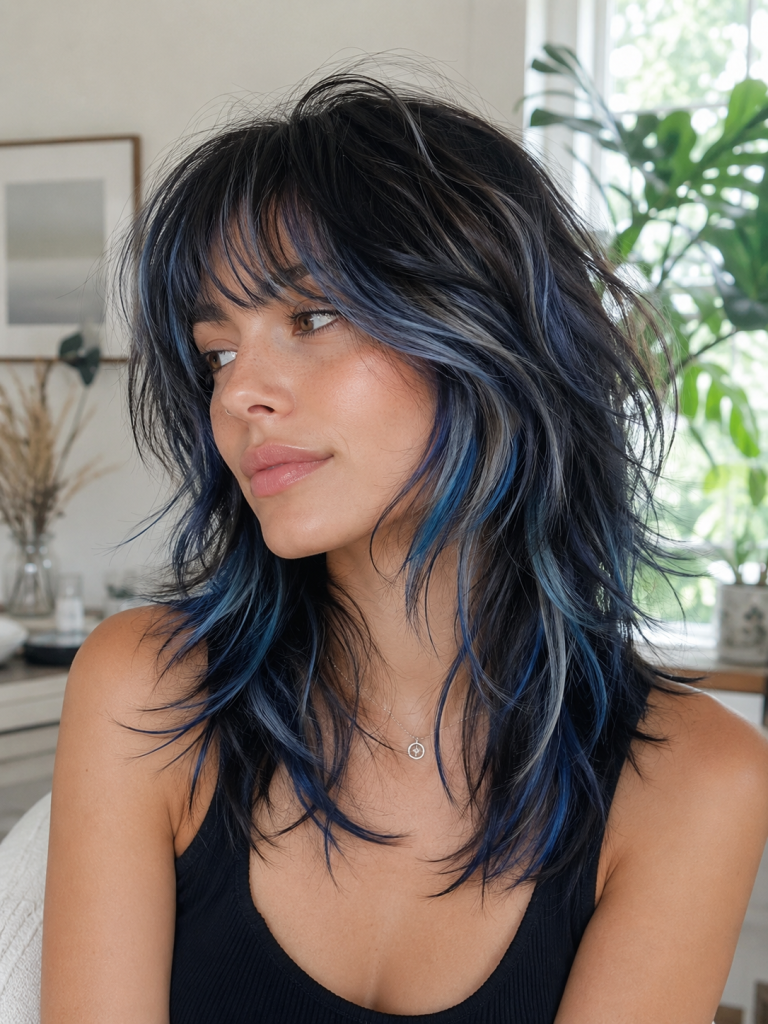
Blue or violet-based cool tones woven through the layers offer a more editorial, fashion-forward take on the trend. This shade needs regular toning to maintain its cool cast, since natural warmth tends to creep back in between salon visits.
