
Short hairstyles for thin fine hair can look fuller, sharper, and easier to manage when chosen with intention. The right cut does more than shorten length. It creates structure, controls flat areas, and adds movement without heavy styling. This guide focuses on practical choices, not trends that only work in photos. You will see why certain short hairstyles for thin fine hair hold shape better, suit everyday life, and stay manageable between trims. If your hair lacks density or drops flat fast, these styles are built to work with that reality, not against it.
Why Short Hairstyles for Thin Fine Hair Make Sense
Short hairstyles for thin fine hair reduce weight where hair collapses most. Fine strands bend easily, so long lengths pull volume down fast. Shorter cuts keep lift closer to the scalp, which helps hair hold shape longer. This matters if your hair goes flat by midday or struggles to keep a style without products.
Another reason short hairstyles for thin fine hair work is control. Fine hair shows uneven ends quickly, especially when overgrown. Short cuts create cleaner lines and clearer structure. That structure makes hair look thicker, even when the strand count stays the same. You spend less time fixing problem areas and more time wearing the style confidently.
Popular Short Hairstyles for Thin Fine Hair That Hold Their Shape
Textured Pixie for Thin Fine Hair
This pixie uses light texture on top to create lift without thinning the ends too much. It suits oval, heart, and smaller round faces because height balances softer features. Fine straight hair responds well to this shape since it does not rely on heavy layers. Daily styling stays simple, often just a light cream or paste.


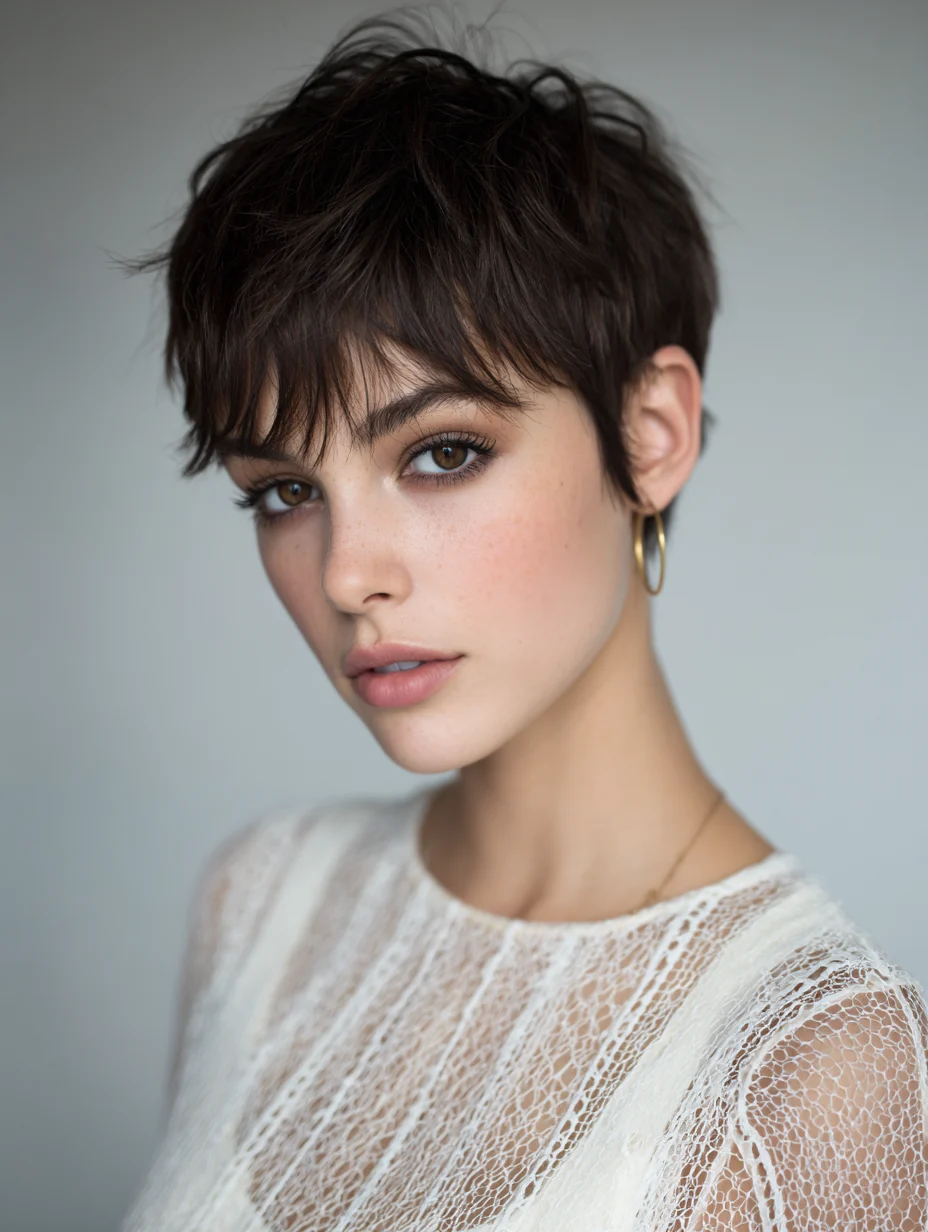

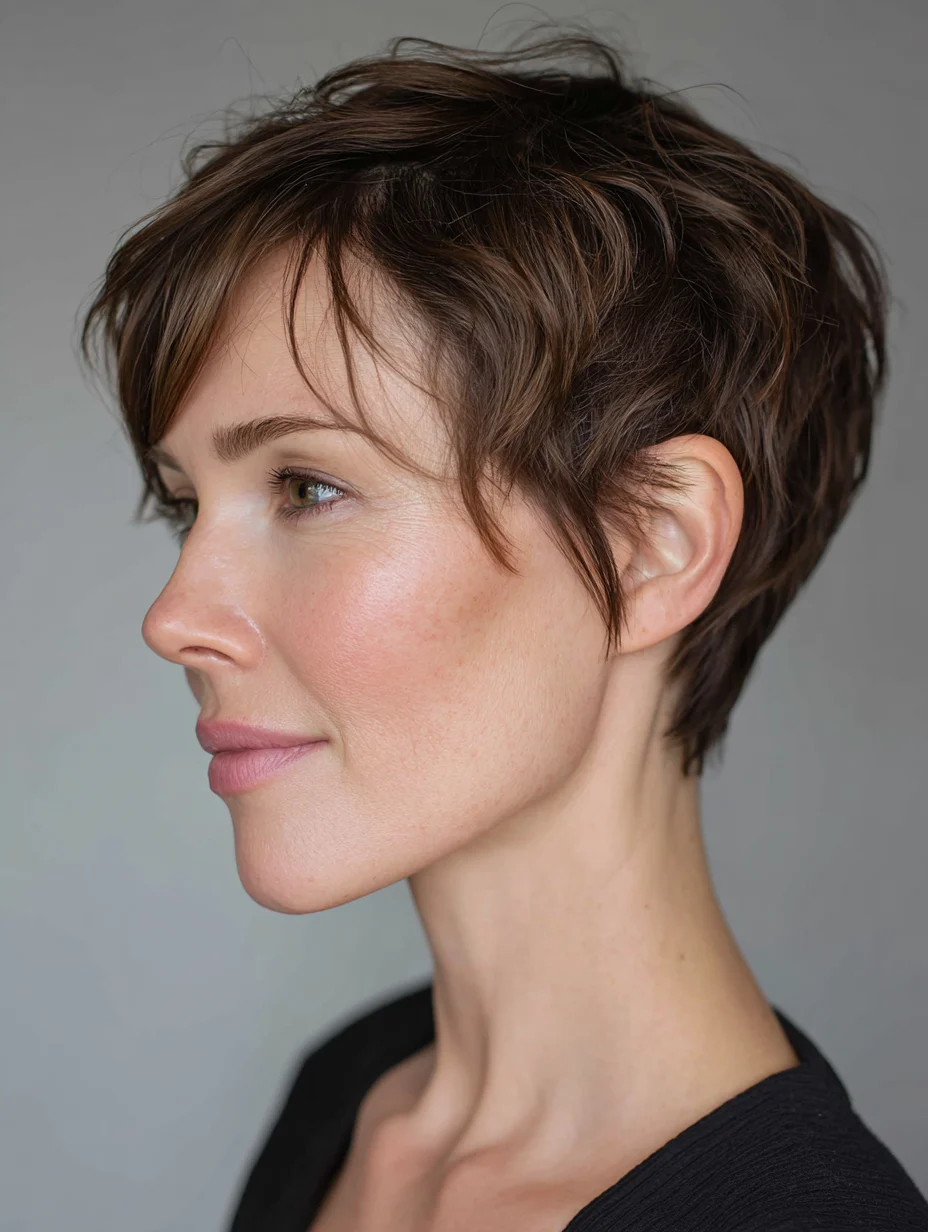

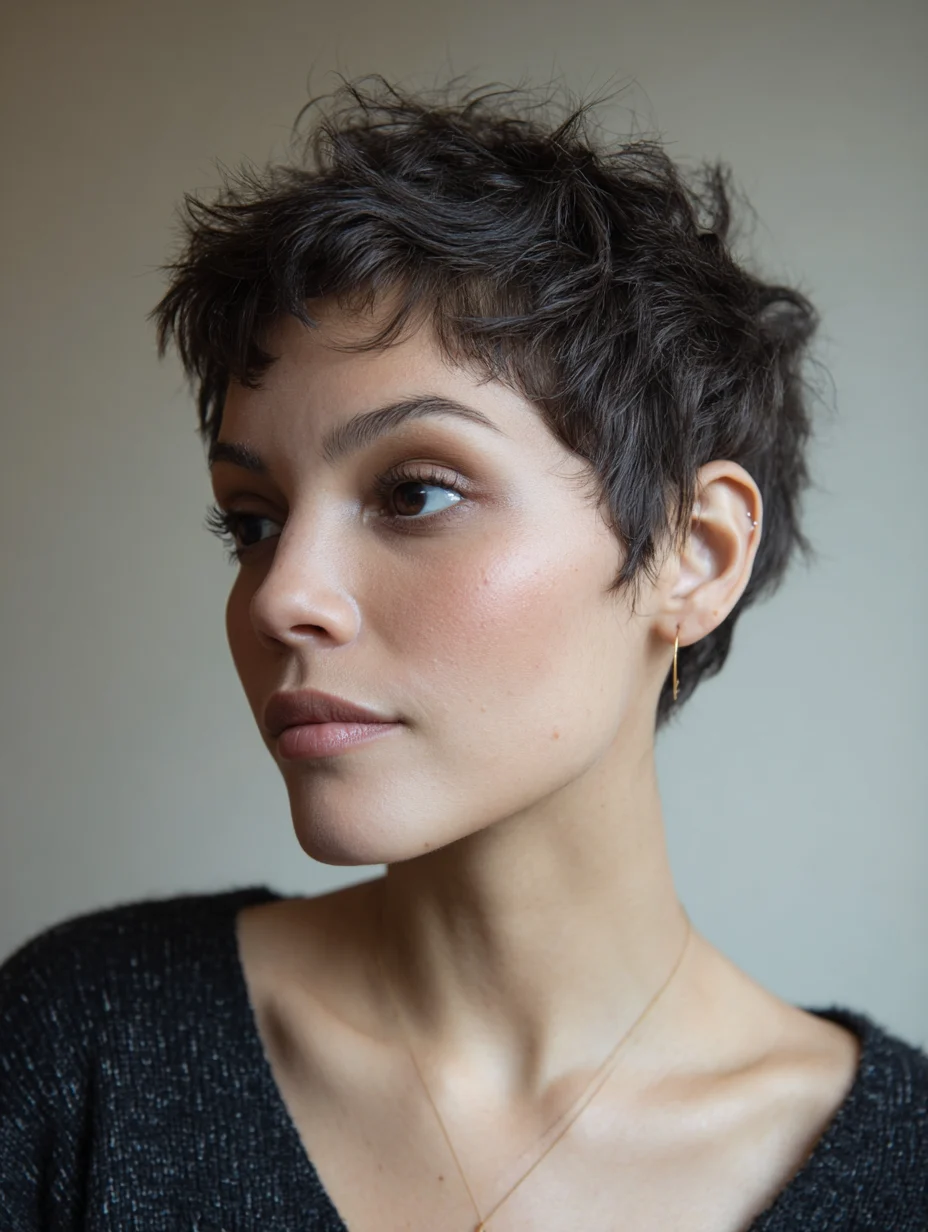
From a lifestyle angle, this cut works for busy schedules and low maintenance needs. Air drying still looks intentional, which matters when time is limited. Regular trims keep the silhouette sharp. It works well for professional settings and casual wear because it looks neat without appearing overstyled.
Soft Layered Bob for Thin Fine Hair
A soft layered bob keeps fullness at the perimeter while adding gentle movement inside. This balance helps fine hair avoid that see through look at the ends. It flatters square and round faces by softening angles and framing the jaw. Straight or slightly wavy textures benefit most from this shape.

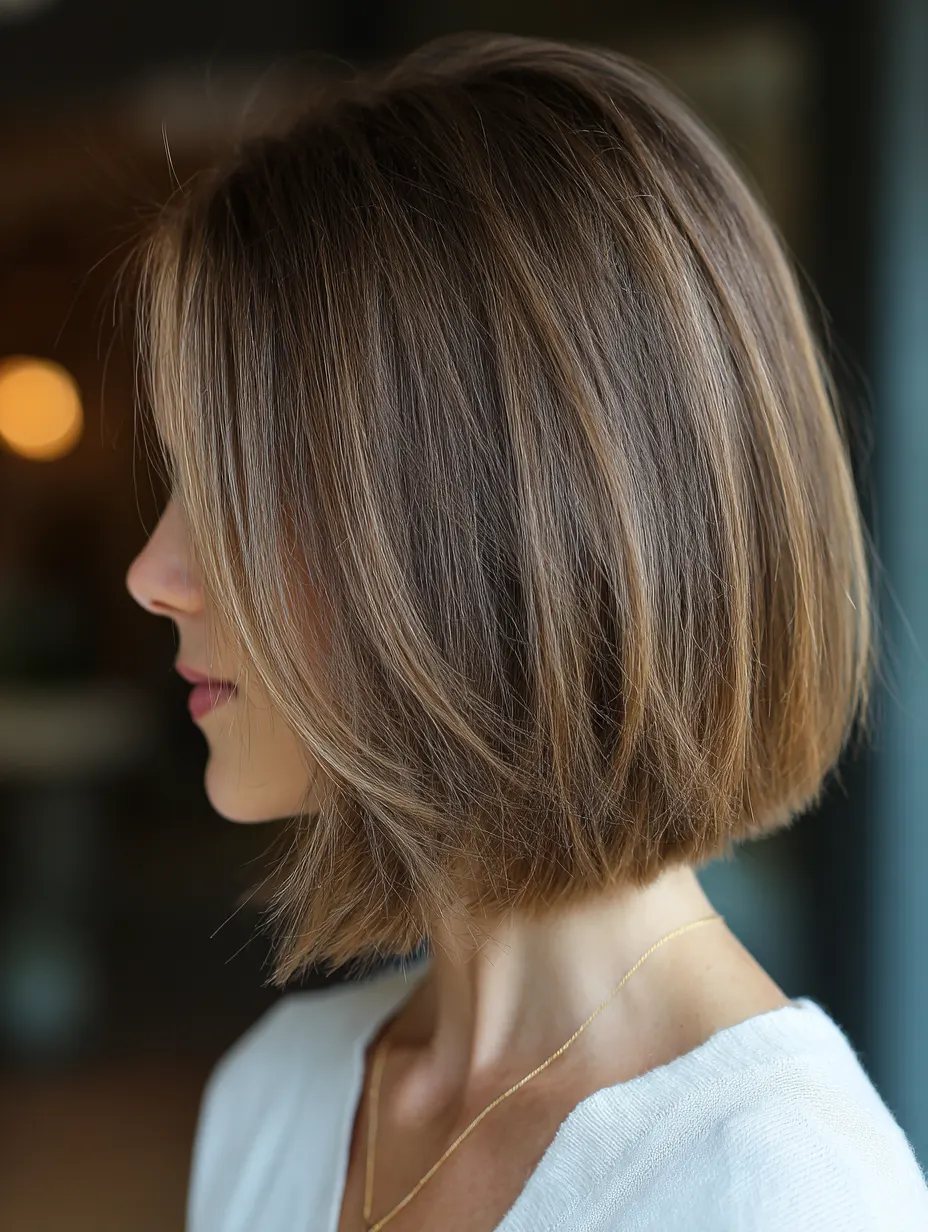
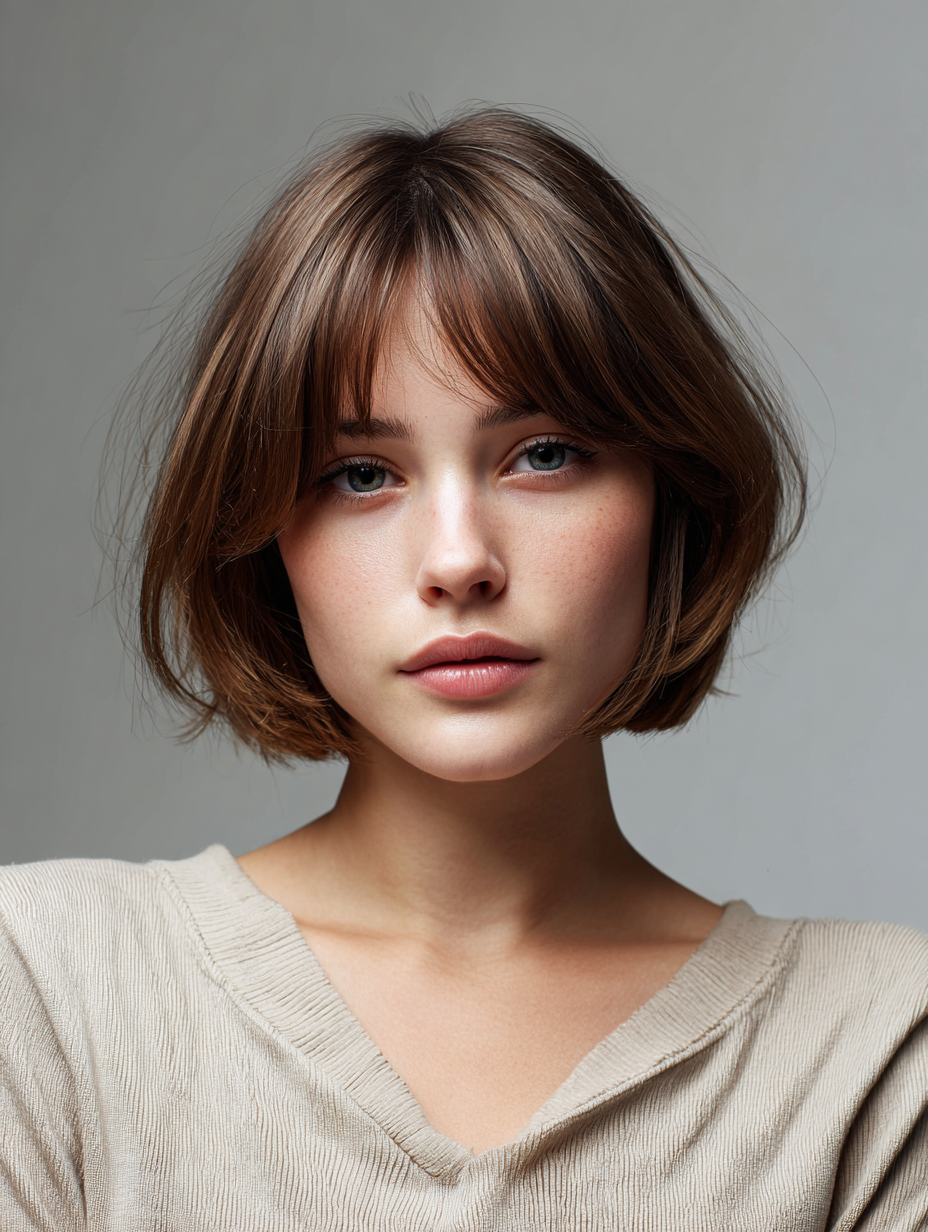
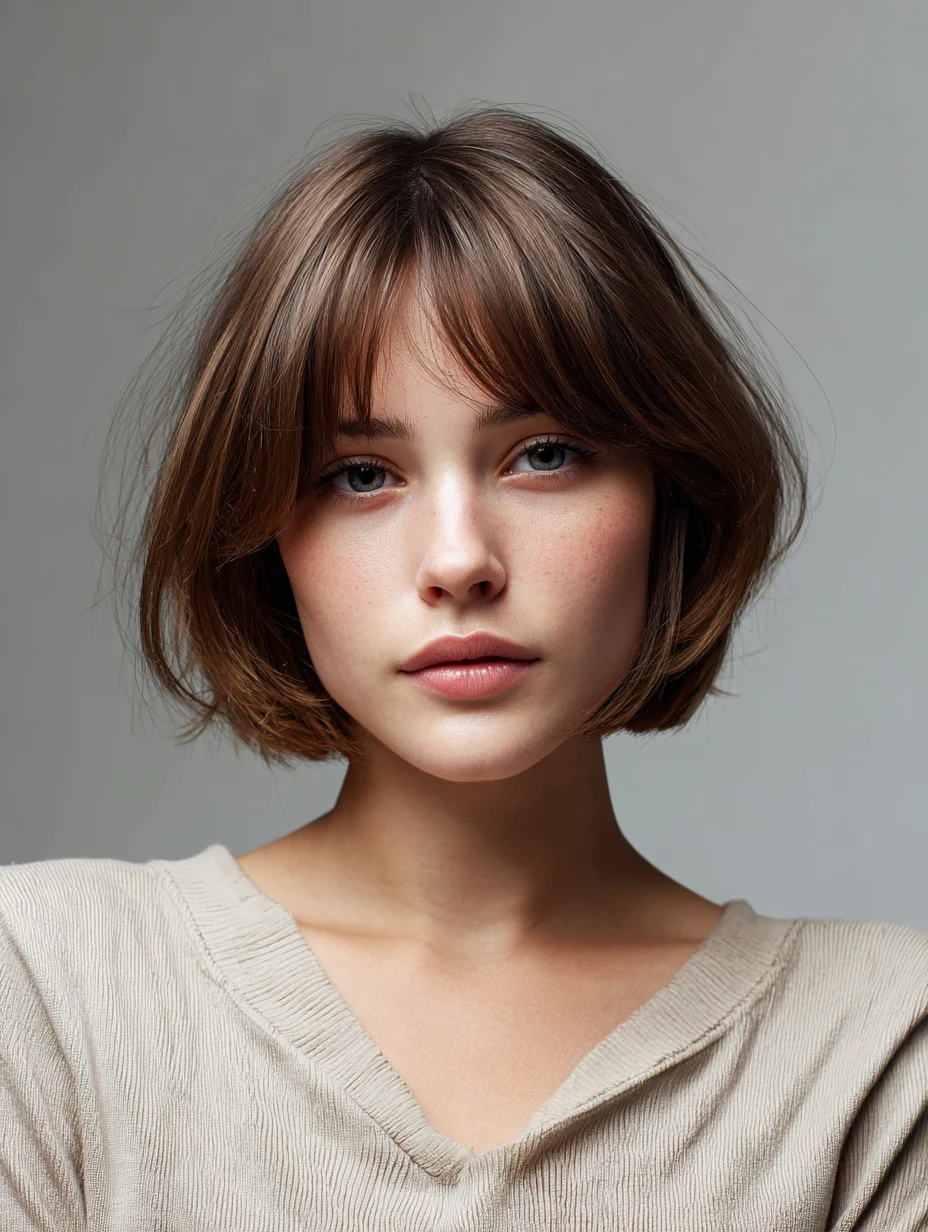

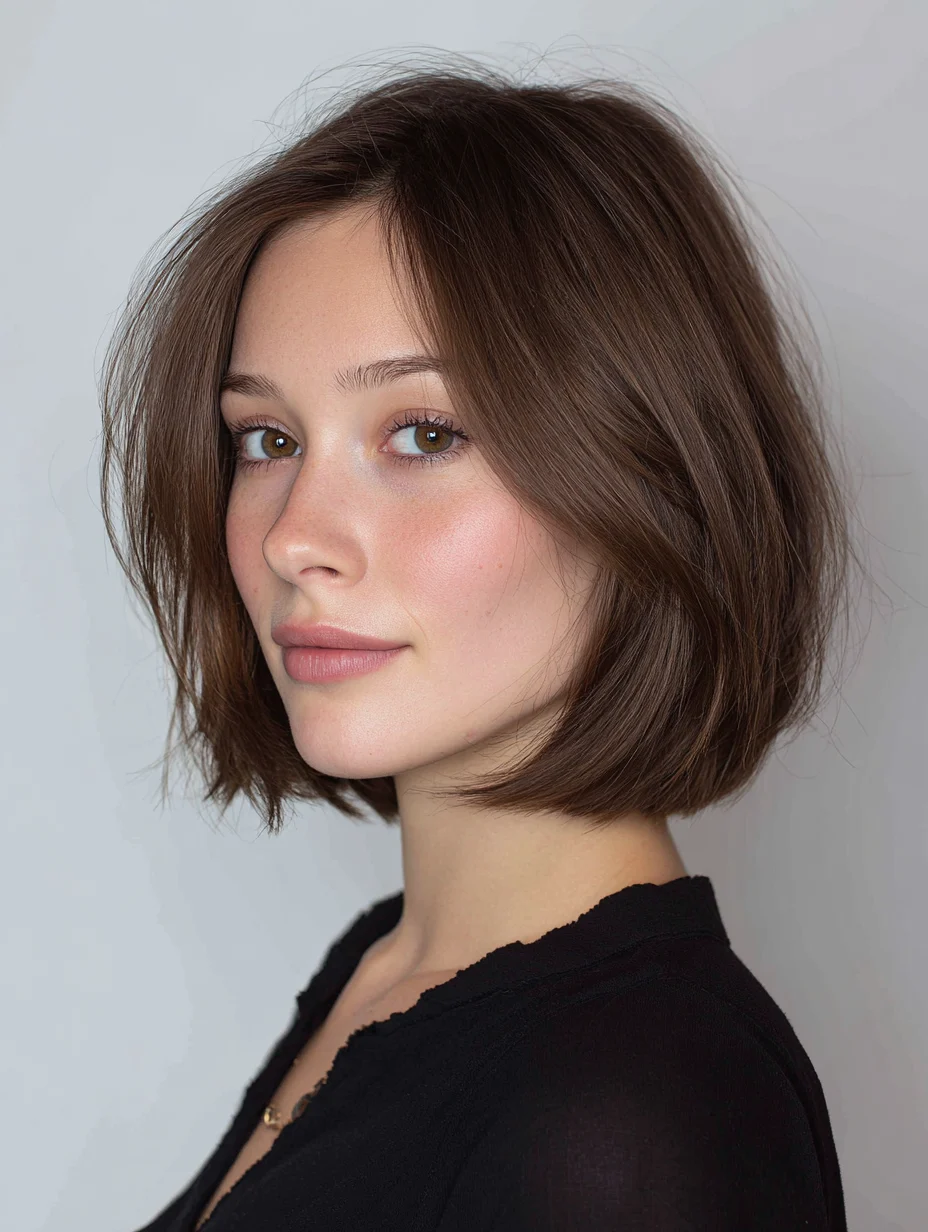

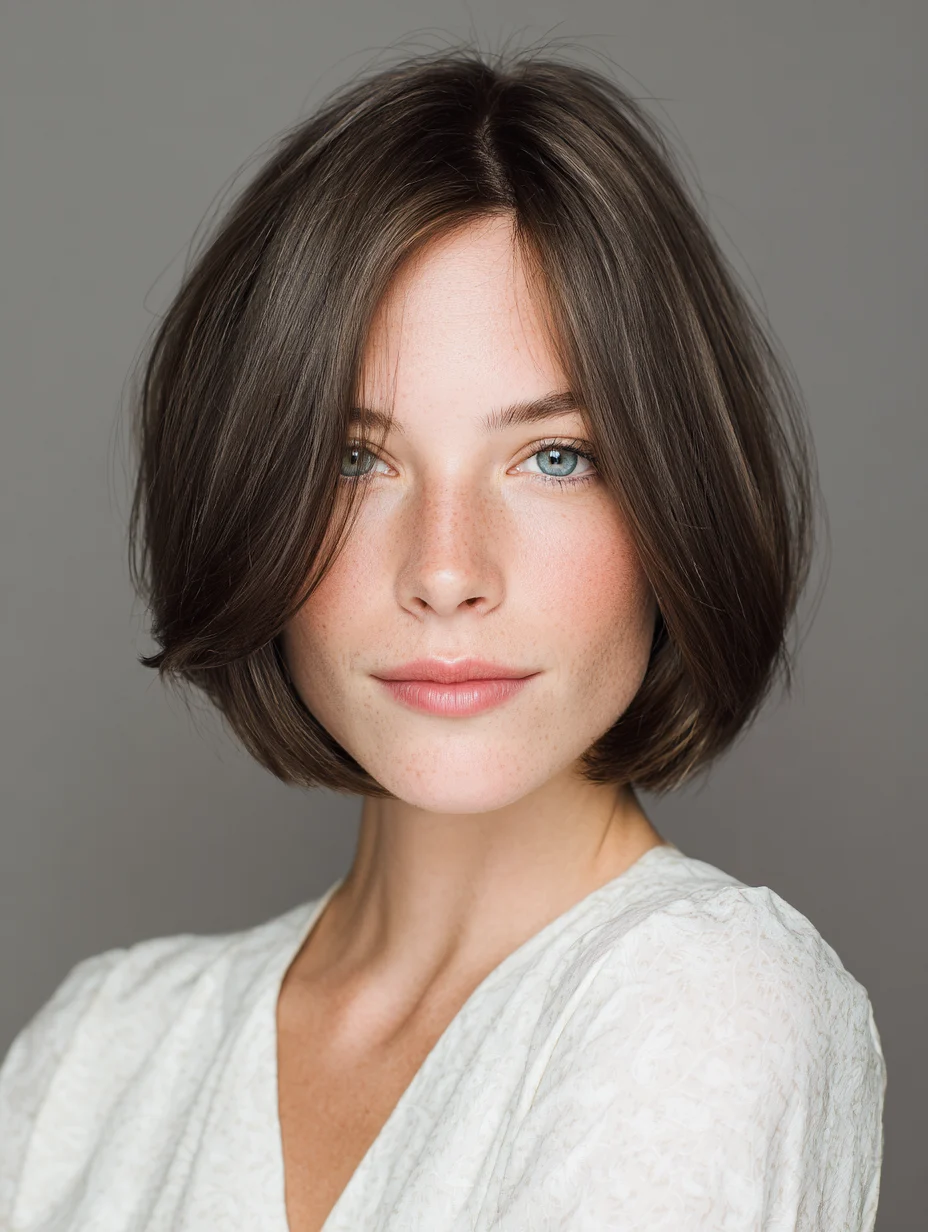
Maintenance stays reasonable because the layers are controlled, not choppy. Blow drying with a round brush adds volume fast, but air drying still works with light product. This style fits office life, daily errands, and social settings. It looks polished without feeling stiff or heavy.
Short Blunt Bob for Thin Fine Hair
A short blunt bob creates instant density by keeping the ends one strong length. Fine hair looks thicker when the perimeter stays solid instead of feathered. This style works well for straight hair and elongated or oval face shapes. It draws attention to clean lines and sharp detail.


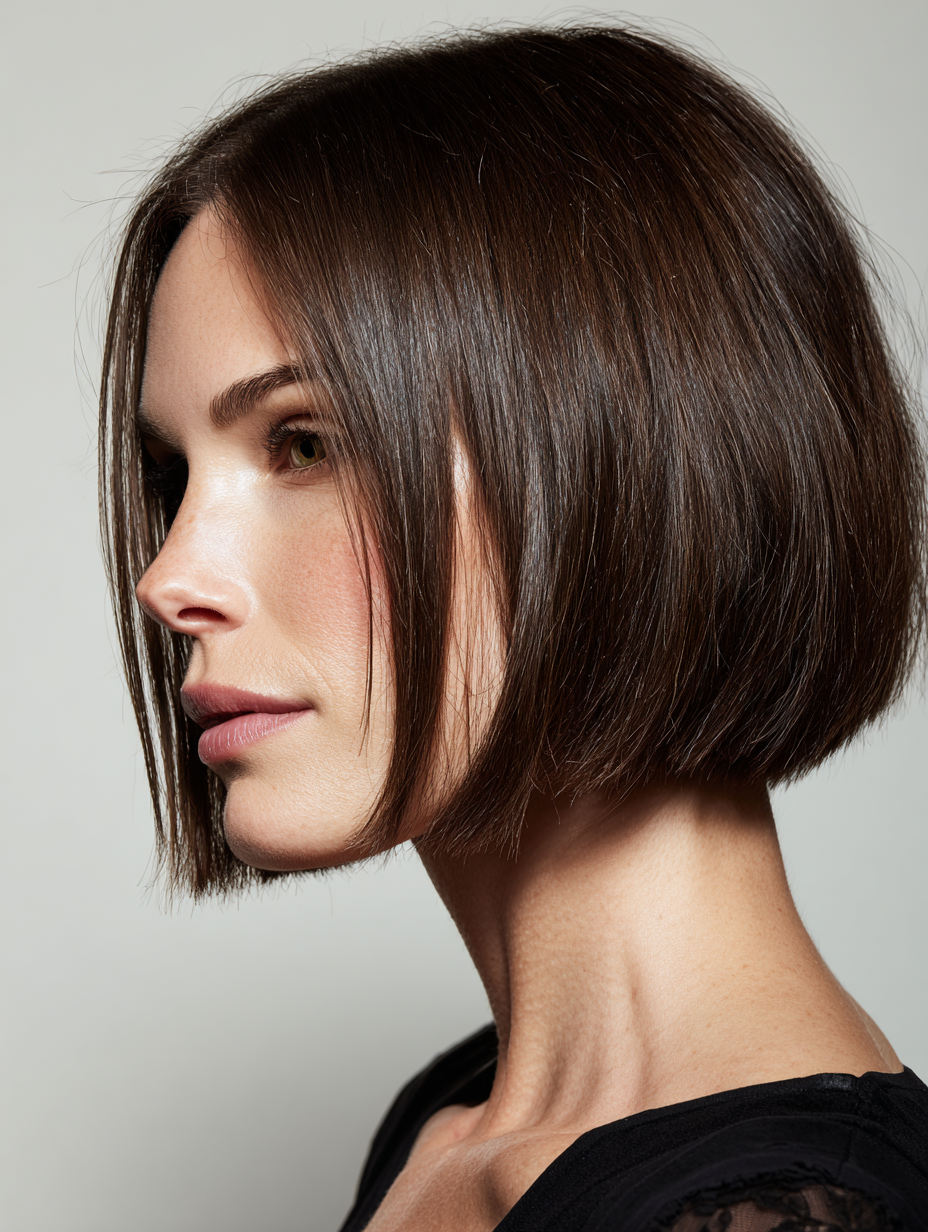


Styling stays straightforward and predictable, which many people prefer. A flat iron or smooth blow dry enhances the shape without extra steps. Maintenance involves regular trims, but daily effort stays low. This cut works best when you want a bold, clean look that does not rely on volume tricks.
Choppy Crop for Thin Fine Hair
A choppy crop uses uneven ends to create the appearance of thickness without removing too much bulk. This works well for fine hair that lies flat at the crown. The texture adds visual movement, which helps distract from low density. It suits oval and square faces especially well, adding softness without losing structure.


This style fits active lifestyles because it does not require perfect styling. A small amount of lightweight mousse or texturizing cream brings it to life. It grows out more forgivingly than blunt cuts. That makes it practical if you stretch time between trims or prefer a relaxed, undone finish.
Short Shag for Thin Fine Hair
A short shag builds volume through strategic layering around the crown and face. The layers encourage lift where fine hair usually falls flat. This style works best for straight to slightly wavy textures. It complements round and heart shaped faces by adding vertical movement and soft framing.


From a maintenance standpoint, this cut offers flexibility. You can air dry for a casual look or diffuse for added texture. Styling feels less rigid, which suits creative or casual environments. It works well if you want shape and personality without committing to daily heat styling.
Tapered Pixie Bob for Thin Fine Hair
The tapered pixie bob blends short structure in the back with soft length around the face. This balance helps fine hair look fuller while keeping styling easy. It flatters longer face shapes and defined cheekbones. Straight fine hair benefits because the taper prevents the back from collapsing.


This cut suits people who want versatility without extra effort. You can wear it sleek or slightly tousled with minimal product. Maintenance stays moderate, with trims focused on keeping the back clean. It works well for professional settings while still feeling modern and wearable.
How to Make Short Hairstyles for Thin Fine Hair Look Their Best
Focus on clean structure and lightweight products. Heavy creams and oils flatten fine hair fast. Choose mousses, sprays, or light pastes instead. Keep trims consistent so ends stay sharp and intentional. Blow dry at the roots first to build lift, then style the rest. Avoid over layering, which can make thin fine hair look sparse instead of full.
Final Thoughts on Short Hairstyles for Thin Fine Hair
Short hairstyles for thin fine hair work best when they respect what your hair can and cannot do. The goal is not volume at all costs. It is balance, shape, and ease. When the cut does the work, styling becomes simpler and more predictable.
Think about how much time you want to spend styling each day. Do you prefer polished or relaxed finishes. Which face features do you want to highlight. Which of these short hairstyles for thin fine hair feels closest to how you actually live.