
Softball hair has to survive a batting helmet, a cap, sprint speed, and however many times you slide into a base. Coaches and team parents who’ve dealt with mid-inning hair meltdowns say the real test isn’t how a style looks walking to the field, it’s whether it’s still intact by the fifth inning. The styles that actually hold up share a few things in common: they sit low enough for a helmet, they’re braided or twisted rather than just tied, and they don’t rely on a lot of loose pieces that work themselves free.
Classic Braided Ponytail
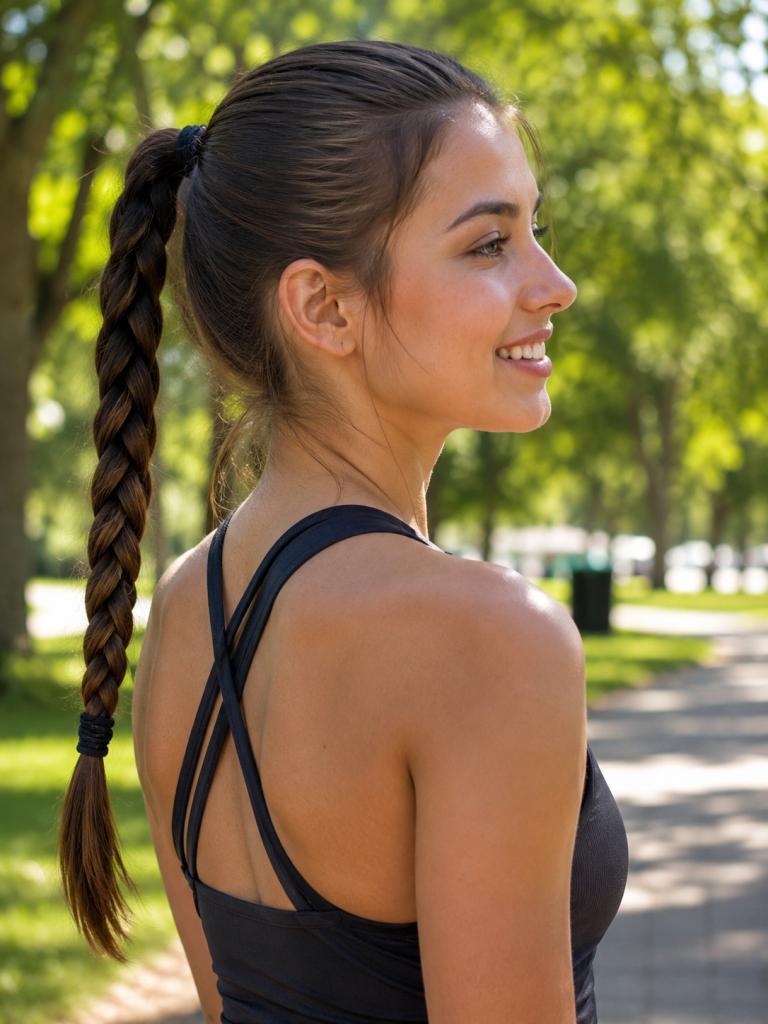
A ponytail gets braided from the base to the very end, keeping hair contained and preventing the whipping motion that comes with running. Secure the end tightly with a small elastic. This is a genuinely reliable go-to for a full game since braided hair tangles far less than a loose ponytail.
Double French Braids
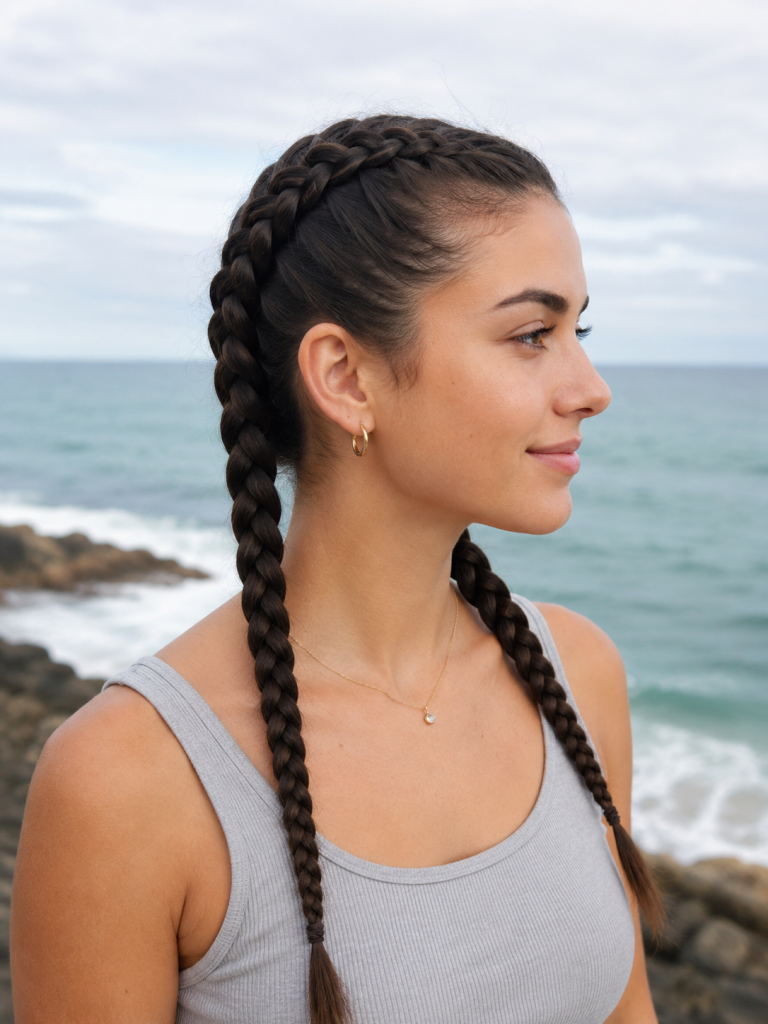
Two French braids running from the hairline to the nape distribute hair evenly and sit flat enough to fit comfortably under a helmet. Braiding close to the scalp on both sides prevents any bulk that could shift a helmet’s fit. This style holds up especially well through multiple games in one day.
Low Dutch Braid
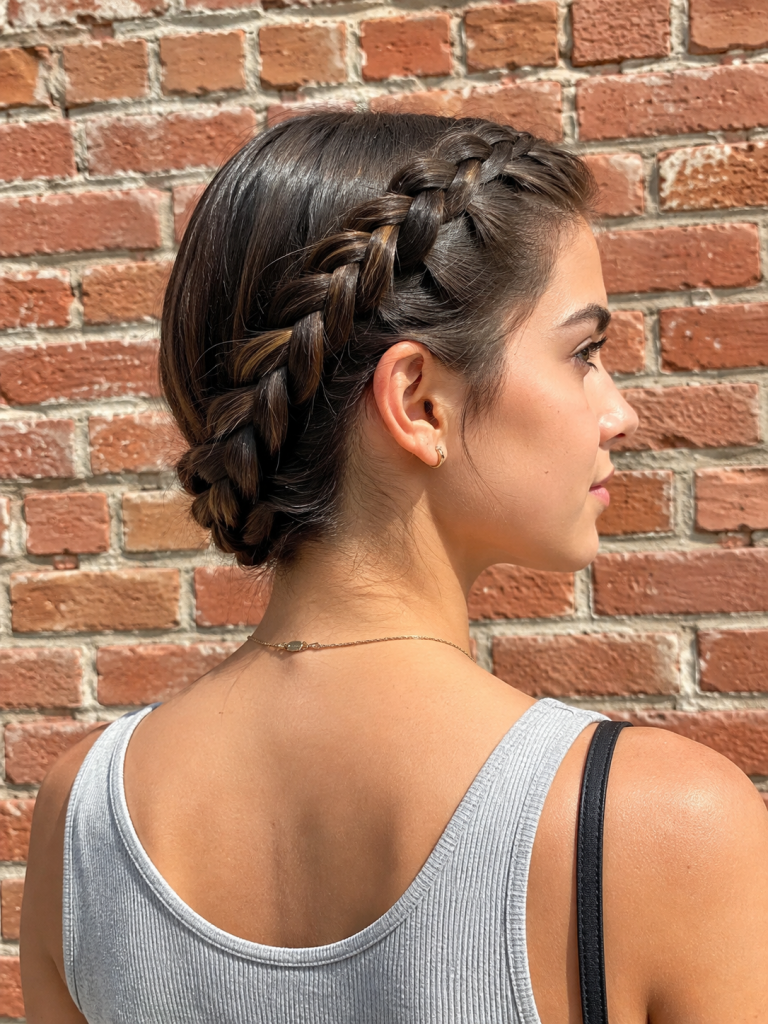
A single Dutch braid running low along the back of the head keeps hair secure without adding height that interferes with a cap or helmet. The raised braid pattern also holds tighter than a standard braid through hours of movement. Tuck and pin the end for extra security.
Sporty High Ponytail with Braid Wrap
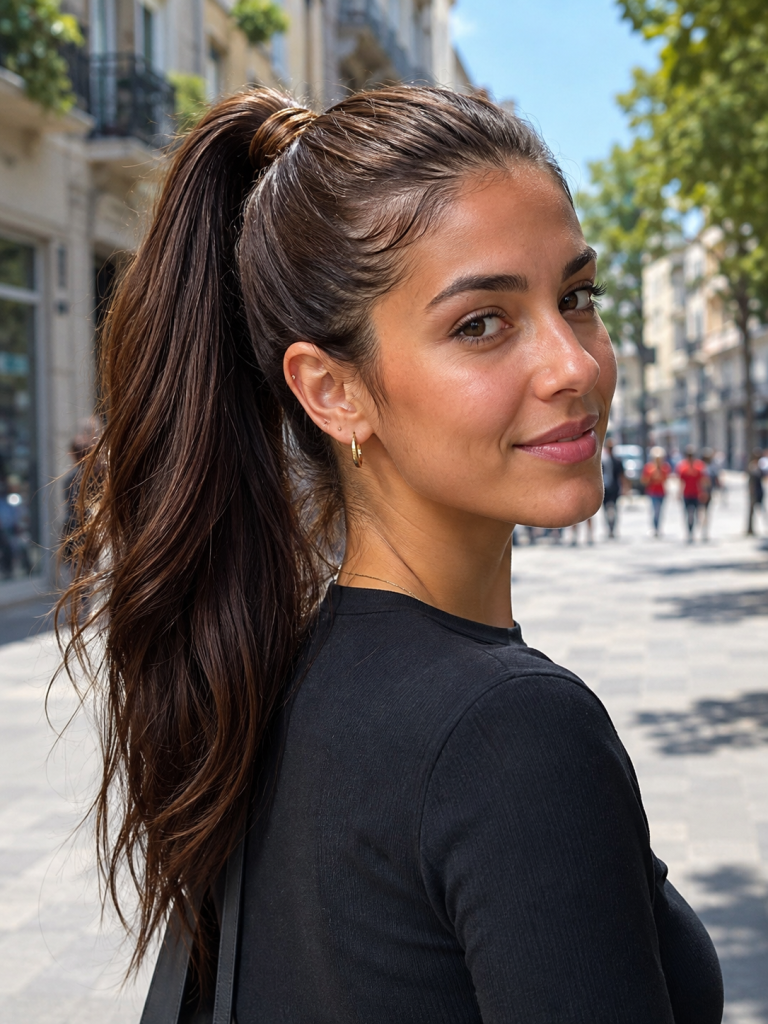
A high ponytail gets a small section wrapped around its base, hiding the elastic and adding extra hold against the constant motion of running and swinging. This works well for players who prefer a ponytail’s simplicity but need more security than an elastic alone provides.
Braided Half-Up Style
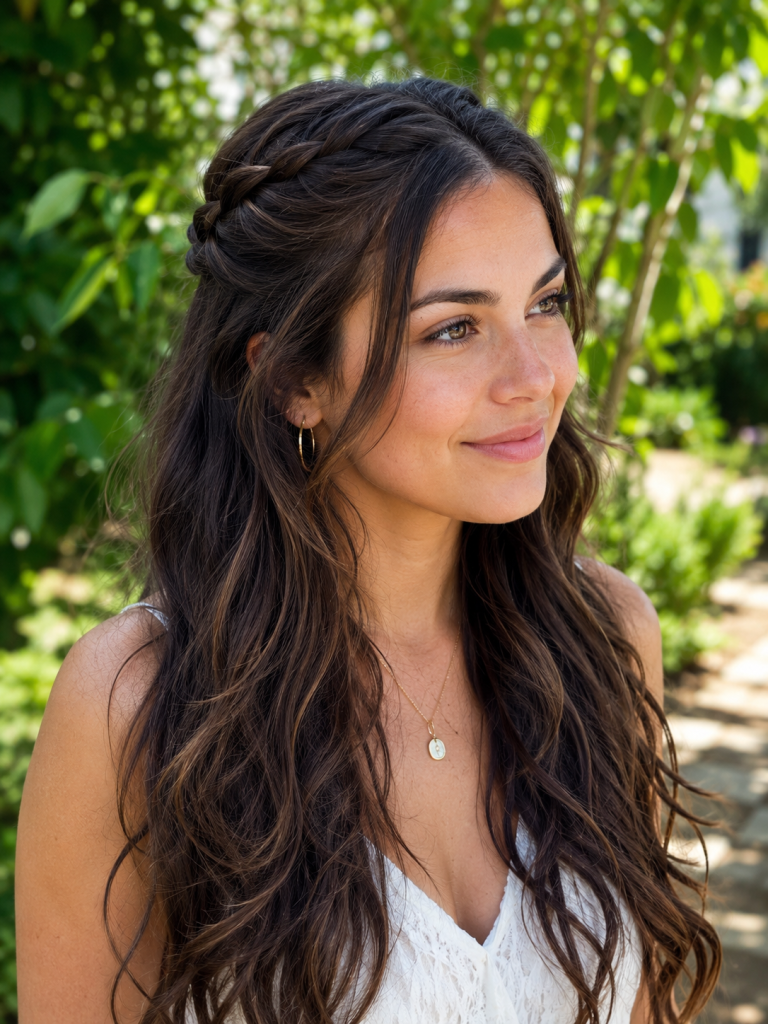
A single braid gathers the top section back while the rest of the hair stays down, keeping bangs and face-framing pieces out of the eyes during play. This suits players who don’t want a full updo but still need hair controlled around the face for batting and fielding.
Two Low Braided Pigtails
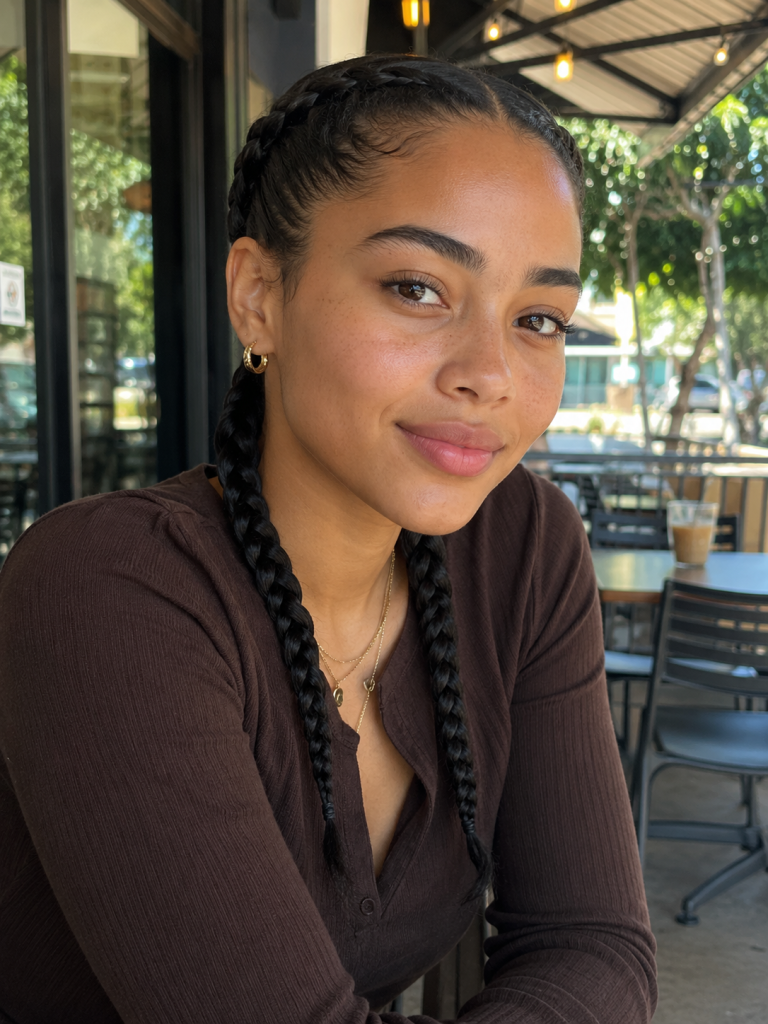
Two low, tight braids sit close to the head on either side, distributing weight evenly and staying comfortable under a helmet for extended wear. This style works especially well for younger players since it’s simple to redo quickly between innings if needed.
Fishtail Braid Ponytail
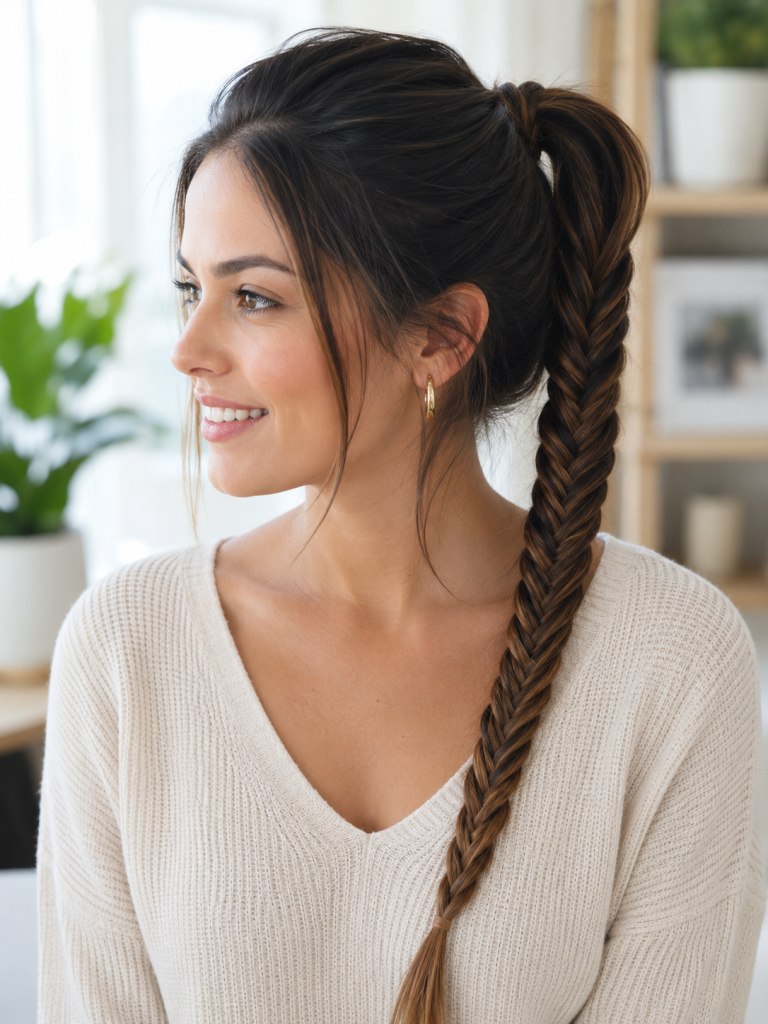
A fishtail braid replaces a standard braid down the ponytail’s length, holding slightly tighter and looking a bit more finished for tournament days. Secure the end well, since fishtail braids can loosen faster during high-intensity movement than three-strand braids.
Low Bun
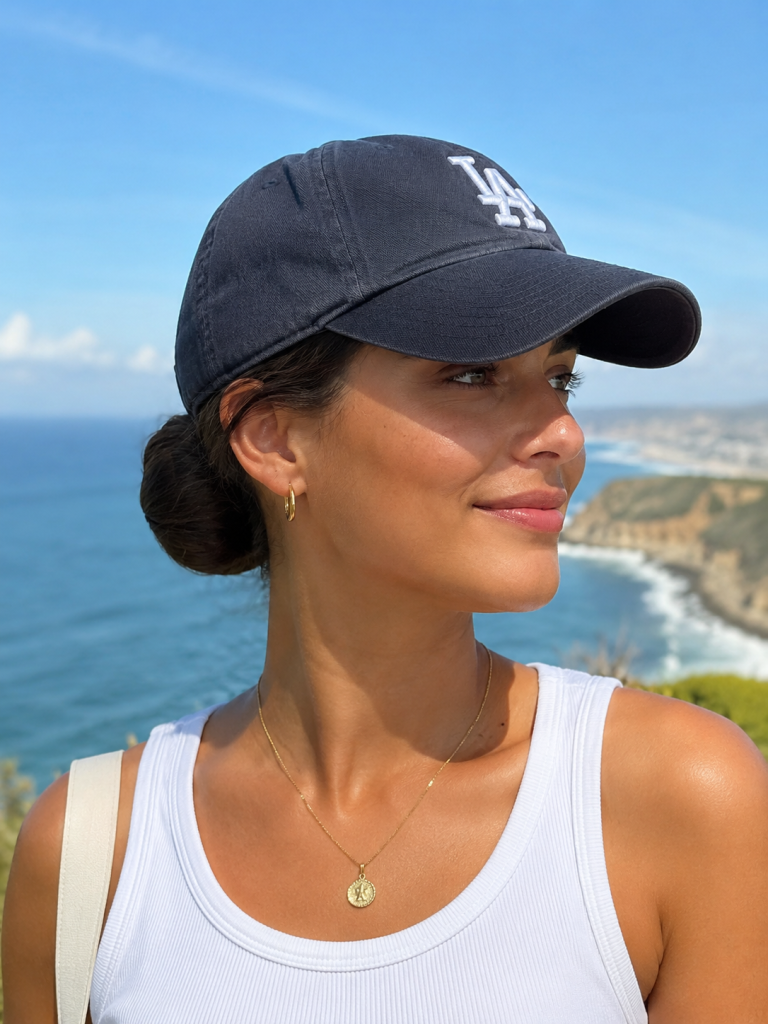
Hair gathers into a tight, low bun sitting comfortably beneath both a cap and a batting helmet without adding bulk at the crown. Wrap the elastic several times for maximum hold. This is one of the most helmet-friendly options for players who find braids time-consuming before early games.
Braided Bun Combo
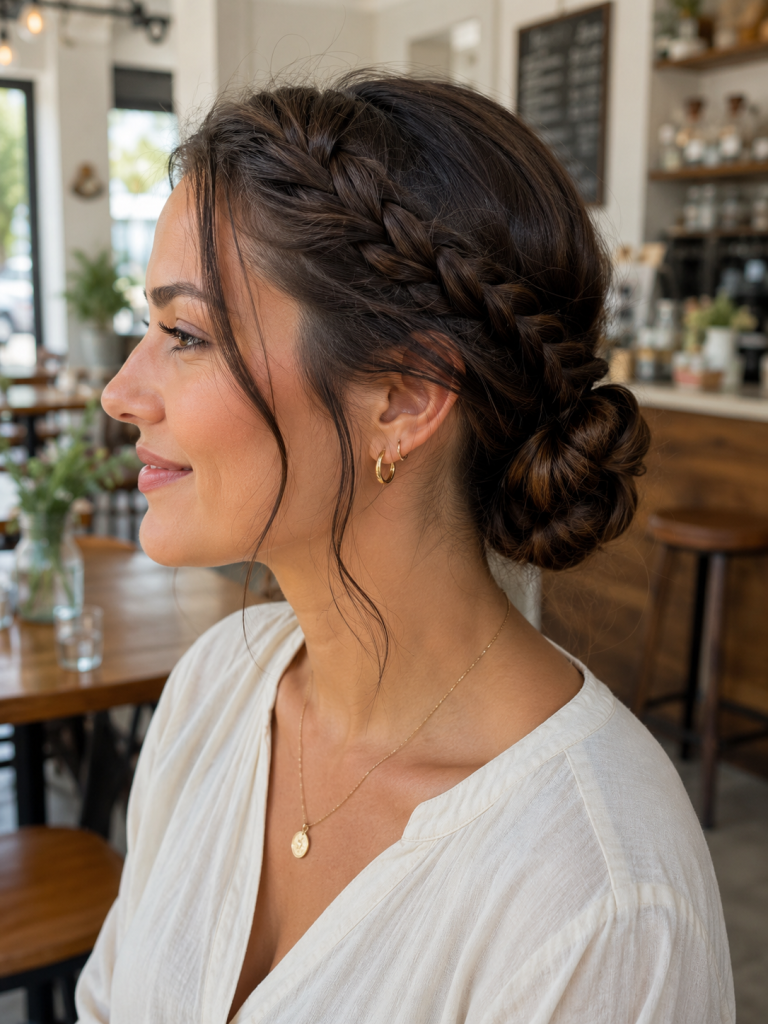
A braid transitions directly into a low bun at the nape, combining two secure techniques for players with very thick or long hair that a bun alone might not fully contain. Bobby pins around the edges add insurance against loose strands working free during play.
Space Buns
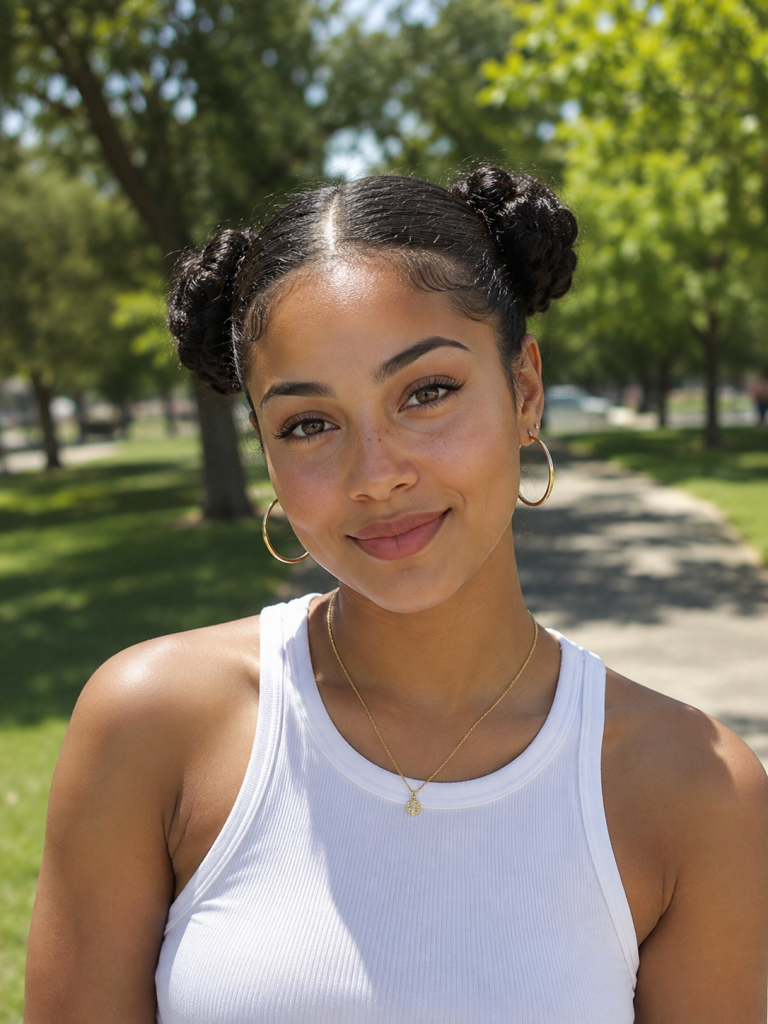
Two low, tight buns positioned on either side of the head keep hair split and secure while staying compact enough for helmet wear. This style holds up remarkably well through diving catches and base slides. Wrap hair tightly around the base of each bun to prevent slipping.
Cornrows
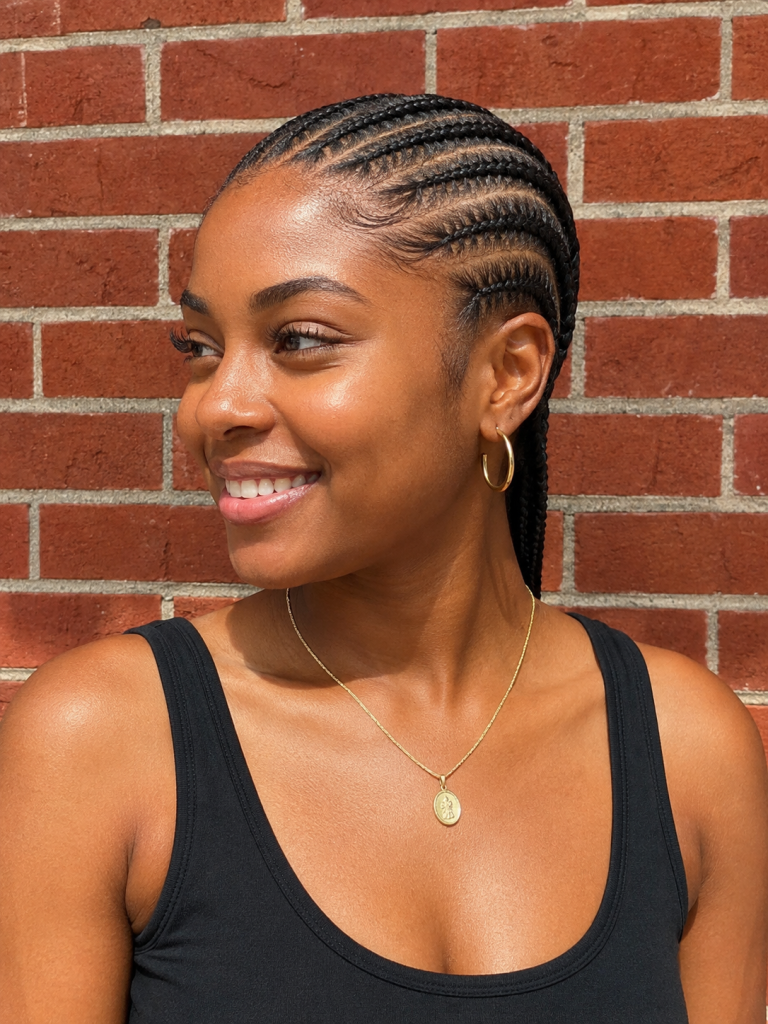
Straight-back cornrows sit completely flat against the scalp, offering some of the most durable protection against repeated helmet friction across a full tournament weekend. A stylist experienced in cornrows should handle the initial styling for the cleanest, most secure result.
Braided Crown
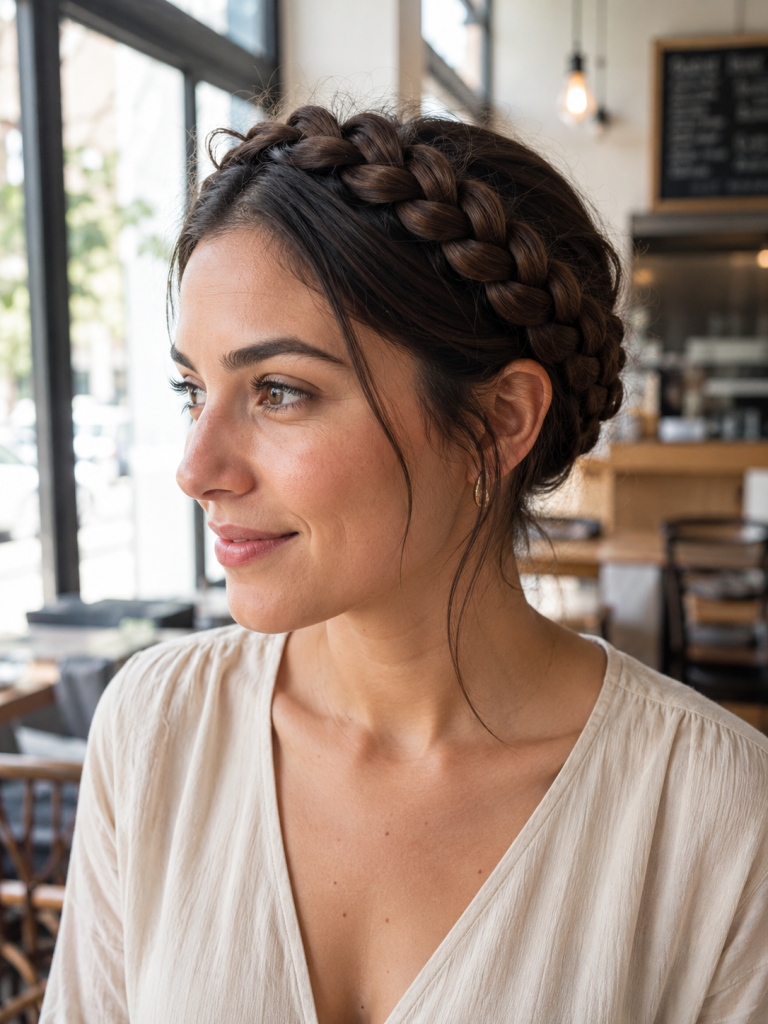
A single braid wraps around the head like a crown, keeping every strand tucked securely away from the face throughout the game. Pin the ends flat underneath for the most secure hold. This style looks polished for team photos while still holding up through active play.
Twisted Ponytail
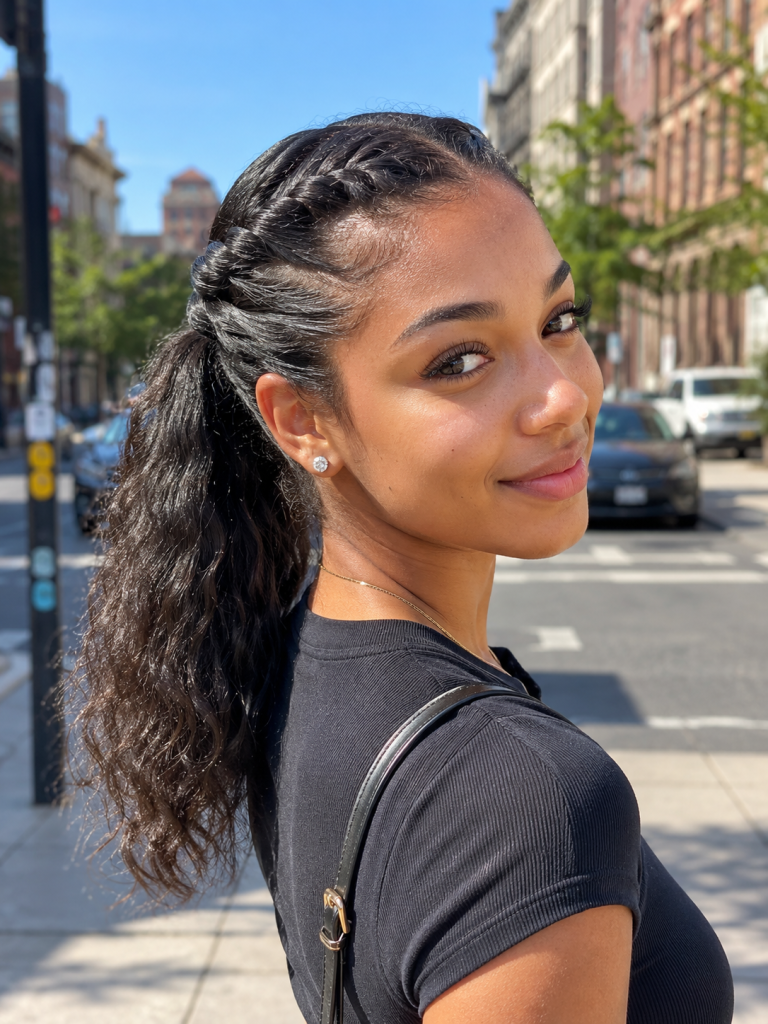
Two sections twist around each other before gathering into a ponytail, adding texture and extra hold compared to a plain elastic alone. This is a quicker alternative to a full braid for players short on time before early morning games.
Low Ponytail with Elastic Wraps
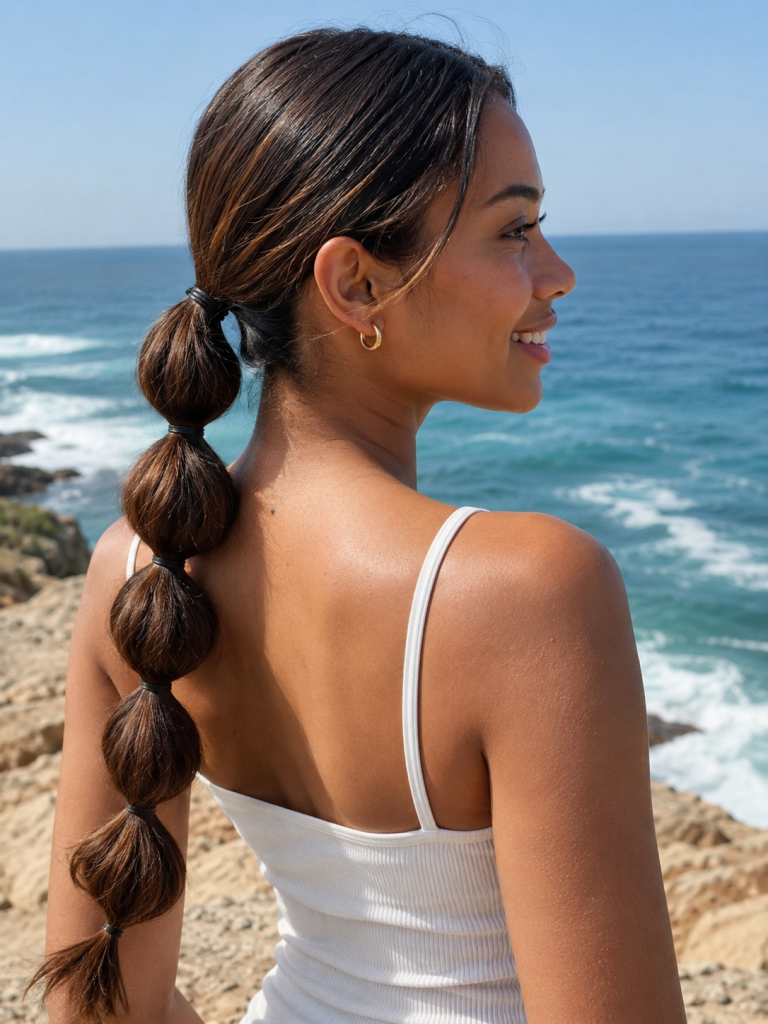
A low ponytail gets sectioned with a few additional small elastics spaced down its length, reducing how much hair can come loose during a single play. This works especially well for very fine hair that tends to slip out of a single elastic quickly.
Milkmaid Braids
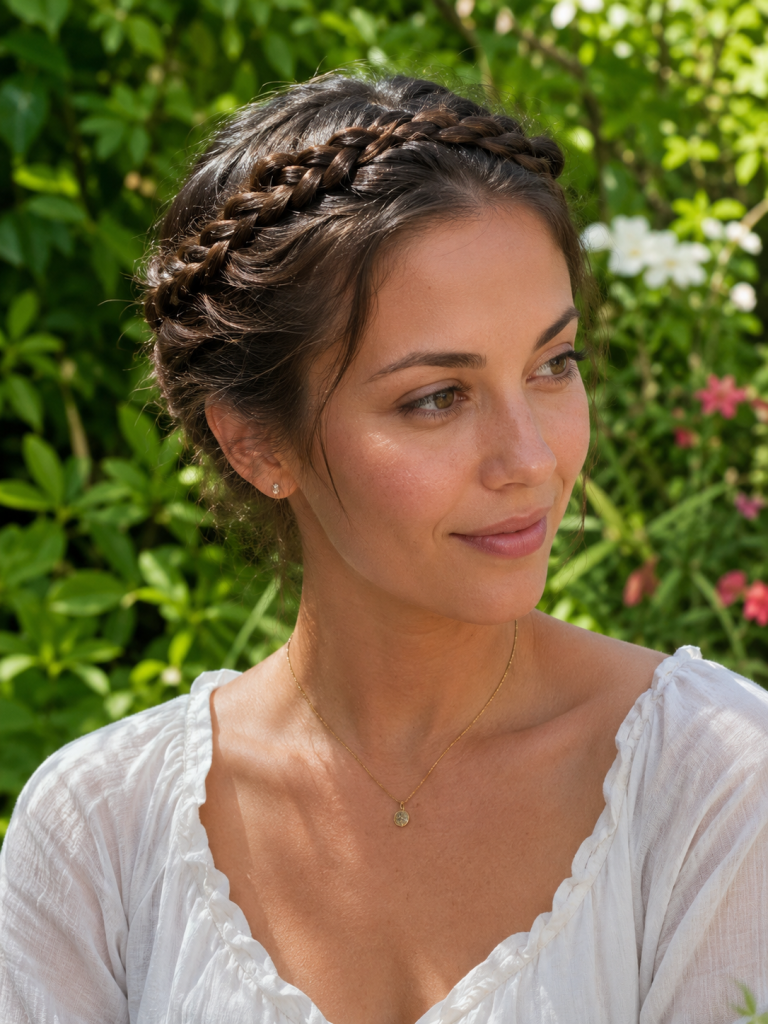
Two braids cross over the crown and pin securely into place, keeping hair fully off the face and neck for players who prefer a more polished look on tournament days. This takes more time than a simple braid but holds exceptionally well through extended wear.
Braided Ponytail Wrap
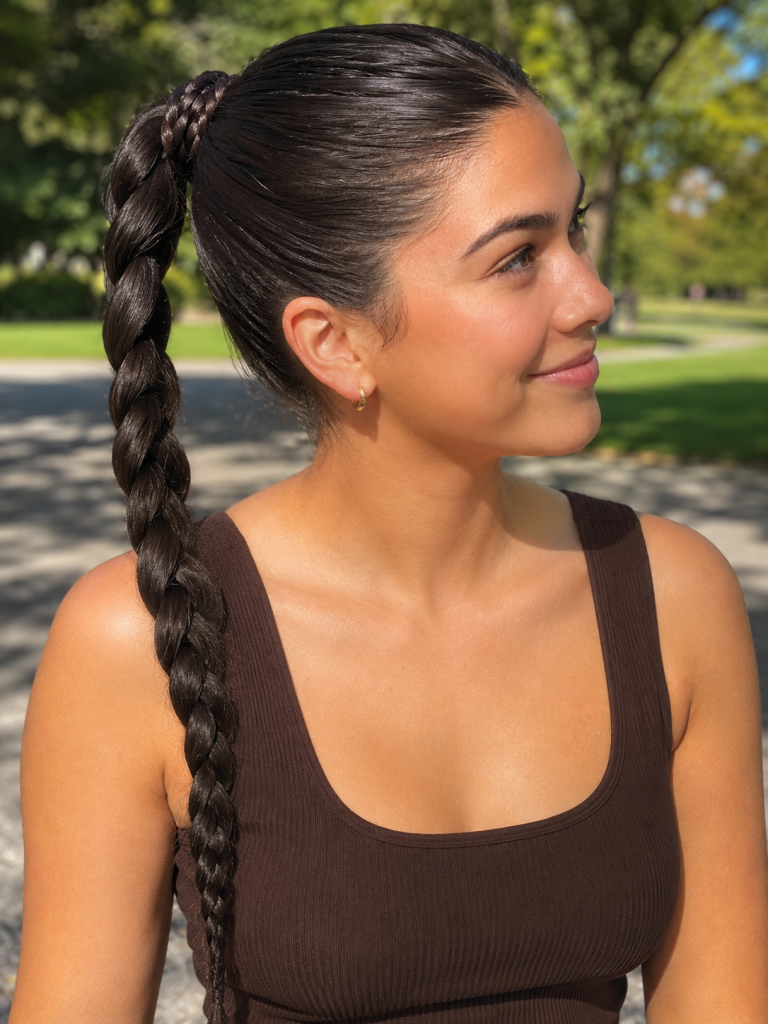
A ponytail gets braided from base to end, then wraps around itself to hide the elastic completely. This adds serious security against the elastic slipping loose while running, making it a solid choice for double-header days.
Slicked Back Ponytail
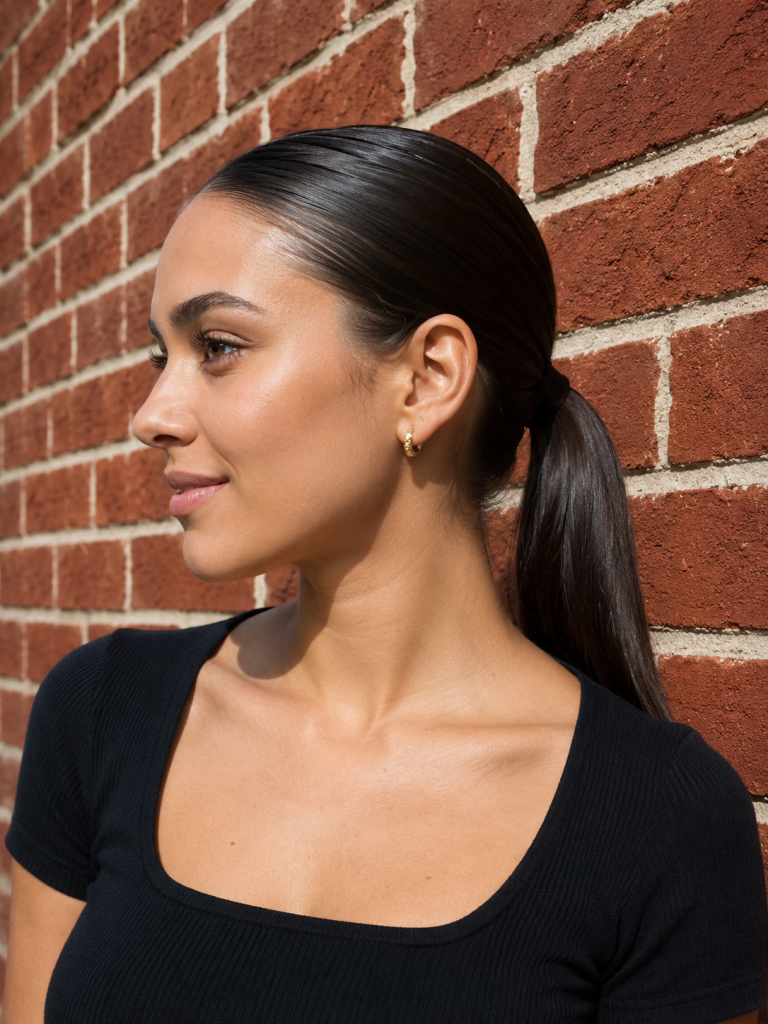
Hair combs back smoothly with a strong-hold gel before gathering into a tight, low ponytail. This style resists flyaways and frizz far better than looser options, holding its shape reliably through an entire tournament day in the heat.
