
The mullet wolf cut pushes further into “business in the front, party in the back” territory than a standard wolf cut ever does. Where a classic wolf cut layers texture evenly through the crown, this hybrid keeps the front and sides noticeably shorter and lets real length drop at the nape. It’s a bolder statement, closer to true mullet energy with wolf cut texture layered on top. Here are 20 ways stylists are cutting this look right now.
Tapered Wolf Mullet with Faded Sides
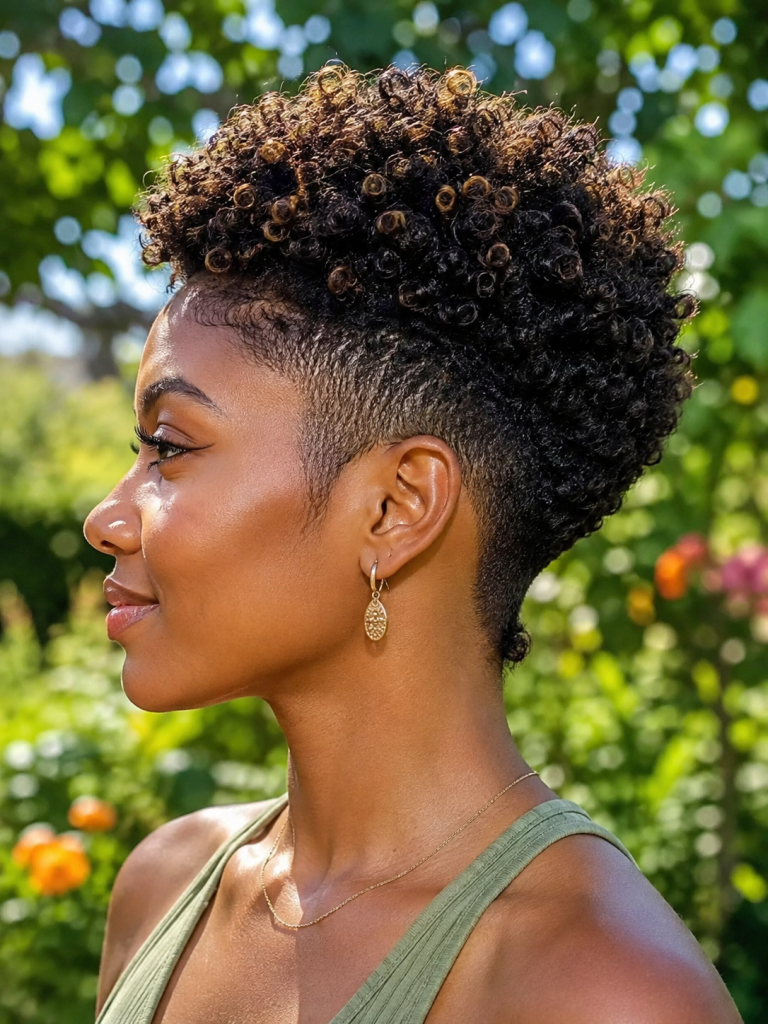
Closely tapered sides contrast sharply against a voluminous, textured top and a distinct length drop at the back. This version leans hardest into the mullet half of the hybrid. Ask for the fade to blend gradually rather than sitting in a hard line for the most wearable finish.
Soft Wolf Mullet with Face-Framing Layers

Gentler face-framing layers at the front soften the mullet’s typical boldness while keeping the signature short-front, long-back structure intact. This version suits people wanting the shape without the full edge. Texture powder at the crown keeps the front section from falling flat throughout the day.
Curly Wolf Mullet
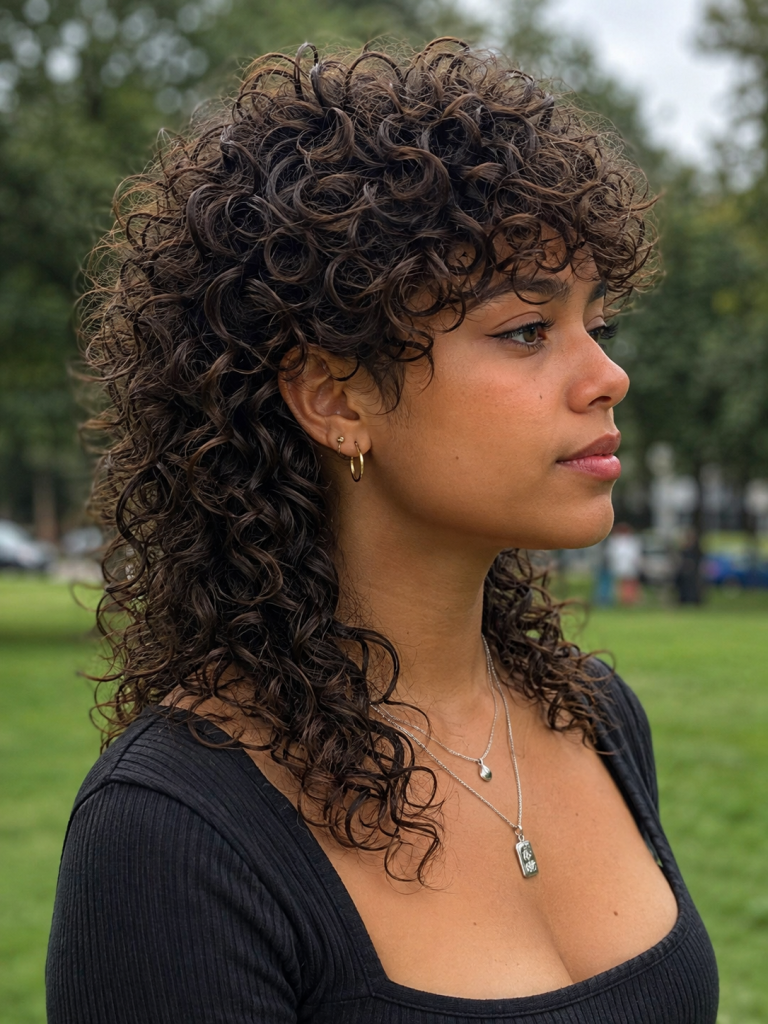
Natural curls at the crown create built-in volume up top, while the longer back section stretches out into looser, elongated coils. The contrast between tight curls up front and looser waves in back is part of what makes this version stand out. Diffuse the crown separately from the back for the clearest shape.
Short Front Wolf Mullet
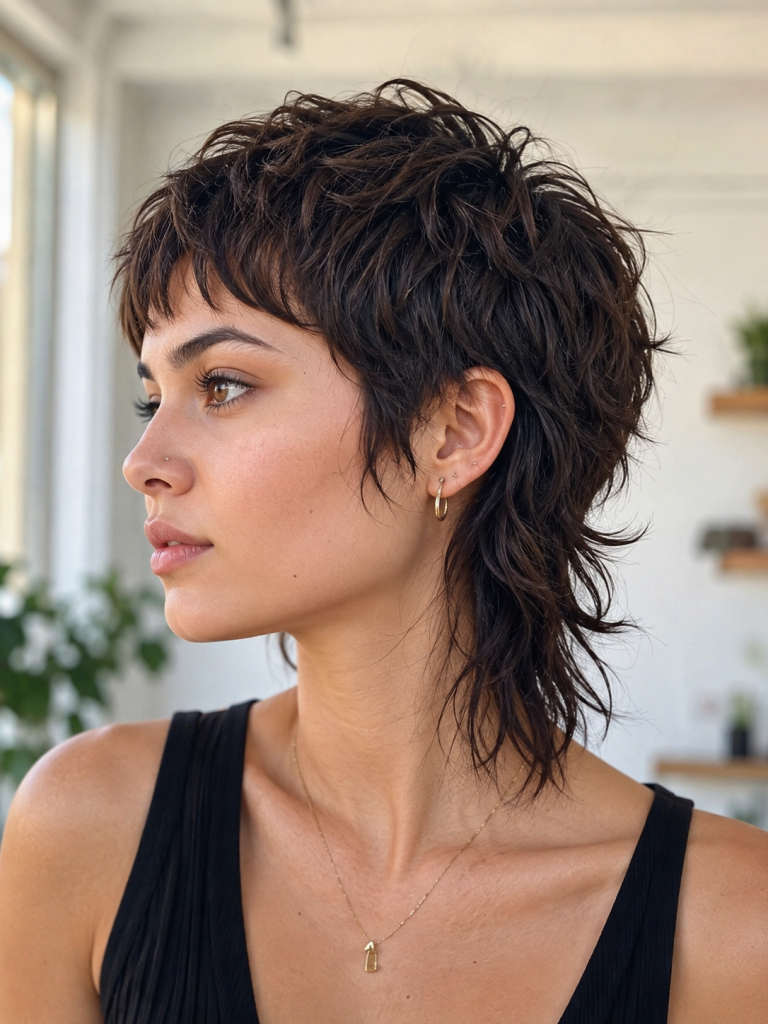
A pixie-length front and sides paired with a noticeably longer back creates one of the boldest versions of this cut. This shape works especially well for people who already wear short hair and want to experiment with added length in one specific area. Style the front forward and tousled for the classic wolf-mullet silhouette.
Wolf Mullet with Curtain Bangs
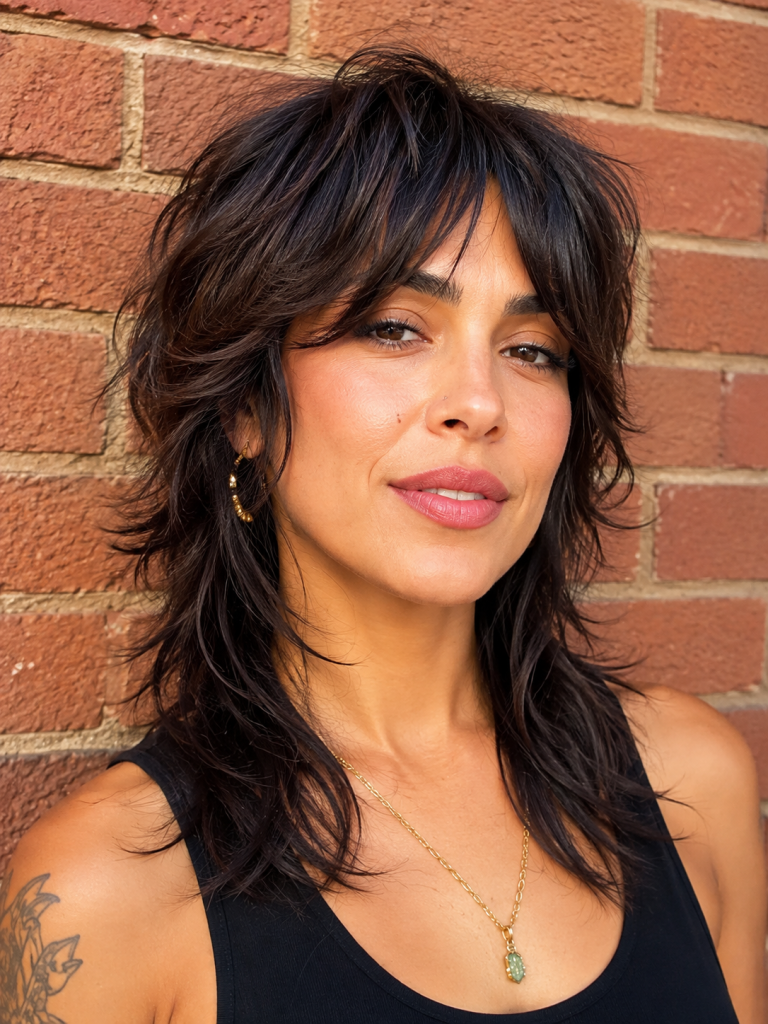
Curtain bangs blend into the shorter front section, softening the transition into the longer back layers. This pairing keeps the style wearable for everyday settings while still delivering the mullet’s signature contrast. The bangs should be cut long enough to sweep to either side without looking disconnected from the rest of the cut.
Medium-Length Wolf Mullet

Landing at the collarbone in back with shoulder-grazing length up front, this version tones down the drama while keeping the core mullet-wolf structure recognizable. It’s an approachable entry point for anyone new to the trend. This length also gives the back section enough weight to hold soft waves well.
Wolf Mullet with Choppy Bottleneck
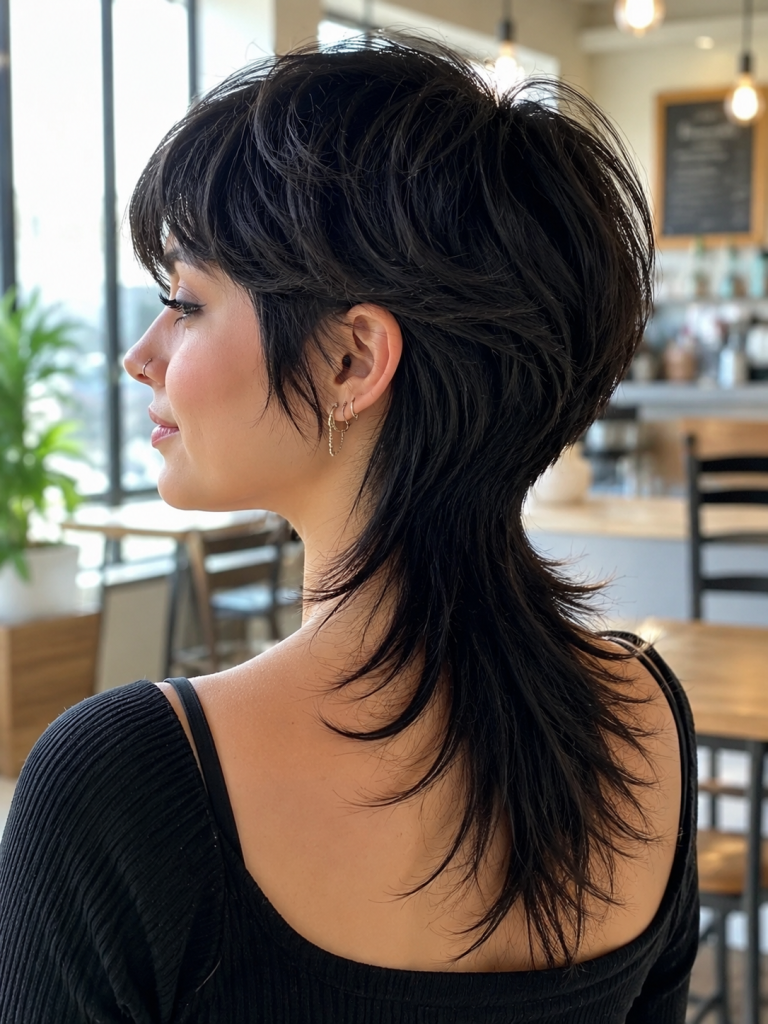
A pronounced “bottleneck” effect, where the hair narrows sharply at the nape before flaring out longer below, adds dramatic shape to the back section. This detail is what separates a true mullet wolf cut from a softer shag-mullet blend. Ask specifically for this narrowing if it’s the look you’re after.
Wolf Mullet with Undercut Nape
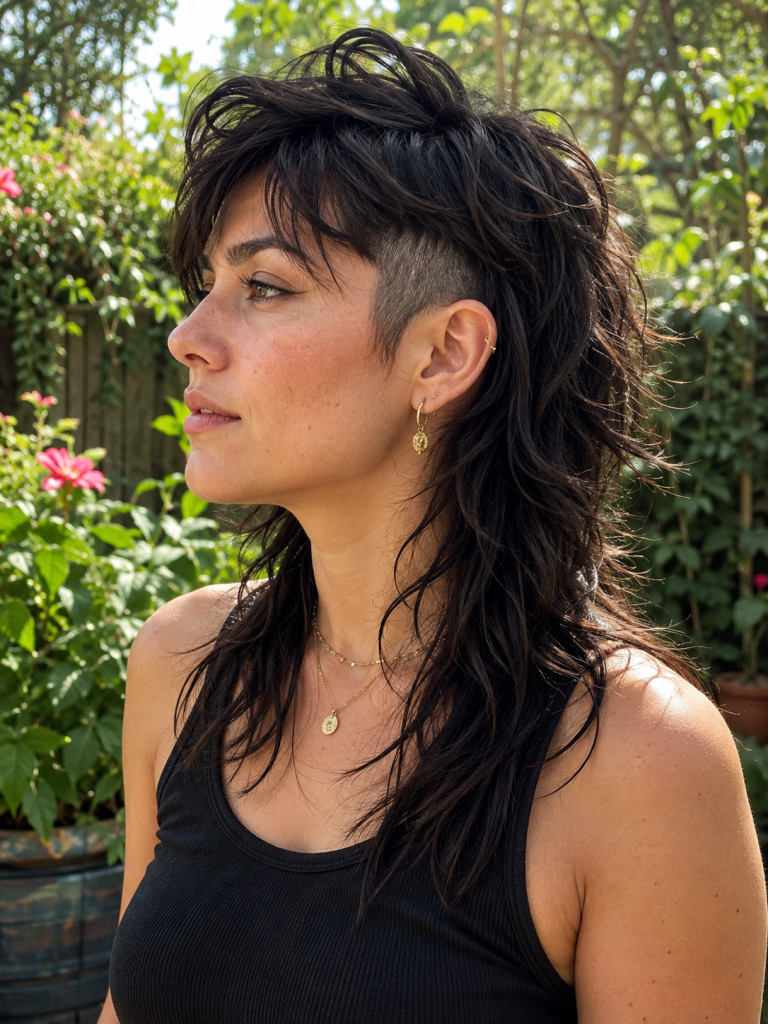
An undercut hidden beneath the longer back layers adds a hidden edge that only shows when hair is pulled up or back. The visible length stays intact from the front, keeping the everyday look more subtle. This detail works well for anyone wanting a surprise element built into their cut.
Wavy Wolf Mullet
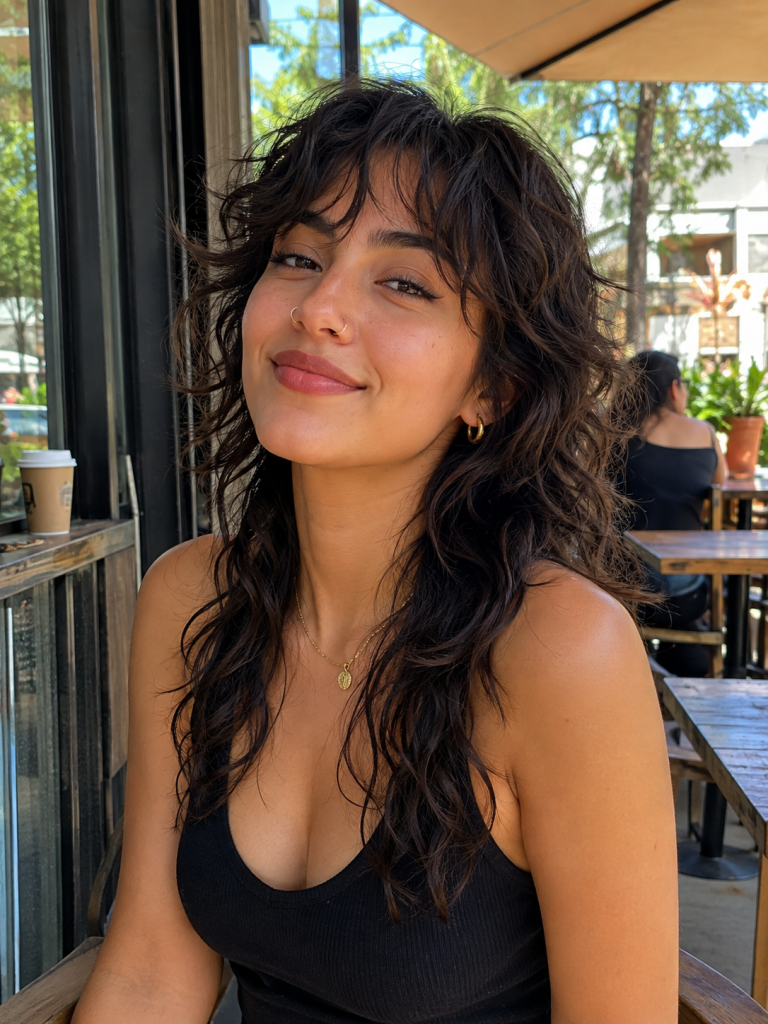
Loose waves throughout both the shorter crown and longer back sections soften the overall silhouette while keeping the mullet’s core shape visible. The waves help blend the transition between lengths more naturally than straight hair does. A texturizing spray enhances the wave pattern without weighing down the shorter top layers.
Wolf Mullet with Micro Bangs
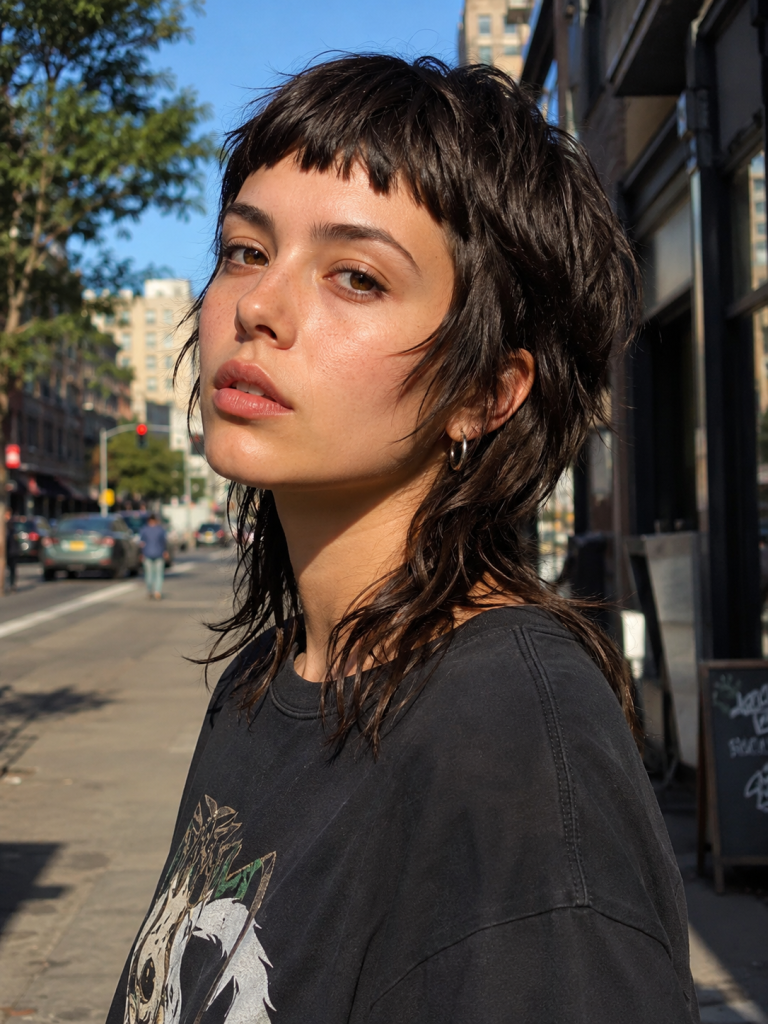
Short, blunt micro bangs add graphic contrast against the longer, shaggier back section, creating one of the boldest bang pairings for this cut. This combination suits people already drawn to statement, high-impact hairstyles. Keep the bangs crisp and well-maintained since they’re the focal point of this version.
Long Back Wolf Mullet
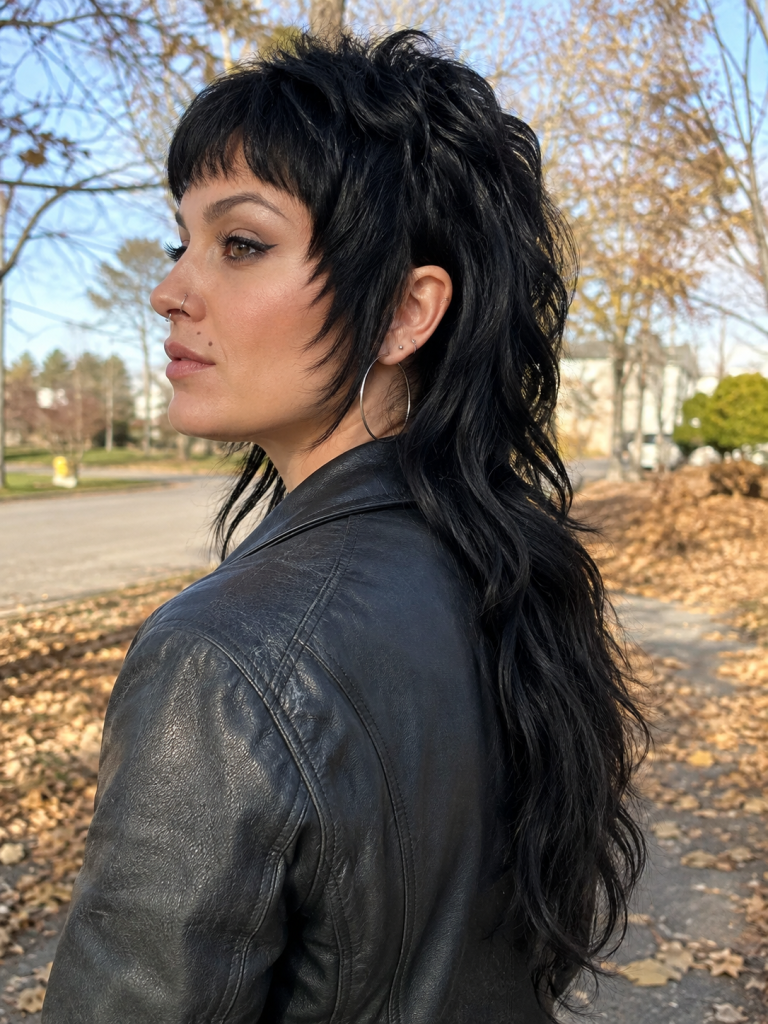
Pushing the back section well past the shoulders while keeping the front short creates maximum contrast between the two lengths. This dramatic version works best on thicker hair that can support the visual weight of the longer back. Regular trims on the back keep the ends from looking stringy against the fuller crown.
Wolf Mullet with Money Piece Highlights
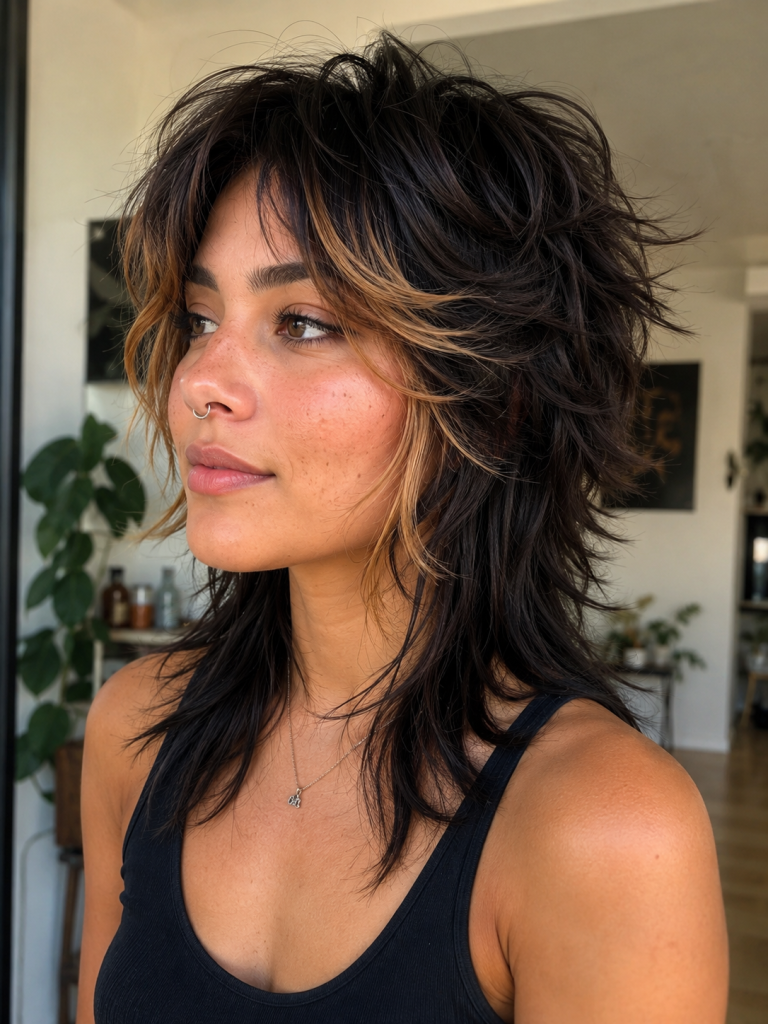
Lighter face-framing pieces around the shorter front section draw attention to the crown’s texture and volume. The contrast between light and dark strands emphasizes the layered structure this cut relies on. This pairing works especially well on darker base colors where the highlights can stand out clearly.
Wolf Mullet with Deep Side Part
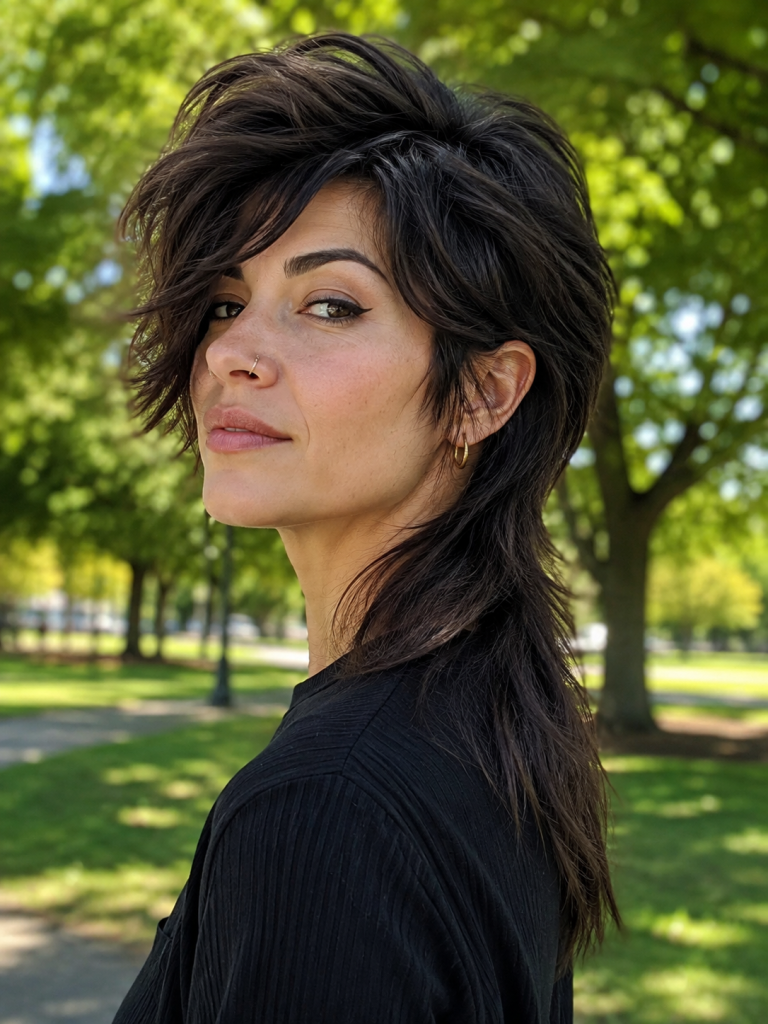
A deep side part pushes more volume to one side, adding asymmetry to the shorter front section while the back stays centered and long. This detail gives an otherwise symmetrical cut some visual interest. It’s an easy styling adjustment for anyone who already has this haircut.
Textured Wolf Mullet for Fine Hair
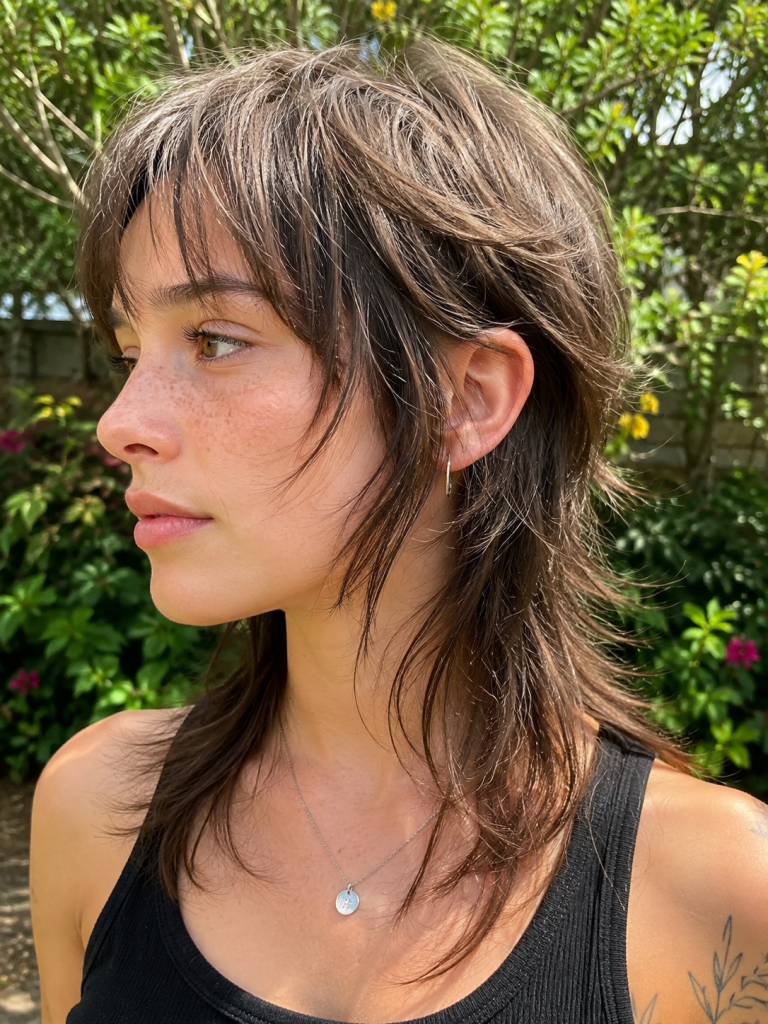
Lighter, thinner layering throughout prevents this cut from looking stringy on finer hair types, since a full mullet-wolf shape can sometimes overwhelm thin strands. The front stays shorter and more concentrated for lift while the back keeps a softer taper. A volumizing mousse helps the crown hold its shape through the day.
Wolf Mullet with Balayage
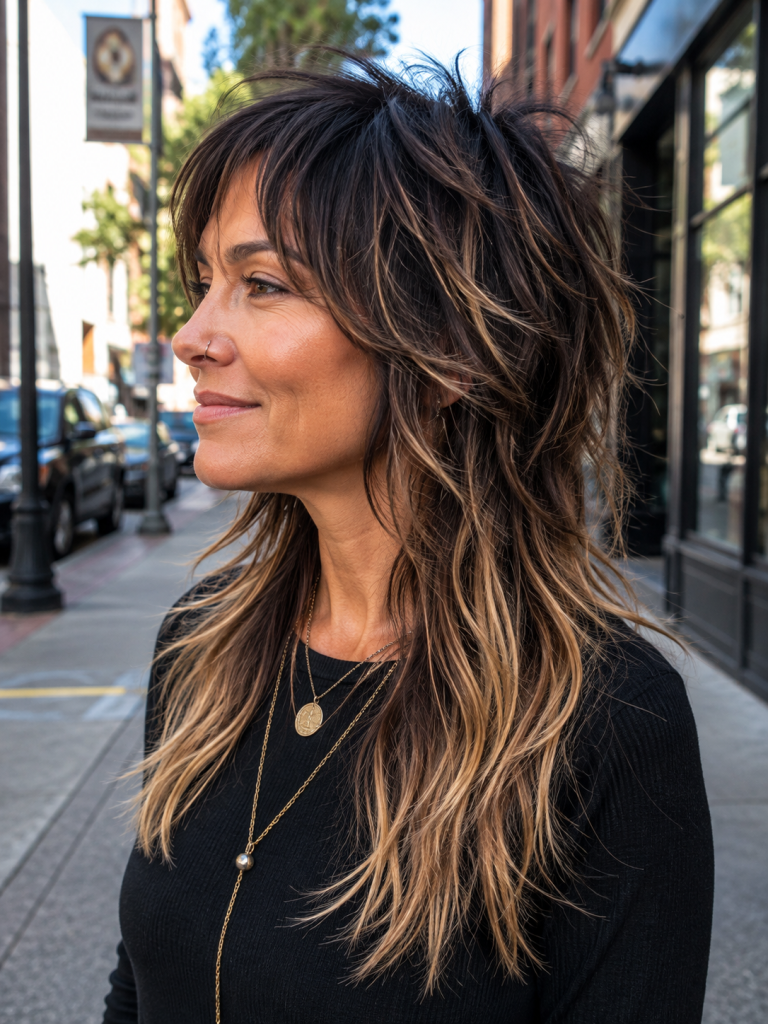
Hand-painted color that lightens gradually toward the ends highlights the dramatic length contrast between the shorter front and longer back sections. This coloring approach makes the mullet’s structure even more visible from behind. It works particularly well when the back section is left long enough to show real tonal movement.
Wolf Mullet Styled Slicked Back
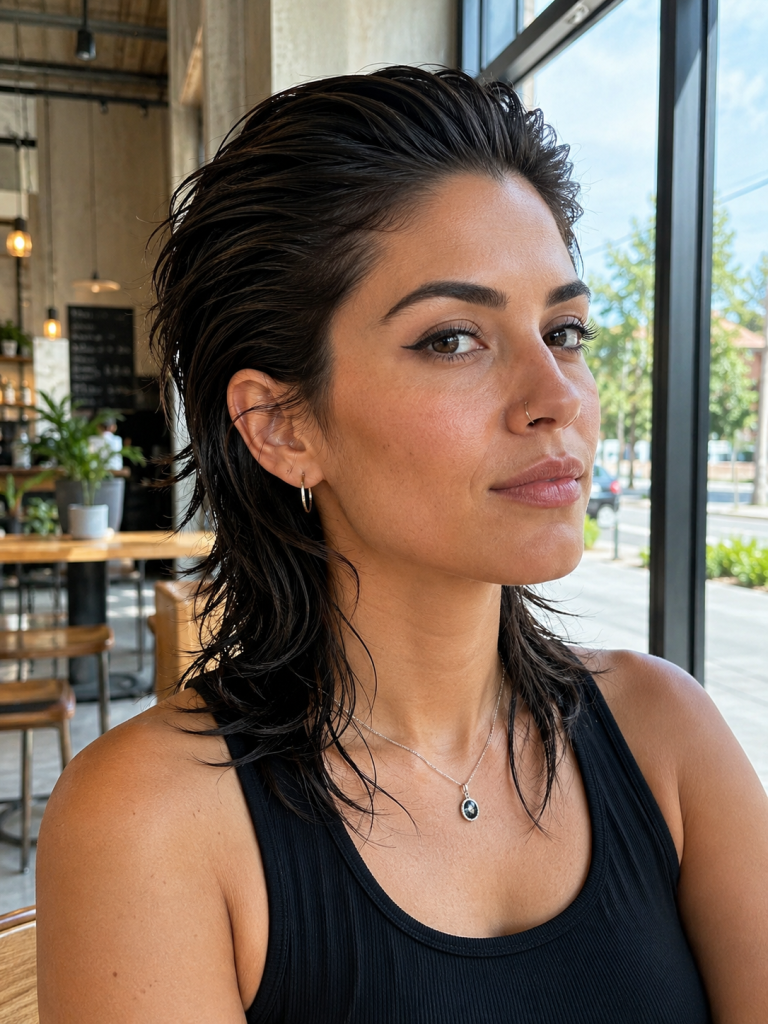
Pulling the shorter front section back with a lightweight gel while leaving the back section loose and textured creates a striking contrast between polished and undone. This styling choice works well for a night out or a more formal setting. Keep product light on the back to avoid weighing down the shaggier texture.
Wolf Mullet with Root Volume
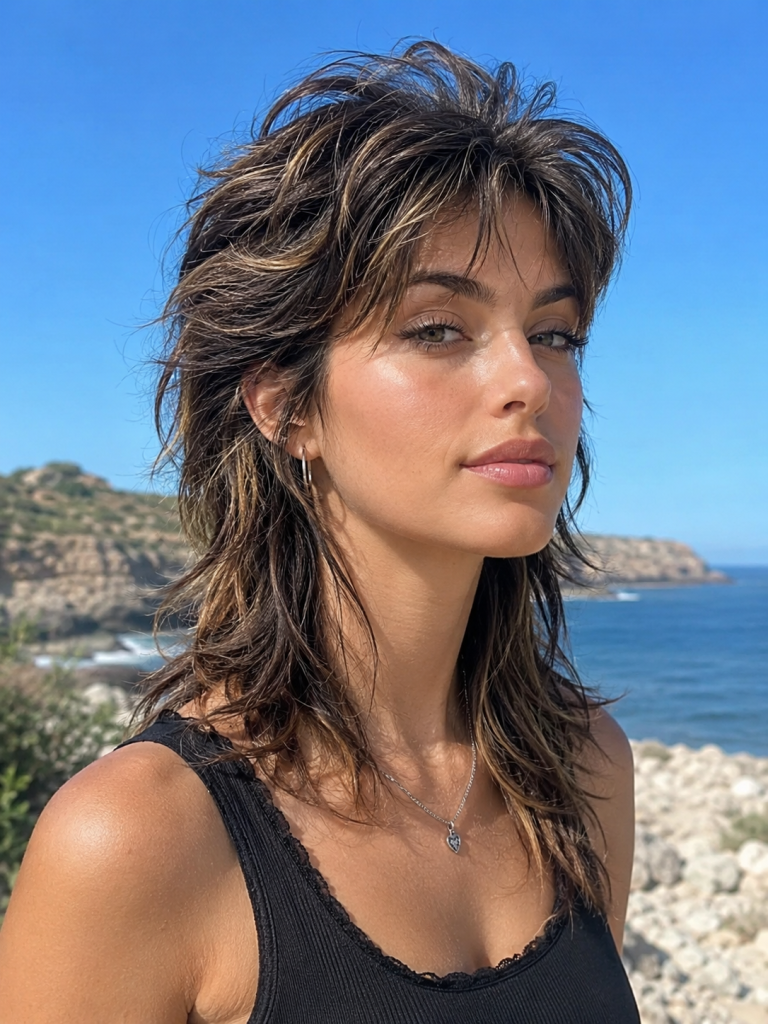
Extra layering concentrated at the root of the shorter front section gives this cut maximum lift exactly where mullet styles tend to fall flattest. The back stays looser and less structured by comparison. This version works especially well for people with finer or looser hair textures needing help holding shape up top.
Asymmetrical Wolf Mullet
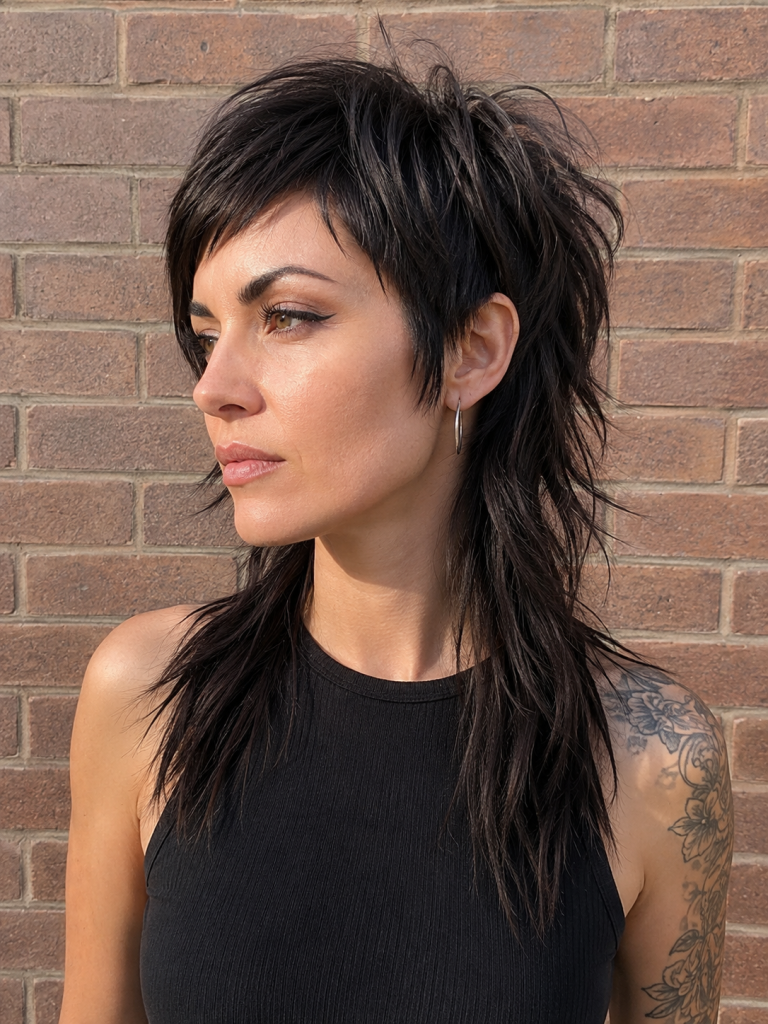
One side cut noticeably shorter than the other adds an unexpected edge to the front section while the back stays consistently long. This asymmetry makes an already bold cut feel even more intentional and current. It tends to suit people with naturally textured or wavy hair especially well.
Wolf Mullet with Center Part
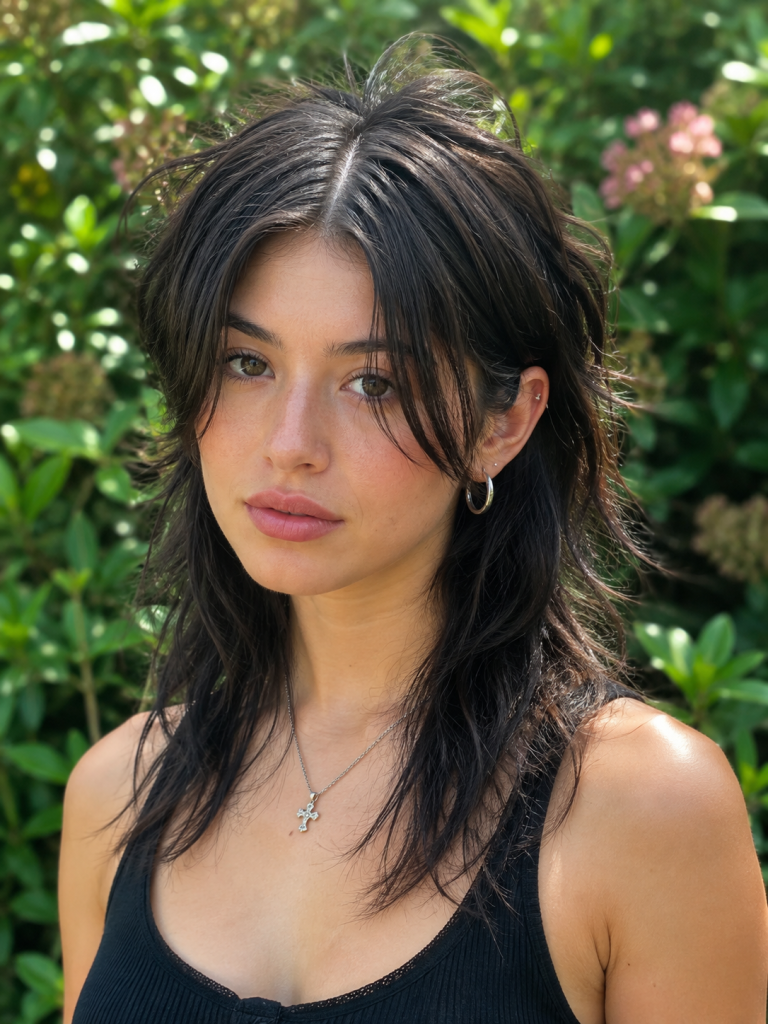
A clean center part contrasts against the deliberately messy texture through the crown and back, creating a push and pull between structure and chaos. This part style also distributes the shorter front section evenly across both sides of the face. It’s one of the more versatile ways to wear this cut day to day.
Wolf Mullet Styled with Sea Salt Spray
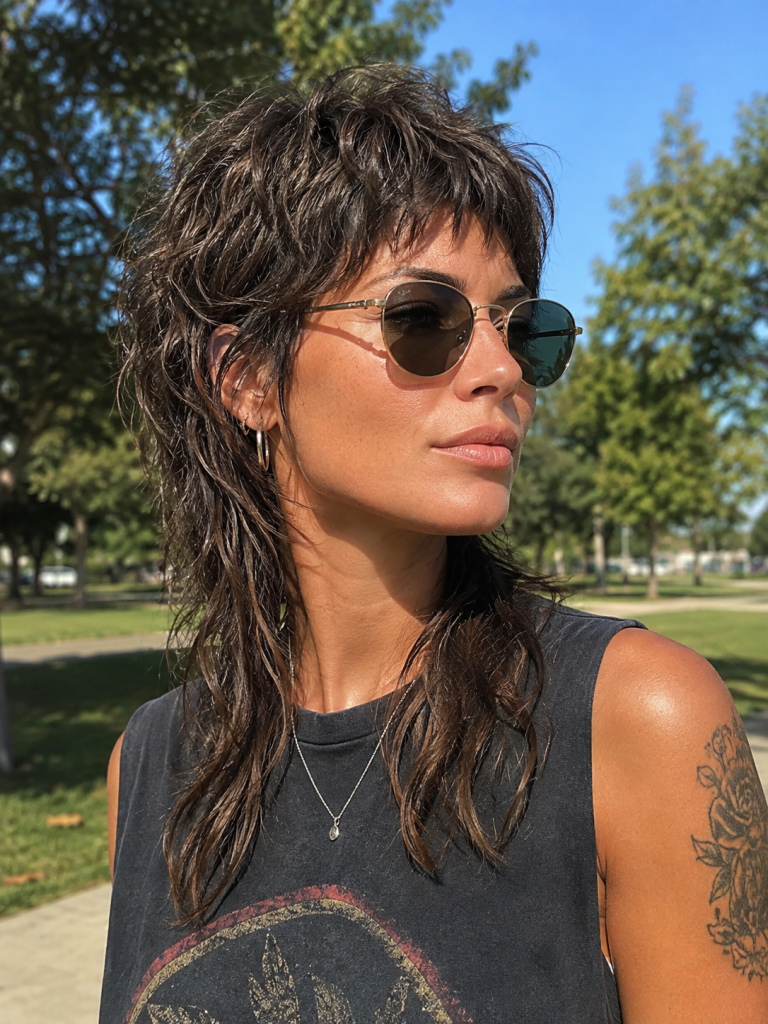
Working a sea salt spray through both the shorter crown and longer back sections brings out natural grit and texture without adding heaviness. This styling method keeps the piece-y, undone finish the wolf mullet depends on for its signature look. Scrunch gently at the ends rather than brushing through for the best texture.
